When
buying a motorcycle, one of the first technical terms you come across is engine
capacity. It plays a crucial role in defining how a bike performs, how much
fuel it consumes, and the kind of riding experience it offers. For beginners,
this concept can feel confusing at first, but once understood, it becomes a
powerful factor in making the right purchase decision.
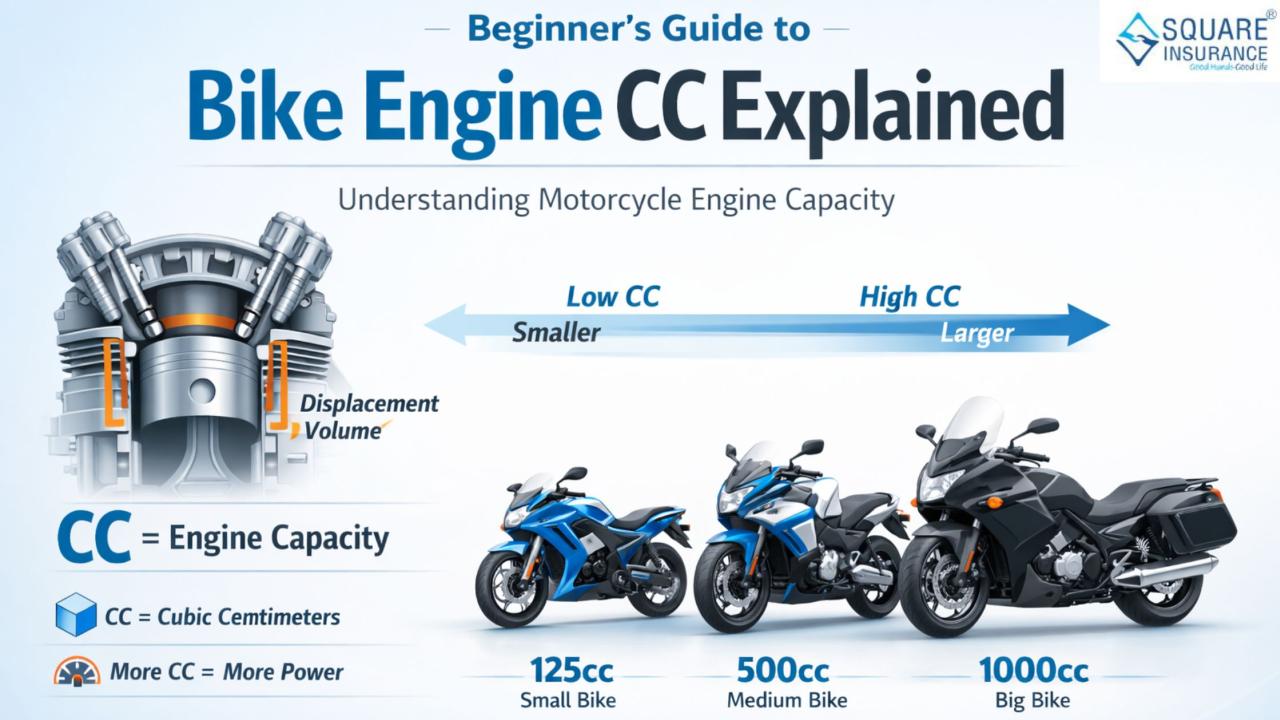
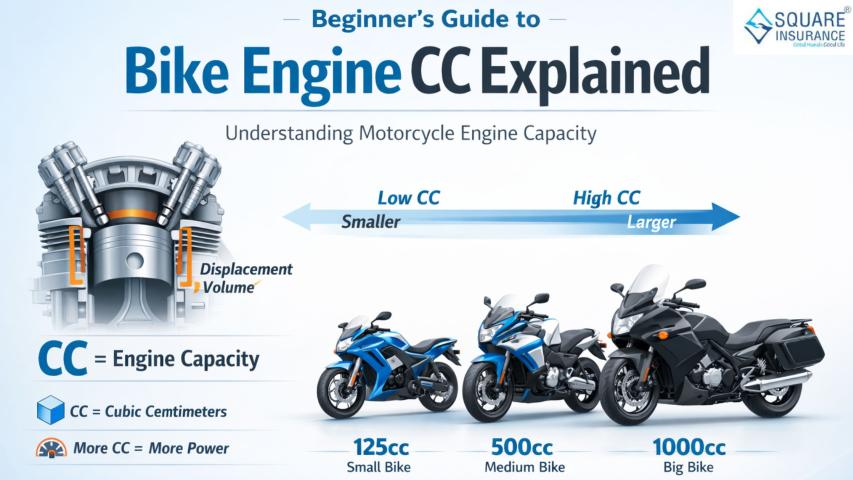
Understanding Cubic Capacity (CC) in a Bike is essential because it directly indicates the
size of the engine and its power potential. Simply put, CC refers to the volume
of air and fuel mixture a bike’s engine can compress to generate power
What Does CC Mean in a Bike?
CC, or
cubic capacity, measures the engine’s cylinder volume in cubic centimeters. It
tells you how much fuel-air mixture the engine can process in one cycle.
A higher
CC generally means:
- More power output
- Higher speed capability
- Stronger acceleration
On the
other hand, lower CC bikes:
- Are more fuel-efficient
- Easier to handle
- Ideal for daily commuting
For
example, a 100cc bike is designed for mileage and city use, while a 500cc bike
is built for performance and long rides.
How Engine CC Affects Bike Performance
Engine
capacity has a direct impact on how a bike behaves on the road. Here’s how:
1. Power and Speed
Higher CC
engines produce more power, allowing faster speeds and better highway
performance.
2. Acceleration
Bikes
with higher CC can accelerate quicker, which is useful for overtaking and
long-distance travel.
3. Fuel Efficiency
Lower CC
bikes consume less fuel, making them budget-friendly for daily use.
4. Engine Stress
High CC
engines work less hard at higher speeds, which can improve longevity when
maintained properly.
Types of Bikes Based on CC
Choosing
the right bike depends largely on your usage. Here’s a breakdown:
1. Low CC Bikes (100cc–125cc)
These
bikes are perfect for beginners and daily commuters. They are lightweight, easy
to control, and fuel-efficient.
2. Mid-Range CC Bikes (150cc–250cc)
These
offer a balance between power and mileage. Suitable for both city rides and
occasional highway trips.
3. High CC Bikes (300cc and above)
Designed
for enthusiasts and long-distance riders. These bikes provide superior performance,
speed, and comfort
Why CC Matters When Buying Bike Insurance
Engine
capacity doesn’t just affect performance—it also impacts your insurance
premium.
Here’s
how:
- Higher CC bikes usually have
higher insurance premiums
- Repair costs for high CC
bikes are more expensive
- Risk factor increases with
speed and performance
Insurance
providers consider CC as a key factor while calculating risk and premium rates.
So, choosing the right CC also helps you manage long-term ownership costs.
Choosing the Right CC Bike for Your Needs
Before
selecting a bike, ask yourself these questions:
1. What is your primary use?
- Daily commuting →
100cc–125cc
- Mixed use → 150cc–200cc
- Touring or performance →
250cc+
2. What is your budget?
Higher CC
bikes cost more upfront and have higher maintenance expenses.
3. Are you a beginner or experienced rider?
Beginners
should start with lower CC bikes for better control and safety.
4. Fuel cost considerations
If
mileage is your priority, go for a lower CC bike.
Common Myths About Engine CC
Myth 1: Higher CC Always Means Better Bike
Not
necessarily. It depends on your needs. A 100cc bike can be better for city use
than a 500cc bike.
Myth 2: Low CC Bikes Are Weak
Modern
low CC bikes are designed efficiently and can handle daily riding very well.
Myth 3: High CC Bikes Are Only for Speed
They also
offer better stability, comfort, and long-distance capability
Maintenance Differences Based on CC
Engine
capacity also affects maintenance:
- Low CC bikes: Lower service
cost, simple parts
- Mid CC bikes: Moderate
maintenance
- High CC bikes: Higher
service cost, specialized care
Regular
servicing, oil changes, and proper riding habits are important regardless of
CC.
CC vs Mileage: What Should You Prioritize?
This is a
common dilemma.
- If you ride daily in traffic
→ prioritize mileage (low CC)
- If you travel long distances
→ prioritize performance (higher CC)
The key
is balance. Don’t choose a high CC bike if you don’t need that power—it will
only increase your costs unnecessarily.
Role of CC in Resale Value
Engine
capacity also influences resale:
- Popular mid-range bikes
often have better resale value
- Extremely high CC bikes may
have a limited buyer base
- Low CC bikes sell easily due
to high demand
Choosing
a practical CC ensures better returns when you decide to sell
Frequently Asked Questions (FAQs)
1. What
is CC in a bike in simple terms?
CC refers to the engine size or the volume of the cylinder that determines how
much power the bike can produce.
2. Is a
higher CC bike better for beginners?
No, beginners should start with lower CC bikes as they are easier to handle and
safer.
3. Does
higher CC mean more fuel consumption?
Yes, generally higher CC bikes consume more fuel compared to lower CC bikes.
4. Which
CC bike is best for city riding?
Bikes between 100cc to 125cc are ideal for city commuting.
5. Does
CC affect insurance premium?
Yes, higher CC bikes usually have higher insurance premiums due to increased
risk and repair costs.
6. Can I
use a high CC bike for daily use?
Yes, but it may not be cost-effective due to fuel consumption and maintenance
costs.
Conclusion
Choosing the right engine capacity is not about going for the highest number but about selecting what suits your life>
Whether you are buying a new bike or upgrading your current one, always consider how CC impacts both your riding and financial planning. Additionally, selecting the right insurance provider like Square Insurance can help you get the best coverage tailored to your bike’s engine capacity and usage, ensuring complete peace of mind on the road.