For many startups and small businesses, online visibility is no longer a simple question of building a website and waiting to be found.
A company might have a homepage, a few social profiles, maybe a Google Business Profile, and some published content, yet still struggle to appear in the right places when potential customers are actively looking. The web is crowded, attention is fragmented, and discovery often happens through many smaller paths rather than one big channel.
That is one reason structured business listings still matter.
A lot of people hear the word “directory” and think of outdated link pages that add no real value. That reputation came from low-quality sites that were overloaded with weak submissions and poor organization. But that does not mean every directory is useless. A well-organized business listing can still serve a practical purpose, especially for companies that want to improve discoverability across the web.
The key difference is structure.
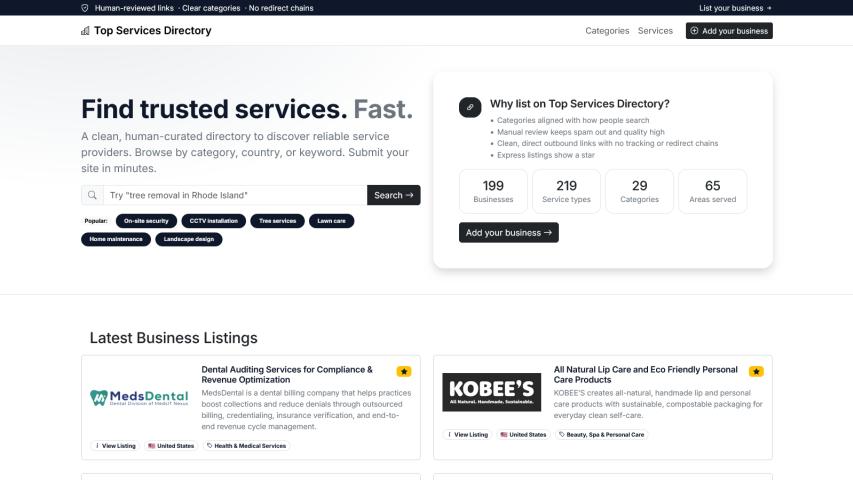
When a business is listed clearly under the right category, with a readable description, accurate website details, and a focused presentation of what it offers, it becomes easier for users to understand it quickly. That may sound simple, but simplicity is part of the value. People often do not arrive with perfect brand awareness. They search by need, service, niche, or location. Structured listings help bridge that gap between what a company does and how someone searches for it.
This matters even more for smaller brands.
Large companies can rely on existing recognition. Smaller businesses usually cannot. They need more entry points online. They need places where their name, service, and positioning can appear in a format that supports discovery. A strong business listing does not replace a website or content strategy, but it can complement both. It gives the company another indexed presence, another branded citation point, and another place where its offering is explained in a focused way.
There is also a trust angle that people often overlook.
When businesses appear consistently across multiple credible web properties, they can feel more established. That does not happen just because a listing exists. It depends on how complete, accurate, and relevant that listing is. A thin page with no context adds little. But a structured listing with a clear title, strong summary, proper category placement, and direct website information can help reinforce legitimacy.
In practical terms, that means directory visibility is less about chasing “more links” and more about improving digital clarity.
Many founders spend time polishing their homepage copy, product pages, and social presence, yet ignore how their business appears outside their own domain. That external presentation still matters. Someone may discover a business through search, a curated list, a niche platform, or a category-based directory before ever landing on the company’s site. If the first impression is vague, incomplete, or inconsistent, that opportunity can be lost.
This is especially relevant for service businesses, consultants, agencies, software providers, and niche websites. These businesses often need to explain what they do in a concise way, and they benefit from being placed in environments where users are already browsing by topic or business type.
That is where a curated directory can still make sense.
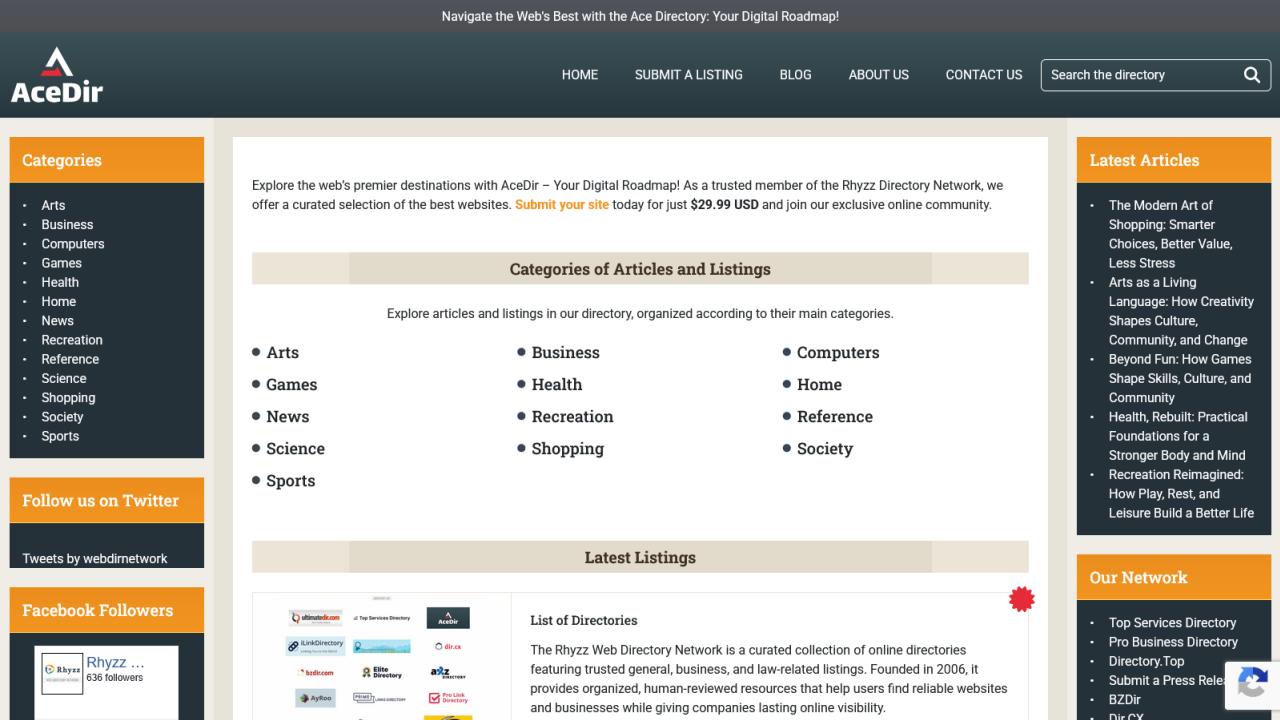
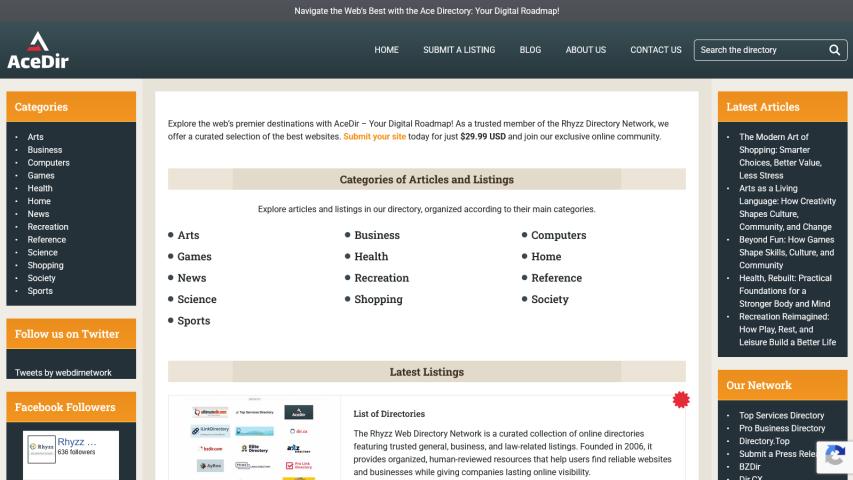
A platform like AceDir is one example of a directory model that gives businesses another place to publish their details in a structured format. The value is not in treating a listing as a magic growth hack. The value is in using it as one small but sensible part of a broader visibility strategy.
That broader strategy might include:
- A clear website
- Consistent business information
- Content publishing
- Search optimization
- Profile pages on relevant platforms
- And selected directory placements where the presentation is organized and credible
Used that way, a business listing becomes part of a visibility network rather than a standalone tactic.
The strongest digital presence usually comes from accumulation. Not noise. Not random posting. Not trying every trend. Accumulation of clear signals, consistent information, and discoverable touchpoints.
That is why structured listings still matter.
They are not the whole strategy. But for businesses trying to be found in a web that is increasingly fragmented, they can still play a useful role.