The USD 1,170.8 Million Energy Pulse: Deconstructing the India Alkaline Battery Market
The portable power landscape in India is undergoing a significant transition as consumer demand shifts from legacy carbon-zinc batteries toward high-performance alkaline alternatives. Driven by the proliferation of high-drain electronic devices, a booming toy industry, and a rapidly expanding middle class, the India alkaline battery market has become a cornerstone of the domestic consumer electronics supply chain. For manufacturers and distributors, this sector offers a resilient growth opportunity centered on superior energy density and longer shelf-life.
Valuation & Data Projections
The financial trajectory of the india alkaline battery market indicates steady and sustained expansion over the next decade. The market reached a valuation of USD 691.5 Million in 2025. Looking forward, the sector is projected to scale significantly, reaching a forecasted value of USD 1,170.8 Million by 2034. This growth represents a compound annual growth rate (CAGR) of 5.76% during the forecast period from 2026 to 2034, reflecting the deepening penetration of battery-operated gadgets across urban and semi-urban India.
Evaluate Market Potential Before You Invest – Get the Report Sample: https://www.imarcgroup.com/india-plant-based-milk-market/requestsample
Market Dynamics: Primary Growth Drivers
The expansion toward the USD 1,170 Million milestone is being propelled by the changing nature of consumer gadgets and household requirements:
- Proliferation of High-Drain Devices: Modern household electronics including digital cameras, high-end toys, and wireless gaming controllers require consistent, high-intensity power. Unlike traditional batteries, alkaline variants provide the necessary energy density to support these devices, making them the default choice for modern consumers.
- Expansion of the Smart Home Ecosystem: The rise of Internet of Things (IoT) devices, such as smart door locks, sensors, and automated remotes, has created a continuous demand for reliable portable power. The long shelf-life of alkaline batteries ensures these critical devices remain operational over extended periods.
- Growth in the Organized Retail Sector: The rapid scale-up of supermarkets, hypermarkets, and e-commerce platforms has drastically improved product visibility and accessibility. Bulk-buying trends in urban centers are significantly boosting volume sales for multi-pack battery offerings.
- Rising Disposable Incomes: As purchasing power increases, Indian consumers are moving away from cheaper, low-performing battery types and opting for "value-for-money" alkaline options that offer a longer lifespan and prevent device damage from leakage.
- Urbanization and Life> The increasing number of nuclear families and the modernization of households in Tier-1 and Tier-2 cities are driving the adoption of battery-operated personal care and home utility products.
Key Industry Trends Reshaping the Market
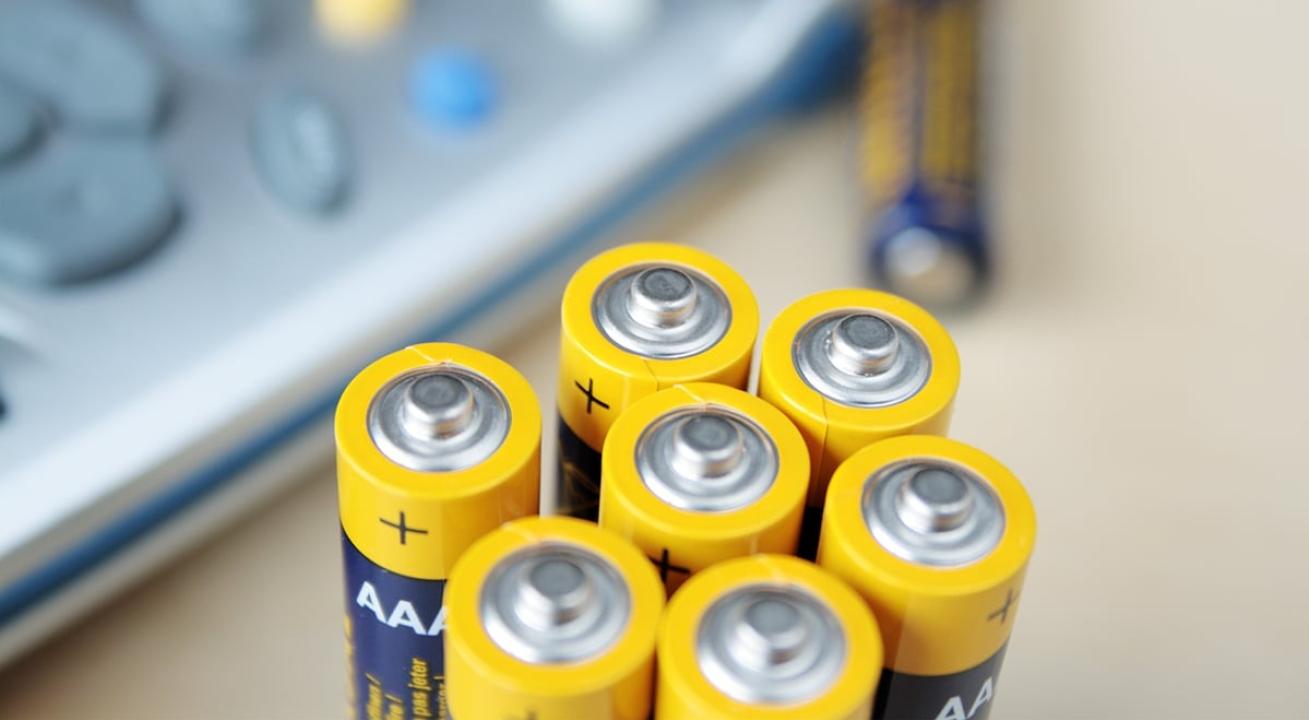
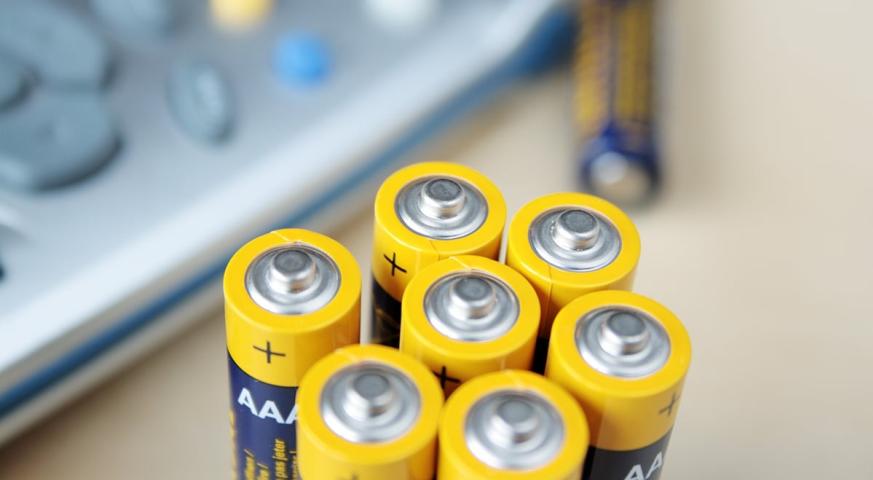
- The Dominance of AA and AAA Sizes: These standardized formats continue to account for the vast majority of sales, as they remain the universal power source for everything from television remotes to blood pressure monitors and children's toys.
- Sustainable and Leak-Proof Innovations: Manufacturers are pivoting toward "mercury-free" and "cadmium-free" formulations to align with global environmental standards. Advanced anti-leakage technology is being heavily marketed to protect expensive consumer electronics from corrosion.
- Strategic Packaging and Multi-Packs: To capture the value-conscious Indian demographic, brands are introducing diverse packaging formats, including family packs and "buy one get one" offers, which are particularly successful in the modern retail and e-commerce segments.
- Shift Toward Rechargeable Alkaline Variants: While primary batteries lead in volume, there is an emerging niche for rechargeable alkaline batteries among eco-conscious consumers looking for a balance between performance and waste reduction.
Structural Market Segmentation
Understanding where capital is currently concentrated requires analyzing the core segments of the market:
- By Product Type: The market is categorized into Primary Batteries and Rechargeable Batteries. Primary batteries remain the dominant segment due to their convenience and universal application in low-to-mid-drain devices.
- By Battery Size: Divided into AA, AAA, 9-Volt, and Others. AA and AAA batteries represent the bulk of the market value, supported by their ubiquitous use in household remotes and portable electronics.
- By Application: Major segments include Remote Controls, Consumer Electronics, Toys, and Others. The toy segment is currently witnessing aggressive growth due to the increasing sophistication of battery-operated children’s products.
- By Distribution Channel: Sales flow through Supermarkets and Hypermarkets, Convenience Stores, Online Stores, and Others. While local convenience stores drive immediate "necessity" purchases, online stores are recording high growth for bulk-pack orders.
- By Region: North India and West India act as the primary revenue hubs, driven by high urban density and a concentrated presence of organized retail chains in cities like Delhi-NCR and Mumbai.
Competitive Landscape & Strategic Outlook
The competitive ecosystem is a mix of global battery giants and established domestic players. Key players dictating the market include Duracell, Energizer, Panasonic, Sony, and Nippo. Manufacturers are increasingly focusing on "power-seal" technology and high-power density formulations to differentiate their products in a price-sensitive market. Strategic developments highlight a move toward localized manufacturing and expanding distribution networks into emerging semi-urban corridors.
Ask Analyst for Custom Research Report
Frequently Asked Questions (FAQs)
- What is the current size and projected growth of the India alkaline battery market?
The market was valued at USD 691.5 Million in 2025 and is projected to reach USD 1,170.8 Million by 2034, registering a CAGR of 5.76% during the forecast period.
- Which battery size is the most widely used in India?
AA and AAA batteries are the most popular formats, driven by their universal compatibility with household remotes, toys, and small consumer electronics.
- Why are consumers switching from carbon-zinc to alkaline batteries?
Alkaline batteries offer significantly higher energy density, a much longer shelf-life (often up to 10 years), and better resistance to leakage, making them safer and more efficient for expensive electronic devices.
- How is the e-commerce sector impacting battery sales?
Online stores are facilitating bulk purchases and offering competitive pricing, allowing consumers to stock up on multi-packs, which has significantly increased the average transaction volume.
- What are the major challenges for the market?
The primary challenges include the presence of counterfeit or low-quality local brands and the environmental concerns regarding battery disposal, which is leading to stricter regulations on materials.
Strategic Insight & Verdict
The 5.76% CAGR defining the India alkaline battery sector signals a market that is maturing in sync with India's digital and life>
Tarang, Digital Insights Specialist at IMARC Group: https://www.linkedin.com/in/tarang-chauhan-31a82b265
Verified Data Source: IMARC Group