Market Research Overview Of The Confectionery Industry
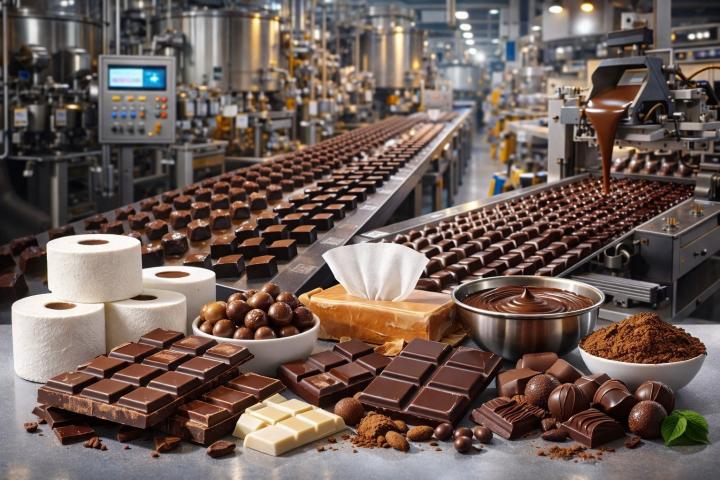
The confectionery landscape is currently experiencing a
major shift, moving away from traditional sweets toward premium,
health-conscious, and artisanal products. Organizational data from the food and
beverage sector by IMARC Group confirms that rising disposable incomes,
aggressive quick-commerce delivery expansion, and the deep integration of
gifting traditions are steadily increasing the overall financial value and
production capacity of this industry.
Market Size And Financial Growth
To clearly understand the economic direction of this sector,
it is important to look at the base financial numbers. Every new product
launch, artisanal boutique, and rapid delivery integration aims to capture a
larger share of the growing chocolate market in
india.
The core growth numbers defining this market, according to
IMARC Group data, are:
- Current
Market Value (2025): The market reached a solid base value of USD
3.05 Billion.
- Projected
Market Value (2034): Driven by premiumization and changing
consumption patterns, this number is expected to reach USD 5.62 Billion.
- Growth
Rate (CAGR): The industry is set to show a strong compound annual
growth rate of 7.01% during the 2026-2034 forecast period.
Key Growth Drivers Expanding The Market
The steady financial growth of this market is supported by
several major demand drivers across different consumer segments:
- Rising Middle-Class Purchasing Power: Economic development and employment growth are directly enabling consumers to afford discretionary food products. The aspiration for quality life>
- Expansion
Of Organized Retail And Quick Commerce: The rapid growth of
supermarkets, hypermarkets, and 10-minute delivery services is drastically
improving product accessibility. During peak occasions like Valentine's
Day, quick commerce platforms such as Swiggy Instamart reported delivery
rates of up to 581 chocolates per minute, highlighting how digital
platforms are capturing impulse purchases.
- Shift
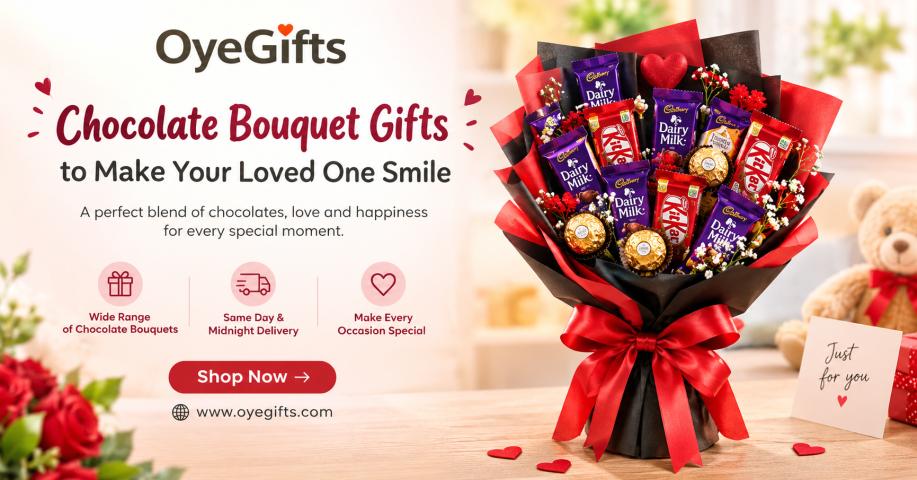
In Festive Gifting Culture: There is a fundamental change in
traditional Indian gifting. Packaged chocolates are increasingly replacing
traditional sweets during major festivals like Diwali and Raksha Bandhan.
In recent sales data, online searches for chocolate gift packs nearly
tripled compared to traditional sweets.
- Western Diet Adoption: A highly youthful demographic with exposure to international life>
👉Evaluate Market Potential Before You Invest – Get the
Report Sample: https://www.imarcgroup.com/india-chocolate-market/requestsample
Emerging Industry Trends And Innovations
The market is currently seeing new trends that are changing
how products are formulated and presented:
- Rise
Of Premium And Artisanal Chocolates: Consumers are seeking
superior taste profiles and ethically sourced products. Bean-to-bar
chocolate makers are gaining major traction in metropolitan cities. For
instance, Manam Chocolate reported a 125% year-on-year growth for its
experiential boutique store, indicating strong demand for craft chocolate.
- Health
And Wellness Integration: Health awareness is reshaping the
chocolate landscape. There is an increasing demand for products with
reduced sugar, higher cocoa content, and functional ingredients. Brands
are launching dark chocolate variants enriched with superfoods, probiotics,
and Ayurvedic ingredients to cater to fitness-oriented buyers.
- Localization
Of International Formulations: Global players are customizing
their products to suit local tastes and baking requirements. For example,
Cargill recently unveiled specialized block chocolates and chips tailored
explicitly for the Indian baking industry, while other brands are integrating
traditional flavors like cardamom and saffron with premium cocoa.
Market Segmentation Analysis
When analyzing how sales and production volume flow through
the sector, specific categories show clear dominance:
- By
Type: Milk Chocolate dominates the market, holding a 67%
share in 2025. This massive volume is driven by its universal
appeal, creamy taste profile, and extensive availability across all price
points.
- By
Product Form: Moulded chocolates secure a 58% market
share. Their dominance relies on aesthetic appeal and the ability to
customize designs, making them highly visual and preferred for festive
occasions.
- By
Packaging Type: Boxed Chocolate represents exactly half of the
market volume (50%), favored heavily due to the strong corporate and
festive gifting culture, where boxed presentations are viewed as
sophisticated and premium.
- By
Distribution Channel: Retail Sales act as the primary engine with
a 78% share, supported by the extensive, pan-India network of
supermarkets, convenience stores, and traditional neighborhood retail
outlets.
- By
Region: North India commands the leading geographic share
at 38%, supported heavily by higher disposable incomes, concentrated
urban populations in the Delhi-NCR corridor, and robust festive
consumption in states like Punjab and Haryana.
Competitive Landscape Analysis
The competitive environment shows moderate consolidation. It
includes a mix of powerful multinational corporations, established domestic
dairy cooperatives, and emerging artisanal producers. Leading companies
leverage deep distribution networks and continuous product innovation to
maintain market dominance and combat the raw material cost fluctuations of
cocoa.
Major players driving the market volume include Amul
(GCMMF), DS Group, Ferrero India Private Limited, Hershey India Private
Limited, ITC Limited, Lotus Chocolate Co. Ltd., Mars International India
Private Limited, Mondelez India Foods Private Limited, and Nestlé India Ltd.
The competition centers on maintaining strong brand recall, expanding
cold-chain infrastructure to rural areas, and successfully capturing the
high-margin premium gifting segment.
👉Ask
Analyst for Custom Research Report
Frequently Asked Questions
Q1: What is the current quantitative valuation of the
sector?
According to IMARC Group data, the market reached a
valuation of USD 3.05 Billion in 2025 and is projected to expand to USD 5.62
Billion by 2034.
Q2: What is the projected market growth rate?
The market is forecast to grow at a steady CAGR of 7.01%
during the 2026-2034 period.
Q3: Which product category commands the highest consumer
demand?
Milk chocolate acts as the primary volume driver, securing a
67% market share due to its universal taste appeal across all age groups.
Q4: How is the gifting culture impacting product formats?
The strong festive and corporate gifting culture heavily
drives the demand for Boxed and Moulded chocolates, which account for 50% and
58% of their respective segments due to their premium visual appeal.
Q5: What are the main challenges facing manufacturers?
Major challenges include the severe price volatility of raw
cocoa, the need to build reliable cold-chain logistics in rural areas to
prevent melting, and shifting consumer attitudes toward high-sugar foods.
Expert Insight
The structural changes in the confectionery sector highlight
a massive transition from basic sweet snacks to highly premium,
health-conscious indulgences. The continued financial expansion of the market,
as tracked by IMARC Group, depends heavily on balancing the high-volume demand
for everyday milk chocolate with the specialized, low-sugar requirements of the
modern urban consumer. Manufacturers that successfully secure cold-chain
distribution networks while scaling their premium boxed assortments will securely
capture the highest financial returns in this USD 5.6 Billion industry over the
coming decade.
Tarang, Digital Insights Specialist at IMARC Group: https://www.linkedin.com/in/tarang-chauhan-31a82b265
Verified Data Source: IMARC Group