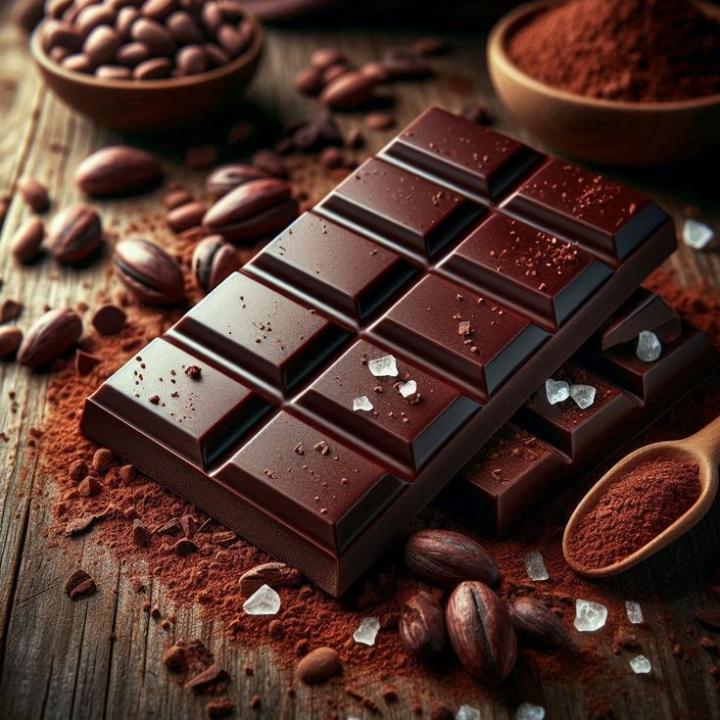
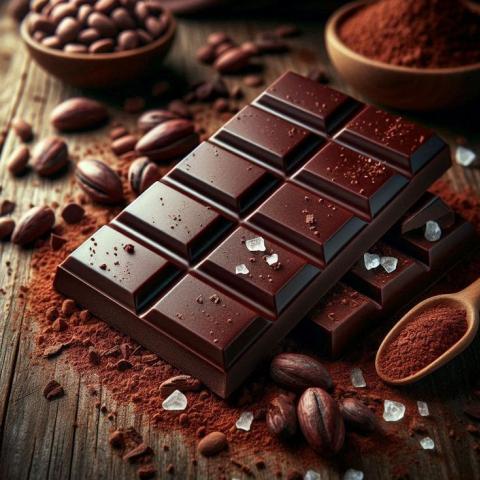
Craft chocolate has transformed the way we experience one of the world’s most beloved treats. Unlike mass-produced chocolates, bean-to-bar production focuses on quality, transparency, and craftsmanship at every stage. If you’ve ever wondered what happens inside a professional chocolate workshop, this guide walks you through the complete process followed in a typical bean to bar chocolate program—from sourcing raw cacao beans to creating beautifully finished bars.
What Is Bean-to-Bar Chocolate Making?
Bean-to-bar chocolate making is a hands-on process where chocolatiers control every step of production, starting from raw cacao beans instead of pre-made chocolate. This method ensures better flavor development, ethical sourcing, and creative freedom. It’s often taught in structured courses designed for both hobbyists and professionals, including chocolate making for beginners who want to understand the art deeply.
Step 1: Sourcing Quality Cacao Beans
Every great chocolate starts with high-quality cacao beans. In a bean-to-bar program, students are introduced to different cacao origins such as Ecuador, Madagascar, or Ghana. Each origin has its own flavor profile—ranging from fruity and floral to nutty and earthy.
Participants learn how to evaluate beans based on size, aroma, fermentation quality, and dryness. Ethical sourcing and sustainability are also emphasized, helping future chocolatiers make responsible choices.
Step 2: Sorting and Cleaning
Once the beans arrive, they are carefully sorted to remove debris, stones, or defective beans. This step ensures that only the best-quality beans move forward in the process.
Even a small number of bad beans can negatively impact the final taste, so attention to detail here is crucial. Clean beans are the foundation of clean flavors.
Step 3: Roasting the Beans
Roasting is where the magic begins. The beans are roasted at controlled temperatures to develop their flavor and aroma. Different roasting profiles can highlight different notes in the cacao—lighter roasts preserve fruity acidity, while darker roasts bring out deeper chocolatey tones.
In a structured program, students experiment with roasting curves to understand how time and temperature influence taste.
Step 4: Cracking and Winnowing
After roasting, the beans are cracked open to separate the outer shell from the inner nibs. This process is called winnowing.
The nibs are the heart of chocolate making—they contain cocoa solids and cocoa butter. Removing the shells ensures a smoother texture and better flavor in the final product.
Step 5: Grinding the Nibs
The cacao nibs are then ground into a thick paste known as chocolate liquor (despite the name, it contains no alcohol). This grinding process releases cocoa butter naturally present in the nibs, turning the mixture into a liquid form.
At this stage, the chocolate is still gritty, and further refining is needed to achieve a smooth texture.
Step 6: Refining and Conching
Refining reduces the particle size of the chocolate, making it smoother on the palate. Conching follows this step, where the chocolate is continuously mixed and aerated over several hours—or even days.
This process enhances flavor, removes unwanted acidity, and improves texture. Ingredients like sugar, milk powder (for milk chocolate), or additional cocoa butter may be added during this stage.
Step 7: Tempering the Chocolate
Tempering is a critical step that involves carefully heating and cooling the chocolate to stabilize its cocoa butter crystals. Proper tempering gives chocolate its glossy finish, firm snap, and resistance to melting.
Students in a bean-to-bar program often practice multiple tempering techniques to master consistency and quality.
Step 8: Molding and Cooling
Once tempered, the chocolate is poured into molds to create bars or other shapes. The molds are gently tapped to remove air bubbles and ensure an even finish.
The chocolate is then cooled under controlled conditions until it solidifies. After setting, the bars are demolded and inspected for shine and texture.
Step 9: Packaging and Branding
The final step is packaging the chocolate. In professional programs, this stage also includes lessons on branding, labeling, and storytelling.
Participants learn how to communicate the origin of their cacao, flavor notes, and craftsmanship—an essential part of selling artisanal chocolate in today’s market.
Why Join a Bean-to-Bar Program?
A structured bean-to-bar course offers more than just technical knowledge. It provides hands-on experience, expert guidance, and a deeper appreciation for chocolate as a craft.
For those based in cities like Mumbai, enrolling in weekend classes in Mumbai can be a convenient way to explore this skill without disrupting daily routines. These programs are ideal for hobbyists, aspiring entrepreneurs, and anyone passionate about food craftsmanship.
Final Thoughts
Bean-to-bar chocolate making is both an art and a science. Each step—from sourcing beans to molding the final product—requires precision, patience, and creativity. By understanding the full process, you not only gain technical skills but also develop a richer connection to the chocolate you create.
Whether you’re just starting out or looking to refine your craft, diving into a bean-to-bar program can open the door to endless possibilities in the world of artisan chocolate.