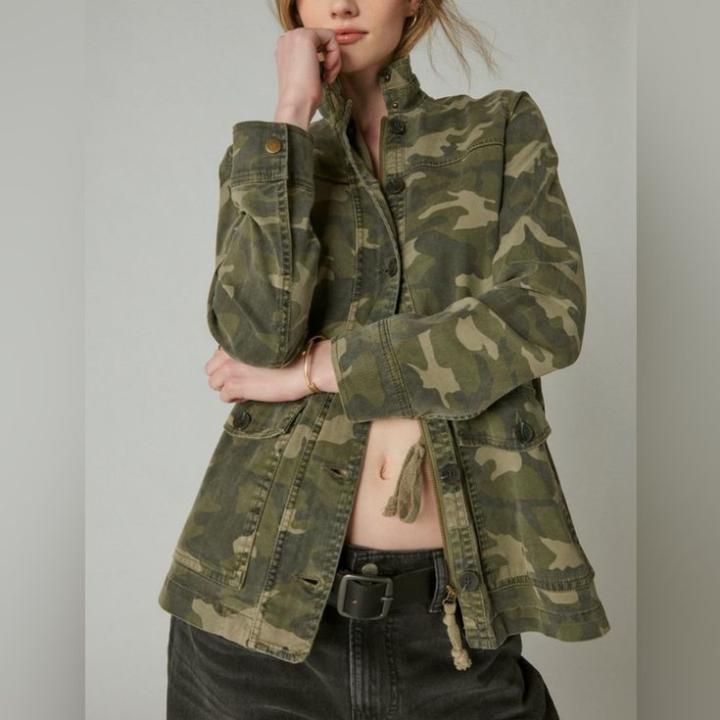
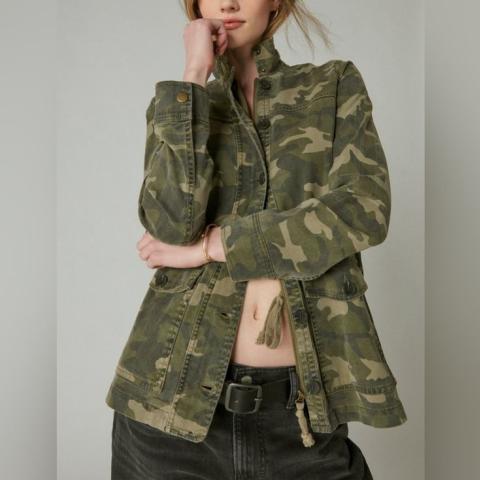
Camouflage has come a long way from its origins on the battlefield to becoming a staple in modern streetwear. Once designed purely for concealment and survival, this distinctive pattern has evolved into a bold fashion statement embraced by designers, celebrities, and everyday wearers alike. Today, camouflage outerwear stands at the intersection of function and >
The Military Origins of Camouflage
The story of camouflage begins in the early 20th century, when militaries sought ways to make soldiers less visible in combat environments. During World War I and World War II, various armies experimented with patterns that mimicked natural surroundings such as forests, deserts, and snow-covered terrain. These designs were not about fashion, they were about survival.
Each camouflage pattern was carefully engineered. Colors, shapes, and contrasts were chosen to disrupt the human silhouette and blend into specific environments. Over time, different countries developed their own signature patterns, many of which are still recognized today. The functionality and symbolism of camouflage, stealth, resilience, and tactical precision, laid the foundation for its later cultural significance.
Transition from Battlefield to Streetwear
After the wars, surplus military clothing found its way into civilian life. Veterans wore their gear due to its durability and practicality, while civilians adopted these garments for workwear and outdoor activities. By the 1960s and 70s, camouflage had taken on new meaning.
Counterculture movements, particularly anti-war protesters, began wearing military garments ironically, transforming symbols of conflict into statements of resistance. This marked one of the earliest shifts of camouflage from purely functional attire to expressive fashion.
As decades passed, designers and brands started incorporating camouflage into their collections. What was once associated with discipline and uniformity became a canvas for individuality and creativity.
The Influence of Hip-Hop and Pop Culture
The rise of hip-hop culture in the 1980s and 90s played a significant role in popularizing camouflage outerwear. Artists and influencers embraced the rugged, utilitarian look as part of their identity. Camouflage jackets, pants, and accessories became symbols of urban toughness and authenticity.
Music videos, album covers, and street >
In the 2000s and beyond, celebrities and social media influencers continued to reinvent camouflage, pairing it with luxury items, sneakers, and bold accessories. This blending of high fashion and streetwear elevated camouflage to new heights.
The Evolution of Design
Modern camouflage is no longer confined to traditional greens and browns. Designers have experimented with a wide range of colors, from monochrome black-and-white to vibrant neon palettes. Digital camouflage patterns, inspired by pixelated designs, have also gained popularity.
Textures and materials have evolved as well. Today’s camouflage outerwear includes everything from lightweight windbreakers to premium wool coats. The pattern is no longer limited to utility, it’s now a versatile design element used across seasons and >
One of the most notable developments is the integration of camouflage into casual essentials like hoodies camouflage >
Why Camouflage Remains Popular
The enduring appeal of camouflage lies in its dual identity. On one hand, it represents strength, resilience, and functionality. On the other, it serves as a bold visual statement that stands out, even while originally designed to blend in.
Camouflage also offers versatility. It pairs well with neutral tones like black, white, and denim, making it easy to >
Another factor is its unisex appeal. Camouflage outerwear transcends gender norms, making it accessible to a wide audience. From oversized jackets to fitted hoodies camouflage designs, there’s something for everyone.
Streetwear Meets High Fashion
In recent years, the line between streetwear and high fashion has blurred significantly, and camouflage has played a role in that transformation. Luxury brands have embraced camo patterns, reimagining them with premium fabrics and tailored cuts.
Runways have featured camouflage trench coats, bomber jackets, and even formalwear. This shift demonstrates how a once purely functional design can be elevated into a symbol of sophistication and innovation.
Collaborations between streetwear labels and high-end designers have further cemented camouflage’s place in fashion. Limited-edition drops featuring unique camo patterns often sell out quickly, highlighting the continued demand for this iconic >
Sustainability and Modern Innovation
As the fashion industry becomes more conscious of sustainability, camouflage outerwear is also evolving in this direction. Brands are now producing camo garments using recycled materials, organic fabrics, and environmentally friendly dyes.
This shift aligns well with camouflage’s original connection to nature. By adopting sustainable practices, designers are reinterpreting the pattern in a way that respects the environment it was initially meant to mimic.
Additionally, technological advancements have led to innovative fabrics that enhance comfort, durability, and performance. Water-resistant coatings, breathable materials, and temperature-regulating textiles are now commonly used in camouflage outerwear, making it suitable for both urban and outdoor settings.
Styling Camouflage Outerwear
Incorporating camouflage into your wardrobe doesn’t have to be complicated. The key is balance. Since camo patterns are visually busy, pairing them with simple, solid-colored pieces can create a cohesive look.
For a casual outfit, a camouflage jacket or hoodies camouflage piece can be worn with jeans and sneakers. For a more elevated >
Mixing camouflage with other patterns can be tricky, but when done right, it can create a bold, fashion-forward look. The important thing is to maintain a sense of harmony in color and proportion.
Cultural Significance and Symbolism
Camouflage carries layered meanings that go beyond fashion. It can symbolize rebellion, unity, strength, or even irony, depending on how it’s worn. This complexity adds depth to its appeal.
For some, wearing camouflage is a nod to military heritage. For others, it’s a way to challenge traditional norms or express individuality. This adaptability is what keeps camouflage relevant across generations and cultures.
The Future of Camouflage Outerwear
Looking ahead, camouflage is likely to continue evolving. As fashion becomes more inclusive and experimental, designers will find new ways to reinterpret this classic pattern. Whether through digital innovation, sustainable practices, or cultural fusion, camouflage will remain a dynamic element in the fashion landscape.
We may also see increased personalization, with consumers customizing their own camo patterns or choosing designs that reflect specific environments or identities. This shift could further blur the line between functionality and self-expression.
Conclusion
From its tactical beginnings to its current status as a fashion staple, camouflage outerwear has undergone a remarkable transformation. What started as a tool for invisibility has become a symbol of visibility, of >
Whether it’s a rugged field jacket or a modern hoodies camouflage piece, this pattern continues to captivate and inspire. Its ability to adapt while retaining its core identity ensures that camouflage will remain a powerful force in fashion for years to come.