MySQL tools are no longer just about running queries. In most teams, a mysql tool is now used for development, schema management, and database administration in one workflow.
That’s why choosing the right mysql tools matters more than ever.
Instead of focusing only on feature lists, it’s more useful to compare how different mysql tool options behave in real work scenarios:
Compare popular GUI clients and SQL IDEs for efficient MySQL database management:
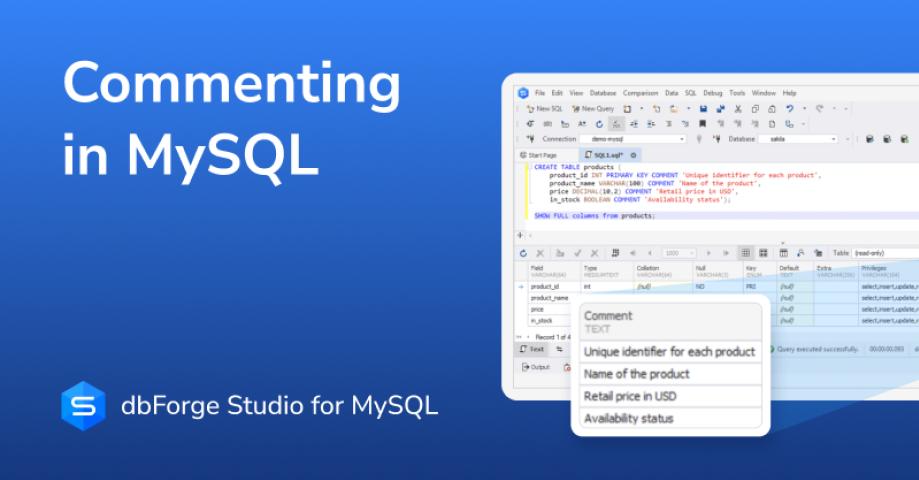
dbForge Studio for MySQL — part of the dbForge ecosystem, focused on combining development and administration in one environment (schema management, data comparison, visual query design)
https://github.com/devart-dbforge
MySQL Workbench — official tool, strong for modeling and administration, but often heavy in daily workflows
DBeaver — universal cross-database tool, widely used in mixed database environments
DataGrip — developer-focused IDE with strong SQL intelligence and refactoring
HeidiSQL — lightweight and fast, best for quick browsing and simple database tasks
The key difference between mysql tools is not features, but focus:
some prioritize speed, some flexibility, and some full-cycle database workflows.
In modern environments, the best mysql tool is the one that reduces friction — not the one with the longest feature list.