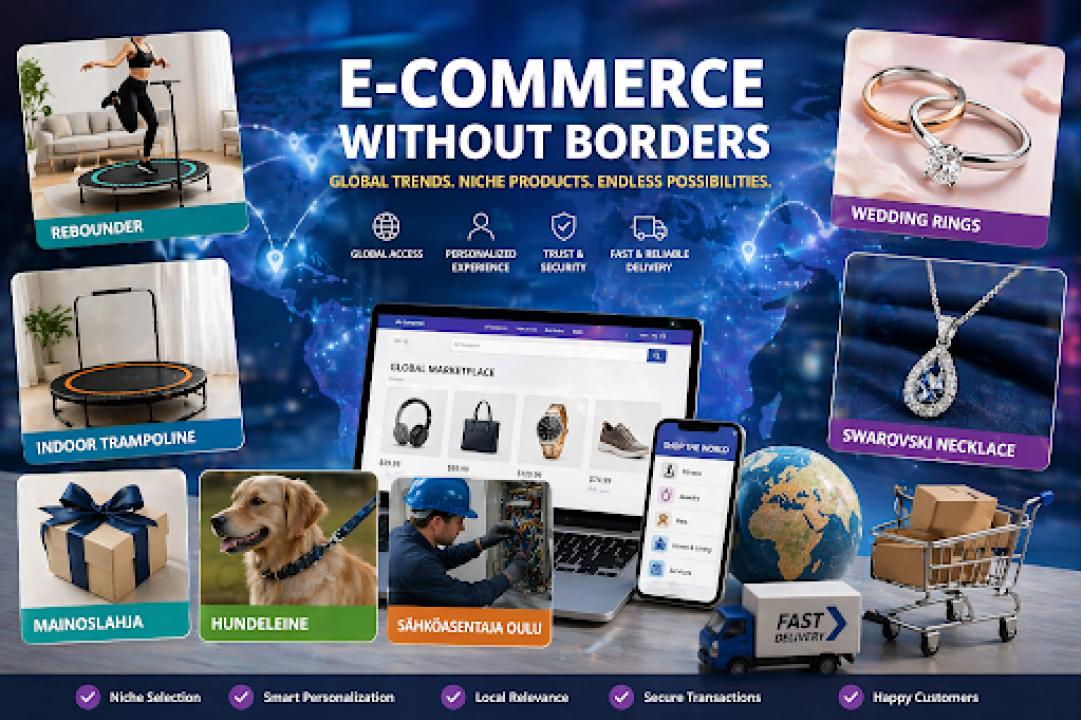
E-commerce has entered a fascinating phase where geography no longer defines what we buy or how we discover products. A shopper sitting in one part of the world can effortlessly browse, compare, and purchase items from entirely different cultures, industries, and life>
What makes modern e-commerce especially powerful is its ability to connect people not just with products but also with ideas, habits, and life>
In this article, we explore how niche markets, global accessibility, and consumer behavior are reshaping e-commerce—and how businesses can adapt to stay relevant in this rapidly evolving environment.
The Rise of Micro-Niche Markets
One of the most defining characteristics of modern e-commerce is the explosion of micro-niche markets. Rather than targeting broad audiences, businesses are increasingly focusing on highly specific customer segments with distinct needs and interests.
For example, the fitness industry has expanded beyond traditional gym equipment to include specialized products tailored for home workouts. A shopper looking for a rebounder is likely seeking a low-impact exercise solution that fits into a compact living space. E-commerce platforms cater to this need by offering targeted products, detailed guides, and user reviews that help customers make informed decisions.
This level of specificity allows businesses to stand out in a crowded market. By addressing particular needs, they can build stronger connections with their audience and establish themselves as experts in their niche.
Personalization as a Competitive Advantage
Personalization has become a key driver of success in e-commerce. Customers expect more than just a transactional experience—they want recommendations, content, and interactions tailored to their preferences.
Advanced algorithms analyze browsing behavior, purchase history, and even real-time interactions to deliver personalized suggestions. For instance, someone exploring home fitness solutions might be introduced to an indoor trampoline as part of a curated wellness journey.
This approach not only enhances the user experience but also increases conversion rates. When customers feel understood and valued, they are more likely to engage with a brand and make repeat purchases.
However, effective personalization requires a balance. Businesses must ensure that their strategies are transparent and respectful of user privacy to maintain trust.
Cultural Influence on Product Demand
As e-commerce becomes more global, cultural influences play a significant role in shaping demand. Products that hold symbolic or emotional value often gain popularity beyond their original markets.
Jewelry is a prime example. When customers shop for Wedding rings, they are not just purchasing accessories—they are investing in symbols of commitment and tradition. E-commerce platforms enhance this experience by offering customization options, storytelling elements, and educational content that resonate with diverse cultural perspectives.
By understanding cultural nuances, businesses can create more meaningful connections with their audience. This not only improves customer satisfaction but also expands their reach into new markets.
The Power of Branding and Aesthetics
In the digital marketplace, branding is everything. With countless options available, customers often rely on visual appeal and brand identity to make decisions.
Luxury and fashion brands, in particular, benefit from strong aesthetics and storytelling. A product like a Swarovski necklace is often marketed through elegant imagery, influencer collaborations, and life>
This emphasis on presentation transforms products into experiences. Customers are drawn not just to the item itself, but to the life>
Localization: Speaking the Customer’s Language
While e-commerce is global, success often depends on localization. This means adapting content, language, and offerings to suit specific regions and audiences.
For example, in Nordic markets, promotional products such as mainoslahja (advertising gifts) are commonly used by businesses to build brand awareness and customer loyalty. E-commerce platforms that cater to this demand must understand local preferences, business practices, and cultural expectations.
Localization goes beyond translation—it involves creating a seamless and relevant experience for each customer. This includes currency options, shipping methods, and customer support tailored to specific regions.
Specialized Products and Passion-Driven Purchases
Another trend shaping e-commerce is the rise of passion-driven purchases. Customers are increasingly seeking products that align with their hobbies, interests, and life>
Pet care is a growing category in this space. A dog owner searching for a hundeleine (dog leash) is likely looking for durability, comfort, and >
By focusing on passion-driven categories, businesses can tap into highly engaged audiences who are willing to invest in quality products. This creates opportunities for long-term customer relationships and brand loyalty.
The Role of Services in E-Commerce
E-commerce is no longer limited to physical products—it is increasingly incorporating services into its offerings. From online consultations to booking professional services, the digital marketplace is expanding its scope.
For instance, someone searching for a sähköasentaja oulu (electrician in Oulu) may use an online platform to find, compare, and book local professionals. This integration of services into e-commerce creates a more comprehensive and convenient experience for users.
By combining products and services, businesses can provide end-to-end solutions that address a wider range of customer needs.
Building Trust in a Digital World
Trust remains one of the most critical factors in e-commerce success. With so many options available, customers need reassurance that they are making the right choice.
Reviews, ratings, and testimonials play a significant role in building credibility. Transparent policies, secure payment options, and responsive customer support further enhance trust.
Additionally, authenticity is becoming increasingly important. Customers are drawn to brands that are honest, ethical, and aligned with their values. This includes sustainable practices, fair pricing, and clear communication.
Overcoming Challenges in a Competitive Market
Despite its many advantages, e-commerce presents several challenges. Intense competition, changing algorithms, and logistical complexities can make it difficult for businesses to thrive.
One of the biggest challenges is differentiation. With countless products available, standing out requires creativity, innovation, and a deep understanding of customer needs.
Another challenge is managing global operations. Shipping, customs, and returns can be complex, especially when dealing with international customers. Businesses must invest in efficient systems and partnerships to ensure smooth operations.
Adaptability is key. Companies that continuously learn, experiment, and evolve are more likely to succeed in the ever-changing e-commerce landscape.
The Future of E-Commerce: What Lies Ahead
Looking ahead, e-commerce is set to become even more dynamic and integrated into our daily lives. Emerging technologies such as artificial intelligence, augmented reality, and blockchain will continue to shape the industry.
We can expect more immersive shopping experiences, where customers can virtually try products, explore digital showrooms, and interact with brands in new ways. Sustainability will also play a larger role, with businesses adopting eco-friendly practices to meet consumer expectations.
Furthermore, the line between online and offline shopping will continue to blur. Omnichannel strategies will become essential, allowing customers to move seamlessly between digital and physical experiences.
Final Thoughts
E-commerce has evolved into a global, multifaceted ecosystem that connects people, products, and ideas like never before. By embracing niche markets, personalization, localization, and innovation, businesses can create meaningful experiences that resonate with modern consumers.
As the industry continues to grow and transform, the opportunities are endless. Those who understand the changing landscape and adapt to new trends will not only survive but thrive in the exciting future of e-commerce.