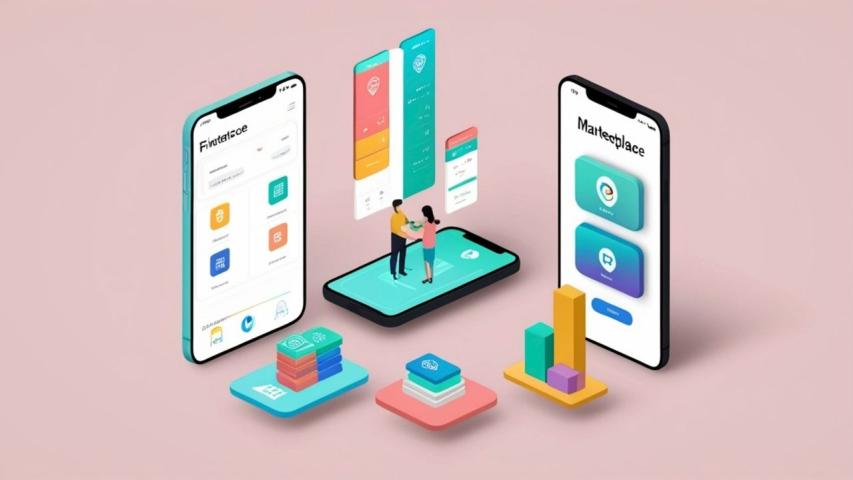
When I first started improving my Shopify store, installing apps felt like the easiest solution to almost every problem. Need better upsells? Install an app. Want to improve checkout? Install another one. Looking to optimize user experience? There was always an app for that.
At first, this approach worked. My store became more functional, and I was able to add features quickly without any technical complexity. However, over time, I started noticing something wasn’t right. The store began to feel heavier, pages loaded slower, and managing multiple apps became increasingly difficult.
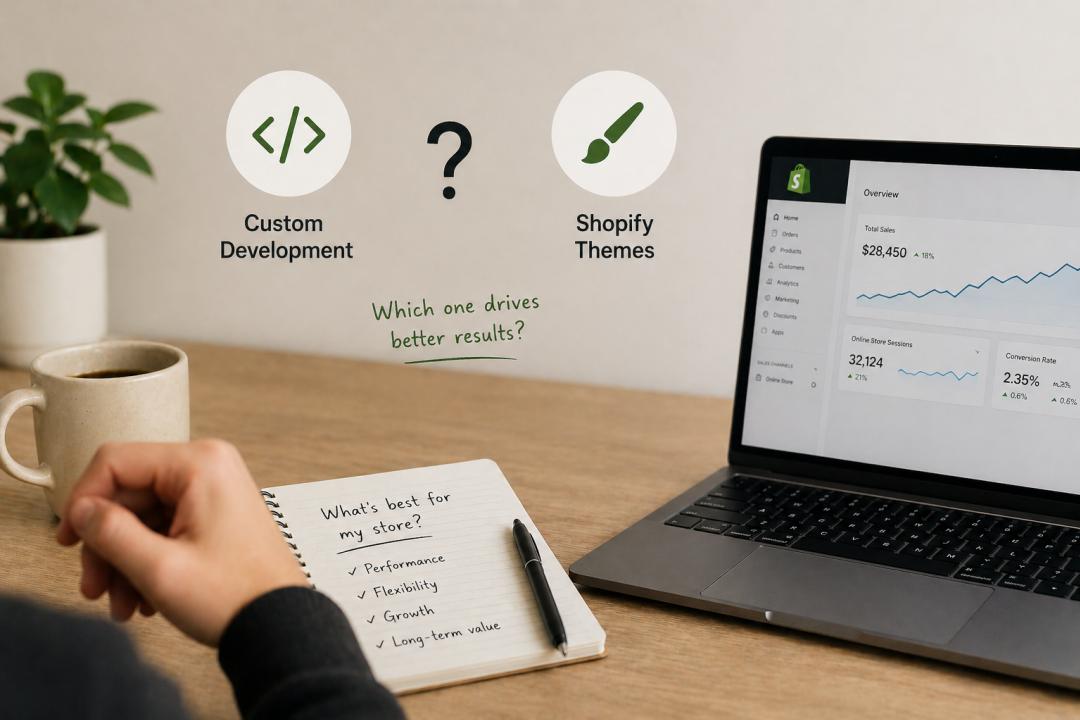
That was when I started questioning whether installing apps was always the right approach or if building custom solutions would actually be more effective in the long run. Understanding the difference between building and installing Shopify apps completely changed how I approached scaling my store.
Why Installing Apps Feels Like the Easy Solution
In the beginning, installing apps made everything simple. Shopify’s app ecosystem is designed to provide quick solutions, which makes it incredibly convenient for store owners who want fast results without technical effort.
Each app solves a specific problem, and within minutes, new functionality can be added to the store. This makes it ideal for early-stage stores where speed and simplicity matter more than optimization.
I relied heavily on apps because they allowed me to experiment quickly. I could test features, try different strategies, and make changes without needing development work.
However, what I did not realize at the time was that every app comes with its own scripts, dependencies, and performance impact. While one app may not cause issues, multiple apps running together can significantly slow down the store and create conflicts.
When Installing Apps Started Creating Problems
As my store grew, I began to notice the downside of relying too much on apps. The more apps I installed, the more complex my store became.
Performance was the first issue. Pages started taking longer to load, especially on mobile devices. Even small delays began affecting user experience and conversions.
Managing apps also became challenging. Some apps overlapped in functionality, others conflicted with each other, and removing them was not always straightforward. Over time, my store started feeling like a collection of patches rather than a well-structured system.
Another major limitation was flexibility. Apps are built for general use cases, which means they do not always align perfectly with specific business needs. I often had to adjust my store to fit the app instead of the app fitting my store.
What Changed When I Considered Building Custom Apps
When I started exploring custom Shopify app development, my perspective shifted. Instead of relying on multiple third-party tools, I began thinking about building only what my store actually needed.
Custom apps gave me more control over functionality and performance. Instead of loading multiple scripts from different sources, I could streamline features into a more efficient system.
This approach also reduced unnecessary complexity. I no longer had to depend on several apps for small functionalities, which helped improve speed and stability.
Another advantage was scalability. As my store grew, I could adapt custom solutions based on evolving needs instead of being limited by pre-built app features.
While building custom apps requires more planning and investment, solutions like those offered in Shopify app development services helped me understand how tailored functionality can improve performance, flexibility, and long-term growth.
My Experience: Finding the Right Balance
Looking back, I realized that the decision between building and installing apps is not about choosing one over the other completely. It is about knowing when to use each approach.
In the early stages, installing apps made sense because it allowed me to move quickly and test ideas without heavy investment. It helped me validate what features were actually useful.
However, as my store matured, relying on too many apps became a limitation. That was when shifting toward custom-built solutions started making more sense.
The biggest improvement came from finding a balance. I kept essential apps that provided real value while replacing unnecessary ones with more efficient, tailored solutions.
This balance allowed me to maintain flexibility without compromising performance, which ultimately improved both user experience and conversions.
Conclusion
Choosing between building and installing Shopify apps is not a simple decision, and it depends largely on the stage of your store and your long-term goals.
Installing apps is a great way to get started quickly, experiment with features, and add functionality without technical effort. However, relying too heavily on them can lead to performance issues, complexity, and limited flexibility.
On the other hand, building custom apps provides greater control, better performance, and scalability, but it requires more planning and investment.
From my experience, the best approach is not choosing one over the other, but understanding when to transition. Start with apps to validate your needs, and as your store grows, move toward custom solutions that align with your goals.
In the end, it is not about how many features your store has, but how efficiently and seamlessly those features work together to create a better user experience.