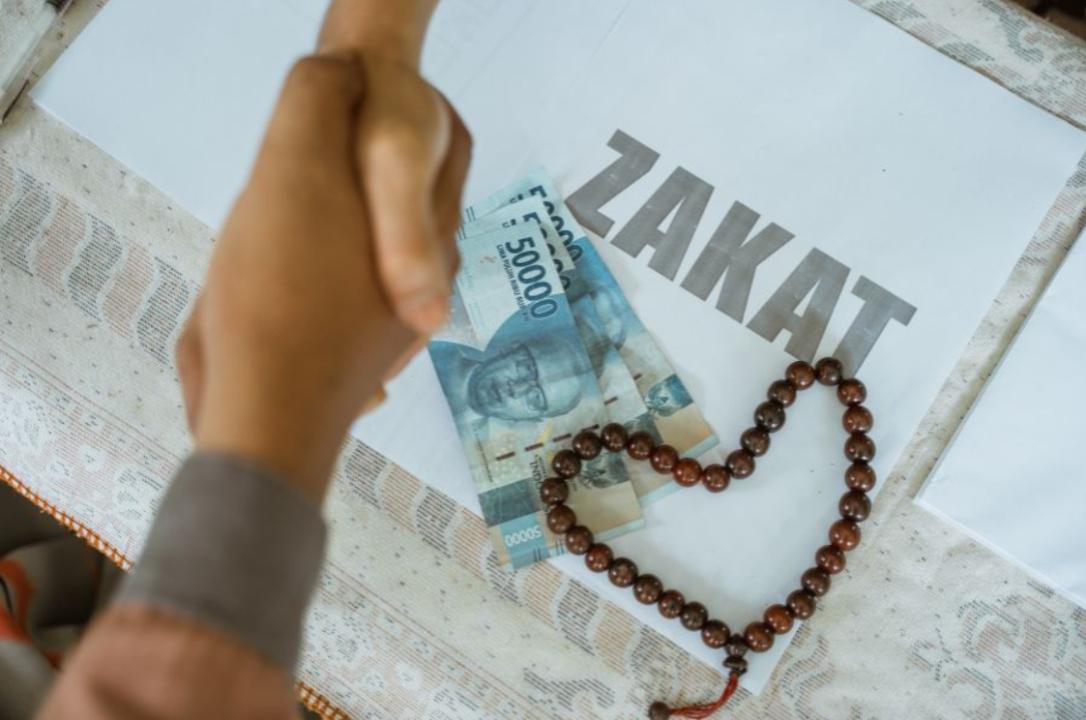
If you follow a clear procedure, calculating Zakat on cash, gold, and savings is easy. First, add your savings, cash on hand, and the current value of your gold holdings to estimate your entire wealth. Make sure this sum has been maintained for a full lunar year and satisfies the nisab requirements. Next, figure out 2.5% of the entire amount that qualifies. Before the final computation, deduct any urgent liabilities if needed. This guarantees that your responsibility is accurate and fair. To make this procedure easier and guarantee accurate Zakat Donation, a lot of people make use of internet resources. Use the current gold market rates to confirm values at all times.
Recognise Which Wealth Is Zakatable
Determining which of your assets qualify is the initial step in figuring out Zakat. Zakat is applied to cash on hand, savings in bank accounts, and the worth of your gold. Your home, clothing, and vehicle are examples of personal items that are not covered. Depending on their type, company shares and investments may potentially be zakatable. Authenticity is ensured from the beginning by knowing specifically what to include. Both underpayment and overpayment are avoided by this clarity. Every year, the entire calculation process becomes a lot simpler and more structured for you once you clearly separate between zakatable and non-zakatable assets.
Understand the Nisab Threshold
Only when your financial status surpasses the nisab threshold is zakat needed. The minimum amount of wealth a Muslim must have in order to be required to reimburse Zakat is known as nisab. The value of gold or silver is used to compute it. To determine the precise nisab value, you should look at current market pricing. Zakat is owed if your cash, gold, and savings stay above this threshold for a full lunar year. Knowing nisab enables you to determine your eligibility for Zakat payments. This step is crucial because it guarantees equity and keeps people from experiencing needless financial difficulties.
Set a Date for Zakat
Your calculation method is made easier by selecting a consistent Zakat date each year. Although any Islamic date can be used, many individuals choose to calculate Zakat during Ramadan because of its spiritual importance. Your selected date becomes your Zakat anniversary if your wealth stays above nisab for the entire lunar year. This practice guarantees that you never overlook or put off fulfilling your responsibility. You can monitor your financial progress over time with its assistance. You can establish a habit that renders Zakat computation simpler, more organised, and less stressful by keeping to a single date each year. This eliminates the need to constantly review your schedule.
Accurately Determine Total Savings
You have to create all of your savings in one location in order to compute Zakat correctly. This covers any currency kept at home, e-wallets, and bank accounts. Small savings should be mentioned, even though many individuals ignore them. To get the total amount, properly add everything. Since it directly impacts your Zakat amount, accuracy is essential at this point. Fairness and openness are ensured by taking the effort to determine your savings accurately. You may safely go to the subsequent stage of calculating Zakat once you have a clear figure and won't be concerned about forgetting any money.
Assess Gold's Current Market Value
Always consider the current market value of gold instead of the initial purchase price for determining Zakat. Since gold prices change over time, authenticity is ensured by using current rates. After accurately weighing your gold, multiply the result by the current price per gram. This supplies you with the accurate figure to use for calculating Zakat. It should be taken into account whether your gold is in the form of jewellery, coins, or bars. This phase is crucial since gold often constitutes a substantial amount of wealth, and a precise appraisal guarantees that your Zakat requirement is appropriately met.
Add All of Your Cash Holdings
Although it is sometimes undervalued, cash is one of the simplest commodities to compute for Zakat. All types of currency, including those in your purse, bank accounts, and even digital funds, should be included. If you expect repayment, you should also add the money you have lent to other people. You may make sure that nothing is overlooked by compiling all of your cash holdings. This thorough method ensures that your Zakat computation is accurate. You can discharge your duty truthfully and reduce the chance of misrepresenting your total zakatable wealth by incorporating all of your sources of income.
Use the 2.5% Rule
Applying the Zakat rate is easy once you have determined your entire zakatable value. 2.5% of the total amount must be paid by you. The formula is simple and easy to memorise because of this set proportion. For instance, your Zakat would be 2,500 if your total worth were $100,000. Once the entire amount is obvious, this phase is short and involves little work. This rule's simplicity guarantees that anyone can easily compute their Zakat. It's a consistent and equitable approach that works for cash, gold, and savings.
Final words
Zakat calculations on cash, gold, and savings don't have to be difficult. The procedure is made easy and manageable by knowing which belongings have been included, monitoring your worth, and using a straightforward calculating approach. These effective methods offer a straightforward framework that anybody may adhere to.
Visit promoteproject for more informative blogs.