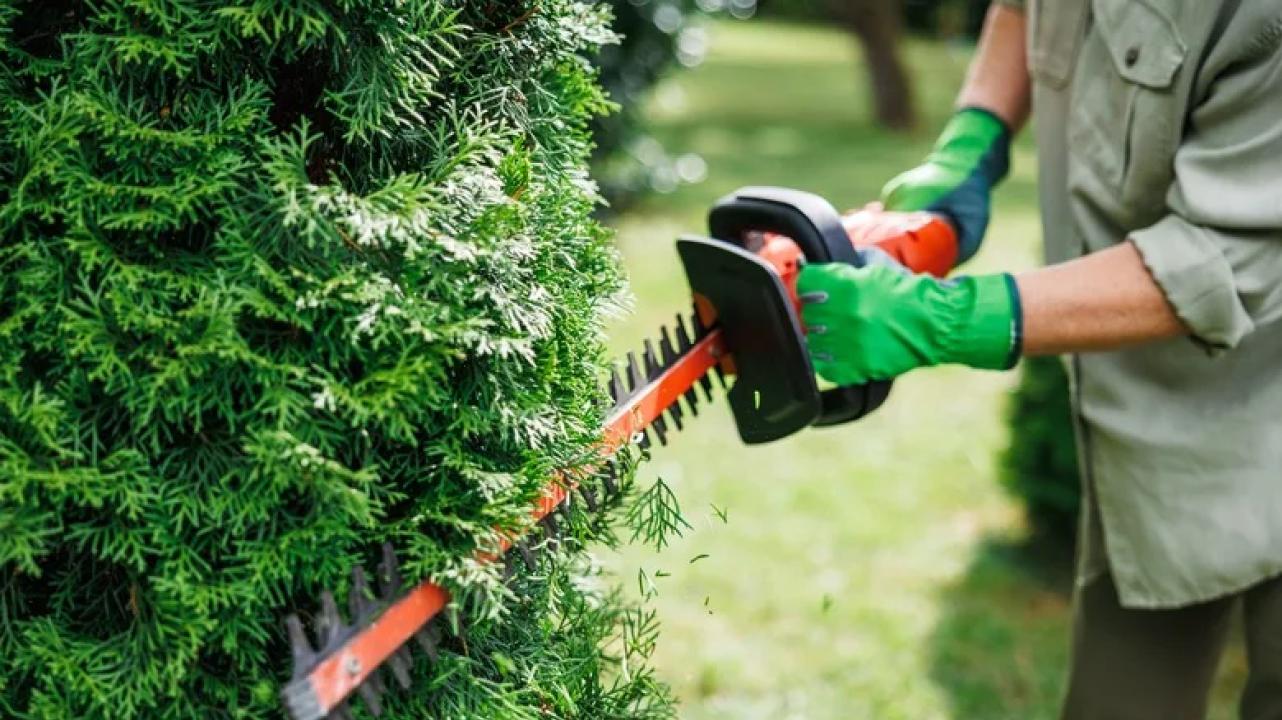
Hedge trimming shapes more than garden looks. It pushes plants into stronger growth and keeps them active through seasons. Many people think it only makes a garden tidy but the real benefit goes deeper. Plants respond to cutting with fresh shoots and tighter structure. This reaction builds health and strength over time. A hedge left alone grows wild and weak in many spots. Light struggles to reach inner branches and air stops moving freely. Trimming fixes these problems and resets growth patterns.
Why does hedge trimming push plants to grow stronger
Plants grow in a way that spreads energy across all branches. Old growth takes energy even when it no longer helps the plant. When trimming removes that weight the plant sends energy into new shoots. These shoots grow firm and healthy. Weak branches stop draining resources. The plant gains balance again. This process builds structure that lasts longer and holds shape better.
How does cutting hedges improve light inside the plant
Sunlight plays a key role in plant life. Leaves use it to build food through natural processes. Dense hedges block light from reaching inner areas. Those hidden parts slowly weaken and lose color. Trimming opens small gaps in the hedge. Light reaches deeper sections and wakes up slow growth. Fresh leaves form in places that once stayed dull. The plant spreads energy across all areas instead of only the outer layer.
What happens to air flow after hedge trimming
Air movement keeps plants stable and clean. Thick hedges trap moisture inside branches. That moisture creates stress for leaves and stems. Fungal issues start in those tight spaces. When trimming removes extra growth air begins to pass through the hedge. Leaves dry at a steady pace after rain. Stems stay firm. The plant avoids many common issues linked with damp conditions. This change supports long term health.
Why do hedges become healthier after removing old branches
Old branches slow down plant progress. They hold no strong purpose after new growth appears. These parts still take nutrients from soil and roots. That reduces supply for healthy sections. Trimming clears those old parts. The plant then focuses on fresh growth. New shoots take control of shape and strength. The hedge starts to rebuild itself with better structure. Growth feels more organized after this reset.
How does trimming support root strength
Roots react to changes above ground. When a hedge loses extra branches it does not need to support heavy growth. That reduces pressure on the root system. Roots shift their focus to strengthening themselves. They expand deeper into soil. Water intake improves. Nutrient uptake improves. This balance creates a stable plant that handles dry periods with less stress.
What role does timing play in hedge trimming
Timing affects how well a hedge responds. Plants grow in cycles. Cutting during active growth allows quick recovery. Cutting during slow periods can delay healing. Each plant type reacts in its own way. Careful observation helps decide the right moment. A steady routine keeps growth even and predictable. Sudden heavy cuts should be avoided because plants need time to adjust.
How does Hedge Trimming Preston help maintain strong garden structure
Hedge Trimming Preston focuses on shaping hedges in a way that supports long term plant health. The process avoids harsh cuts and works with natural growth patterns. This keeps hedges firm and full without stressing them. Plants respond with steady regrowth and better color. Gardens stay neat while plant health improves over time. Many homeowners rely on Hedge Trimming Preston for consistent results that keep hedges in stable condition.
Can trimming change the shape and purpose of a hedge
A hedge holds both beauty and function in a garden. It can create borders or privacy. Trimming controls how it grows into those roles. Regular shaping keeps lines clear and even. Without trimming hedges lose form and spread outward without order. Careful cuts guide the plant into the shape that fits the garden. This helps both appearance and structure stay aligned.
Why do plants recover faster after regular trimming
Plants adapt to routine care. When trimming happens often they learn to grow in controlled patterns. Sudden large cuts can shock a hedge. Small regular cuts avoid that stress. Growth becomes steady and predictable. The plant invests energy into fresh leaves instead of repairing damage. This leads to faster recovery and stronger overall health.
What mistakes reduce hedge health during trimming
Cutting too deep into old wood slows regrowth. Removing too much at once weakens the plant. Using dull tools damages stems and leaves. Uneven cutting creates weak patches in the hedge. Ignoring natural shape leads to poor structure. Each of these mistakes affects long term growth. Careful attention keeps plants safe and stable.
How does Hedge Trimming Preston support balanced growth
Hedge Trimming Preston uses methods that match plant needs. Each hedge type responds differently so care must adjust to that. Balanced trimming removes only what blocks growth. This helps light and air move freely again. Plants recover with strong new shoots. Over time hedges form a dense and healthy structure that lasts through seasons.
FAQs
What is hedge trimming?
Hedge trimming means cutting hedge plants to shape them and support healthy growth. It removes old or weak branches and improves plant structure.
Why does hedge trimming matter for plant health?
Hedge trimming matters because it improves light flow air movement and energy balance inside plants. This helps hedges grow stronger and stay healthy.
How often should hedges get trimmed?
Hedges need trimming a few times each year. Growth speed and plant type decide exact timing.
Does trimming help plants grow thicker?
Yes trimming encourages new shoots which makes hedges fuller and denser over time.
Can trimming harm hedges if done wrong?
Yes incorrect trimming can slow growth and weaken plants. Careful cutting protects hedge health.
Conclusion
Hedge trimming plays a direct role in plant strength and long term garden health. It removes weak growth improves light access and supports better air flow. Roots gain strength when excess branches no longer drain energy. Plants respond with fresh shoots and steady structure. Regular care builds hedges that stay full and stable across seasons. Services like Hedge Trimming Preston help maintain this balance and keep gardens in strong condition without harming natural growth patterns.