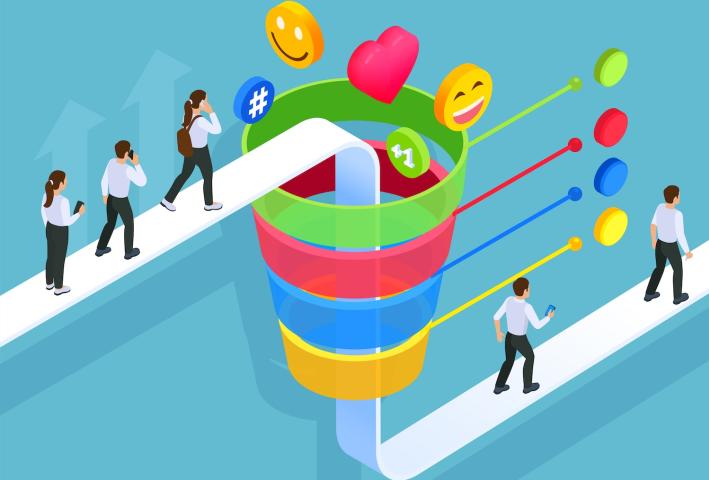
In an age where the internet shapes consumer behavior, digital marketing has become an essential strategy for businesses of all sizes. It goes beyond traditional advertising, enabling brands to connect with their audience in real time, build relationships, and drive measurable results. From social media campaigns to search engine optimization, digital marketing is the engine powering modern business growth.
What is Digital Marketing?
Digital marketing refers to all marketing efforts that use the internet or electronic devices. Businesses leverage channels such as search engines, social media platforms, email, and websites to reach current and potential customers. Unlike traditional marketing, digital marketing allows for precise targeting, real-time analytics, and cost-effective campaigns.
Key Components of Digital Marketing
Digital marketing is a broad field that includes several important strategies:
- Search Engine Optimization (SEO): Improves website visibility on search engines, helping users find your business organically.
- Content Marketing: Focuses on creating valuable and relevant content to attract and engage audiences.
- Social Media Marketing: Uses platforms like Facebook, Instagram, and LinkedIn to promote brands and interact with users.
- Email Marketing: A direct way to communicate with customers through personalized messages and campaigns.
- Pay-Per-Click Advertising (PPC): Paid ads that drive traffic to websites through clicks.
- Affiliate Marketing: Involves partnerships where others promote your products for a commission.
Why Digital Marketing Matters
The importance of digital marketing lies in its ability to reach a global audience while maintaining a personal touch. Businesses can target specific demographics, track user behavior, and adjust strategies instantly based on performance data.
It also offers better return on investment compared to traditional methods. Even small businesses can compete with larger companies by using smart digital strategies and creative content.
Benefits of Digital Marketing
- Global Reach: Connect with audiences worldwide.
- Cost Efficiency: Lower costs compared to traditional advertising.
- Measurable Results: Track performance using analytics tools.
- Targeted Audience: Reach specific groups based on interests and behavior.
- Improved Engagement: Interact directly with customers.
Emerging Trends in Digital Marketing
Digital marketing continues to evolve with technology. Some key trends shaping the future include:
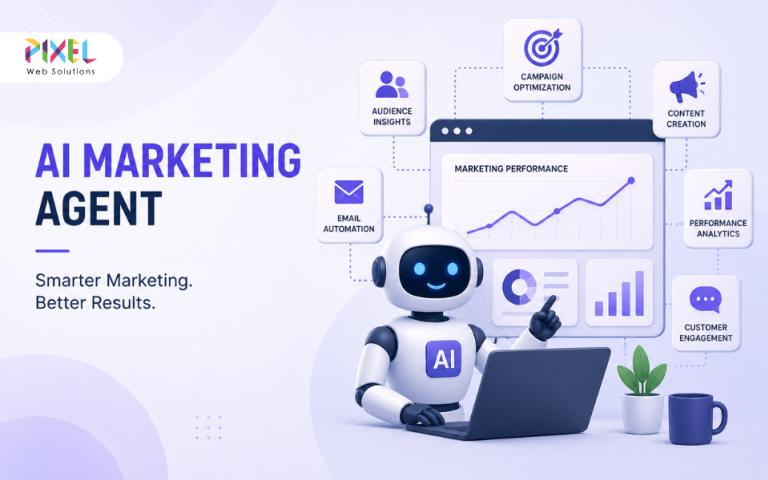
- Artificial Intelligence (AI): Enhancing customer experiences through automation and personalization.
- Voice Search Optimization: Adapting content for voice-based queries.
- Video Marketing: Increasing engagement through visual storytelling.
- Influencer Marketing: Leveraging individuals with strong online presence to promote brands.
- Data Privacy and Security: Ensuring ethical handling of user data.
Conclusion
Digital marketing is no longer optional—it’s a necessity for businesses aiming to thrive in a competitive landscape. By combining creativity, data-driven strategies, and the right tools, companies can build strong online identities, connect with their audience, and achieve sustainable growth. As technology advances, those who adapt and innovate will lead the digital marketplace.