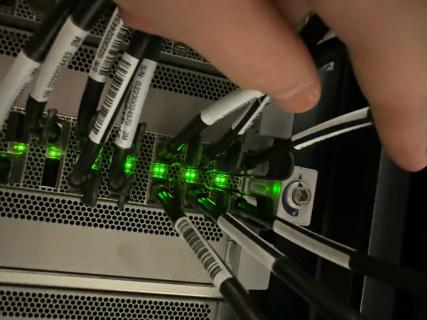
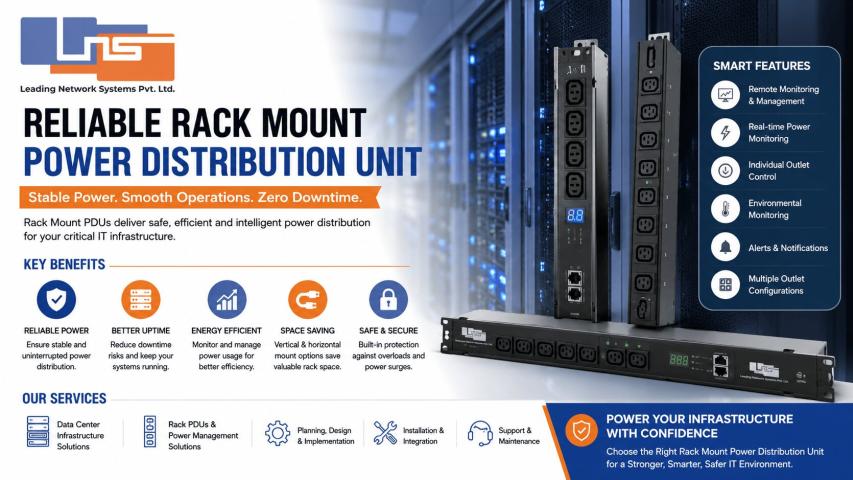
If you have ever stepped into a server room, you know the sound. The hum of fans, the blinking lights, and the overwhelming feeling that if one cable gets pulled, the whole operation might go dark. Managing all those plugs isn't just about finding enough wall outlets; it is about how you distribute that juice safely. That is exactly where a rack mount power distribution unit (PDU) earns its keep.
Think of it as a heavy-duty power strip on steroids, specifically built to live inside a server rack. It takes a single high-capacity power feed and breaks it down for your servers, switches, and storage arrays. Without a reliable way to manage this, your hardware is basically a high-priced paperweight.
Why Your Choice of PDU Matters
Choosing a random power strip from a hardware store for a server rack is a recipe for disaster. Professional equipment needs consistent, filtered power. A proper rack mount power distribution unit is built to handle the heat and the constant electrical load of a 24/7 data center environment.
Basic vs. Intelligent PDUs
Not all units are created equal. A basic PDU just gives you outlets. It is reliable and gets the job done if you just need power. But if you want to know how much electricity each server is pulling, you need something smarter.
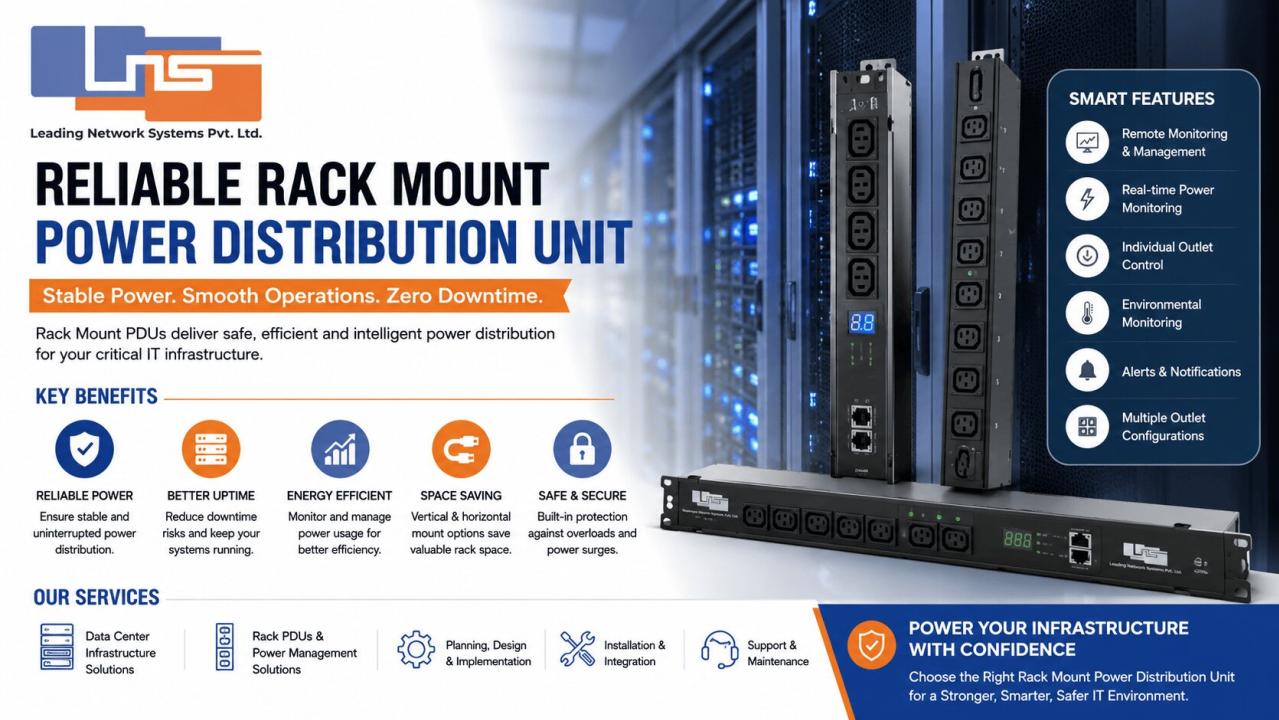
Intelligent units allow for remote monitoring. This means you can see if a specific circuit is near its limit before a breaker trips. It also helps with data center infrastructure management by providing the data needed to balance loads across your entire facility.
Protecting Your Hardware
Power surges are the silent killers of expensive gear. Many units come with built-in surge protection or circuit breakers that react faster than a standard home unit. This protection ensures that a minor electrical blip doesn't turn into a catastrophic hardware failure.
Horizontal vs. Vertical Mounting
Space is the most valuable currency in a server rack. How you mount your rack mount power distribution unit depends on how much room you have left.
1U and 2U Horizontal Units
These fit into the standard rack spaces (U) just like a server. They are great for smaller racks where you only have a few devices. The downside is they take up space that could be used for more compute power.
Zero-U Vertical Units
These are the long, thin strips that mount to the back or side of the rack frame. Since they don't occupy any "U" space, they are called Zero-U. This is the gold standard for high-density environments. It keeps the power cables tucked away from the main airflow, which helps keep your equipment cool.
Features That Make Life Easier
When you are neck-deep in cables at 2 AM trying to fix a network issue, small design choices matter.
Color-Coded Outlets
It sounds simple, but color-coding helps you distinguish between A and B power feeds. If your server has dual power supplies, you want them plugged into different PDUs. If both are black, it is easy to make a mistake.
Locking Outlets
Server vibrations or a stray hand can wiggle a plug loose. Locking outlets ensure that the power cord stays seated no matter what. It provides that extra bit of security that keeps the "uptime" clock ticking.
Remote Power Cycling
Imagine a server freezes and needs a hard reboot, but you are an hour away from the office. An intelligent rack mount power distribution unit lets you log in through a web interface and "flip the switch" on a single outlet. It saves a trip and gets your services back online in minutes.
Integrating with Data Center Infrastructure Management
For those running larger setups, a PDU isn't an island. It is a data source. By linking your power units to a data center infrastructure management platform, you get a bird's-eye view of your power usage.
This helps you spot "zombie servers" that are pulling power but doing no work. It also lets you plan for future growth. If you know exactly how much "headroom" you have in your power budget, you can add new hardware with confidence. Companies like Leading Network Systems provide these types of integrated power solutions and cabling accessories for modern server rooms.
Maintenance and Safety Tips
Even the best gear needs a little looking after. Here is how to keep things running smoothly:
Don't Daisy Chain: Never plug one PDU into another. It creates a fire hazard and messes with the electrical grounding.
Label Everything: Use a label maker to mark which PDU handles which power source.
Monitor the Heat: Ensure the PDU isn't blocking the exhaust fans of your servers. Hot air needs a clear path out of the rack.
Regular Audits: Every few months, check for loose plugs or cables that are stretched too tight.
If you are looking to upgrade your current setup, getting advice from specialists like LNS or Leading Network Systems can help you find the right fit for your specific rack dimensions.
Frequently Asked Questions
What is the difference between a PDU and a UPS?
A UPS (Uninterruptible Power Supply) contains batteries to keep things running during a blackout. A rack mount power distribution unit simply distributes the power from the wall (or the UPS) to your devices. You usually plug your PDU into your UPS.
Can I use a 15-amp PDU on a 20-amp circuit?
It is generally safer to match the PDU to the circuit capacity. Using a lower-rated PDU means you might trip the internal breaker on the PDU before the wall breaker, which can be confusing to troubleshoot.
What are 'Switched' PDUs?
A switched PDU allows you to turn individual outlets on or off remotely. This is different from a 'Monitored' PDU, which only lets you see the power usage but won't let you toggle the power.
How many outlets do I really need?
Always buy more than you think. If you have 10 devices, don't get a 10-outlet PDU. Get 16 or 24. You will inevitably add a small switch, a console server, or a temporary testing laptop, and you'll be glad you have the extra ports.
Setting up a reliable power foundation is the most important step in building a stable IT environment. Whether you need a simple horizontal strip or a complex vertical unit tied into your data center infrastructure management software, the right rack mount power distribution unit is a silent partner in your success. For those needing help with professional-grade installations, LNS or Leading Network Systems offers a variety of infrastructure components to get the job done right.