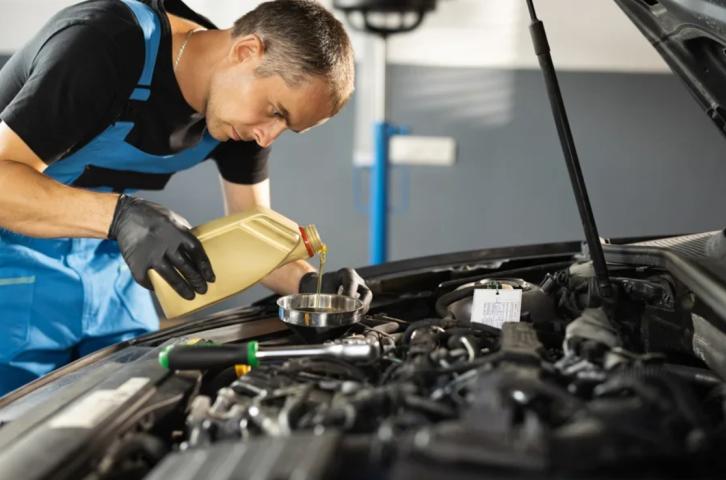
When it comes to vehicles, most just think about them when they start to have issues. One morning, the Engine Light is on, and there is a peculiar sound coming from the engine or the car just won't start. This is the reality, however: most of the problems that plague engines don't just appear out of nowhere. They are cumulative, insidious and take months to accumulate due to lack of maintenance and maintenance delays. Car repair is one of the best ways to keep your engine and wallet healthy, whether you're trying to repair a minor dent or a leaky gasket.
If you have recently had an accident and are wondering about your options, getting insurance approved car body repairs done through a certified garage also ensures your engine components and underlying systems are checked properly, not just the cosmetic damage.
What Happens Inside an Engine When Repairs Are Skipped
There are hundreds of moving parts in your engine operating each second you're behind the wheel. They are lubricated with oil, have temperature regulation provided by coolant and are protected from dirt by filters. If any of these aspects is neglected, it impacts the entire system. The oil in your engine is the lifeblood of your car, used to lubricate important parts of your engine. It is subject to wear and tear over time and loses effectiveness and optimum performance. If oil is not changed, the dirt in the oil smears around your engine and erodes metal parts with each rotation.
The Real Cost of Waiting Too Long
If timing belt replacement is not done (it only costs between $500 and $1,000), it can cause engine damage, resulting in a loss of $3,000 to $5,000. Failure to flush the coolant regularly will result in a failure of the head gasket which can cost between $1,500 and $4,000. Cars that have been neglected over five years cost $2,500 to $10,000 more for repairs than cars that have been well cared for over the same period of time, which cost $1,000 to $2,500 more. Not a small difference! It's the cost of a vacation, down payment or months of saving. According to a survey of 1,200 car owners, an oil change delay could cost 50 times more by having to replace the engine parts.
Key Car Repair Tasks That Protect Engine Health
Oil Changes and Fluid Checks
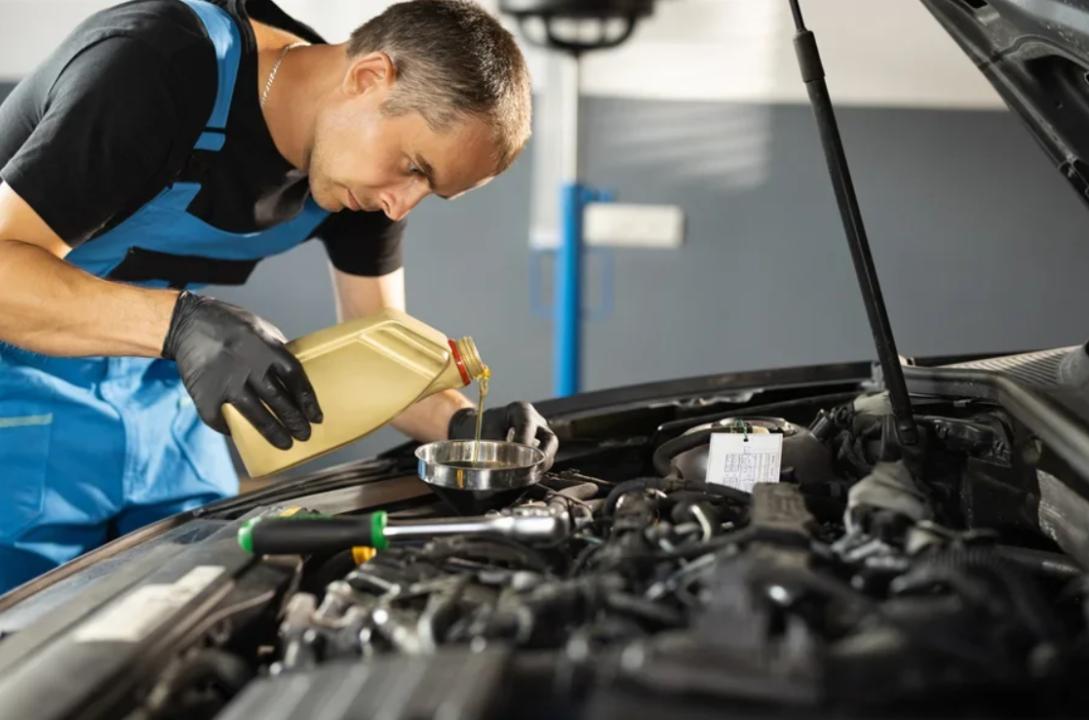
Regular oil change is important for proper engine performance. Clean oil lubricates the engine, minimizes friction and keeps the engine from overheating. Your car also has a number of fluids to keep it operating smoothly, including coolant, brake fluid and other fluids, each being important in a number of ways. Simple things, such as a fluid top up or oil change, can be easily forgotten. However, these are the fundamental measures you must take to ensure that your engine doesn't overheat, foul up or fail prematurely.
Belts, Hoses and Filters
Belts are used to move different parts of the vehicle and hoses are used to circulate fluids throughout the system, including the timing belt. Inspect belts for wear, cracks and fraying and replace as necessary to prevent belt failure and possible major engine damage. This broken timing belt can kill a car in seconds. It's a very simple car repair and won't require an entire engine rebuild if it is replaced in a timely fashion.
Cooling System Maintenance
One of the quickest ways of causing permanent damage is having an overheated engine. Keeping your cooling system in good condition is critical to protecting your engine against overheating – which can cause serious and permanent damage. One of the best neglected car repairs is to check the coolant levels and run the system regularly. It helps to safeguard your engine block, head gaskets, and radiator - all in one.
A Real Study Worth Knowing About
Carfax data shows that over 30 million cars on the road are late for oil changes and tyre rotations. Three issues with low or filthy oil could lead to costly repairs: engine failure, backups in the system, and damage to the system. Paul Nadjarian, Carfax Car Care's general manager, said: "Well-maintained vehicles are more durable, end up costing the owner less over time and are worth more when it is time to sell. This is NOT a niche problem! Hundreds of millions of cars are silently dying and the cars' engines are getting older than they should.
How Technology Is Changing Car Repair
Predictive car maintenance is taking center stage in 2025, revolutionizing vehicle maintenance. Mechanics and drivers do not have to wait until problems are evident, but can predict them before they occur. They gather data from engine sensors, tire monitors and onboard computers, and alert you if things begin to fall apart. This is a good reason not to procrastinate any longer. Now your car can let you know when to give it a tune. Whether you will listen is the question.
Warning Signs You Should Never Ignore
If the check engine warning light is illuminated and stays on, or if the vehicle is losing power, or if the engine has an abnormal noise (knocking or ticking) that is noticeable, or if there is a fluid leak underneath the vehicle or if white or black smoke is emitted from the exhaust, there is something wrong already. These early symptoms are averted by action, so that a small problem does not become an engine replacement.
Final Words
Your engine is giving you very little. The building blocks of good engine maintenance are regular oil changes, clean fluids, and the timely replacement of belts, and a working cooling system. However, the absence of such fundamentals results in a lot of "damage" and car repair costs keep increasing from hundreds to thousands. Not maintaining your car is like taking a car that's been driven for 200,000 miles and slowing it down to 150,000 miles. Just due to missed maintenance, that's 50,000 miles less.