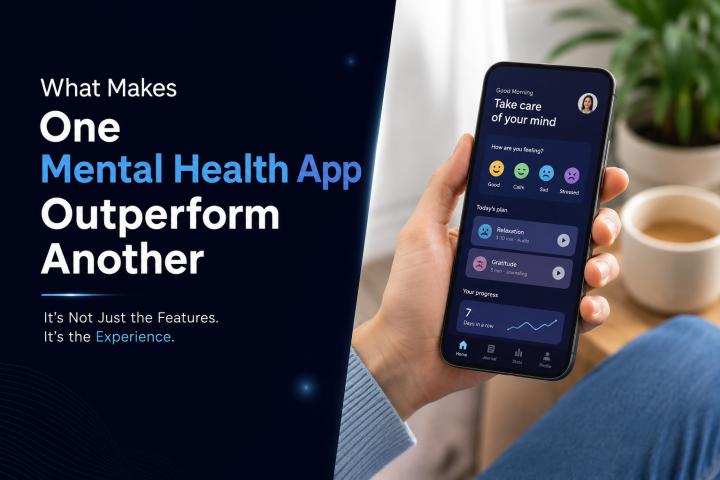
The global demand for digital mental healthcare solutions is growing rapidly as patients, healthcare providers, and organizations seek accessible and personalized care experiences. From therapy booking platforms and meditation apps to AI-powered emotional wellness tools, mental health applications are transforming the healthcare ecosystem.
Businesses and healthcare organizations are increasingly partnering with a mental health app development company to create secure, HIPAA-compliant, and patient-centric applications that improve mental wellness and remote care accessibility.
With rising awareness around anxiety, depression, stress management, and behavioral health, digital mental wellness platforms are no longer optional innovations. They are becoming essential healthcare solutions that support both patients and providers through convenient, scalable, and data-driven technologies.
This article explores everything businesses should know about mental health app development, including features, costs, benefits, use cases, compliance requirements, and future trends.
Why Mental Health Apps Are Growing Rapidly
Mental health challenges have become a major global healthcare concern. Patients now prefer digital solutions that offer immediate support, flexible scheduling, and remote therapy sessions.
Several factors are driving the growth of mental health applications:
1. Increased adoption of telehealth services 2. Growing awareness of mental wellness 3. Demand for remote therapy and counseling 4. AI-driven healthcare personalization 5. Improved smartphone and wearable device usage 6. Need for anonymous and stigma-free support
A professional mental health app development company helps healthcare providers and startups create solutions that address these evolving patient expectations while ensuring privacy, scalability, and clinical accuracy.
Types of Mental Health Applications
Teletherapy Applications
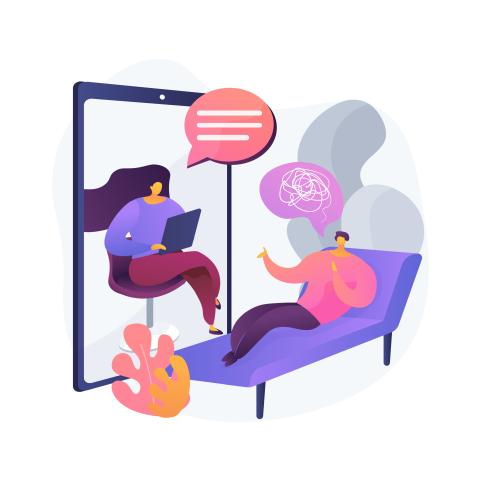
These applications allow users to connect with licensed therapists through video calls, chat, or voice consultations.
Key functionalities include:
Meditation and Mindfulness Apps
These apps help users manage stress, anxiety, and sleep disorders through guided exercises and wellness programs.
Common features include:
Breathing exercises
Sleep sounds
Meditation sessions
Daily wellness reminders
Mood improvement programs
Mood Tracking Applications
Mood tracking apps monitor emotional patterns and help users identify triggers affecting their mental well-being.
Features include:
Emotional journaling
Mood analytics
Daily wellness reports
AI-based recommendations
Cognitive Behavioral Therapy Apps
CBT-based applications provide structured mental health exercises that help users manage anxiety, depression, and negative thinking patterns.
Mental Wellness Apps for Enterprises
Many organizations now invest in employee wellness platforms to improve productivity and mental health support.
These platforms often include:
Stress management tools
Corporate wellness programs
Counseling sessions
Burnout prevention systems
Essential Features of Mental Health App Development Solutions
A successful mental health app must prioritize user engagement, data security, and healthcare compliance.
User Registration and Profiles
Users should be able to securely create accounts and manage their personal information.
AI-Powered Chatbots
AI-based chatbots provide immediate mental wellness support and guide users toward appropriate care services.
Video and Audio Consultations
Integrated telehealth functionality enables secure therapist-patient communication.
Mood Tracking and Journaling
These features help users monitor emotional health and identify behavioral trends.
Appointment Scheduling
Patients can easily book consultations with therapists and mental health professionals.
Push Notifications
Notifications help improve user engagement by sending reminders for therapy sessions, medication, meditation, or wellness activities.
Wearable Device Integration
Integration with smartwatches and fitness trackers enables monitoring of sleep, stress levels, and activity patterns.
Secure Payment Gateway
Mental health applications often require integrated payment systems for subscriptions and consultations.
Analytics Dashboard
Healthcare providers benefit from analytics tools that track patient engagement and treatment progress.
Importance of HIPAA Compliance in Mental Health App Development
Security and compliance are critical in healthcare app development. Since mental health apps handle sensitive patient information, strict regulatory standards must be followed.
A reliable mental health application development company ensures compliance with:
HIPAA
HITECH
GDPR
HL7 and FHIR standards
SOC 2
ISO 27001
HIPAA compliance is especially important for applications operating in the United States healthcare sector.
Key HIPAA security measures include:
End-to-end encryption
Multi-factor authentication
Secure cloud storage
Role-based access control
Audit logs
Secure APIs
Healthcare organizations should prioritize experienced development partners with strong expertise in healthcare compliance and cybersecurity.
Benefits of Hiring a Mental Health App Development Company
Industry Expertise
An experienced mental health app development company understands healthcare workflows, patient behavior, and regulatory requirements.
Faster Time to Market
Professional development teams use agile methodologies to accelerate product launches.
Scalable Architecture
Scalable applications support future feature upgrades, increased users, and multi-platform integrations.
Better User Experience
Healthcare-focused UI/UX design improves patient engagement and app retention.
Advanced Technology Integration
Professional developers integrate AI, machine learning, IoT, cloud infrastructure, and telehealth systems effectively.
Improved Patient Engagement
Interactive features and personalized experiences encourage consistent app usage and wellness improvement.
Mental Health App Development Cost
The cost of developing a mental health application depends on several factors, including complexity, features, compliance requirements, and development location.
Basic Mental Health App
Estimated cost range:
$25,000 to $50,000
Includes:
User registration
Basic wellness tracking
Simple UI
Notifications
Mid-Level Teletherapy App
Estimated cost range:
$50,000 to $120,000
Includes:
Video consultations
Appointment scheduling
Payment gateway
Therapist dashboard
Advanced AI-Powered Mental Health Platform
Estimated cost range:
$120,000 to $300,000+
Includes:
AI chatbots
Predictive analytics
Wearable integration
EHR integration
Multi-language support
Enterprise-level scalability
Additional cost factors include:
HIPAA compliance implementation
Cloud hosting
Third-party API integration
Ongoing maintenance
Security testing
AI model training
Use Cases of Mental Health Applications
Hospitals and Clinics
Healthcare providers use mental health applications to offer remote counseling and patient monitoring services.
Startups
Digital health startups are investing heavily in AI-based emotional wellness platforms.
Corporate Wellness Programs
Enterprises use mental health apps to support employee wellness and reduce burnout.
Educational Institutions
Schools and universities use wellness applications to support student mental health.
Rehabilitation Centers
Mental health platforms assist in therapy management and addiction recovery monitoring.
Emerging Trends in Mental Health App Development
AI-Based Emotional Intelligence
AI systems are increasingly being used to detect emotional states and provide personalized wellness recommendations.
Voice Recognition Technology
Voice analysis tools help identify stress, anxiety, and depression indicators.
Virtual Reality Therapy
VR-powered therapy sessions are improving treatment experiences for anxiety disorders and PTSD patients.
Gamification
Gamified wellness experiences improve patient engagement and therapy adherence.
Personalized Mental Wellness Plans
AI and predictive analytics help create customized treatment journeys for individual users.
Integration with Electronic Health Records
Seamless EHR integration improves collaboration between therapists, hospitals, and healthcare systems.
How to Choose the Right Mental Health Application Development Company
Selecting the right technology partner is crucial for project success.
Consider the following factors:
Healthcare Industry Experience
Choose a company with proven expertise in healthcare and mental health application development.
Compliance Knowledge
Ensure the company understands HIPAA, GDPR, and healthcare security requirements.
Technical Capabilities
Review their expertise in AI, telehealth, cloud computing, and scalable app architecture.
Portfolio and Case Studies
Analyze previous healthcare projects and client testimonials.
Post-Launch Support
Reliable maintenance and ongoing technical support are essential for healthcare platforms.
A trusted mental health application development company can help businesses build secure, scalable, and user-friendly healthcare applications tailored to modern patient expectations.
Future of Mental Health App Development
The future of digital mental healthcare looks highly promising as AI, telehealth, and wearable technologies continue to evolve.
Healthcare organizations are increasingly adopting digital mental wellness platforms to improve accessibility, reduce operational costs, and deliver personalized care experiences.
Future innovations may include:
AI-powered therapy assistants
Predictive mental health analytics
Advanced remote patient monitoring
Blockchain-based healthcare security
Emotion recognition systems
Hyper-personalized treatment plans
Businesses investing in mental health app development solutions today can gain a strong competitive advantage in the rapidly growing digital healthcare market.
FAQs
What does a mental health app development company do?
A mental health app development company designs and develops healthcare applications focused on emotional wellness, teletherapy, mood tracking, meditation, and behavioral healthcare services.
How much does mental health app development cost?
The cost typically ranges from $25,000 to $300,000 or more depending on features, AI integration, compliance requirements, and application complexity.
Why is HIPAA compliance important for mental health apps?
HIPAA compliance protects sensitive patient health information and ensures secure data handling for healthcare applications operating in the United States.
What technologies are used in mental health app development solutions?
Common technologies include AI, cloud computing, React Native, Flutter, telehealth APIs, wearable integrations, and predictive analytics platforms.
Can AI improve mental health applications?
Yes, AI can enhance mental health applications through personalized recommendations, emotional analysis, virtual assistants, predictive insights, and automated patient engagement.