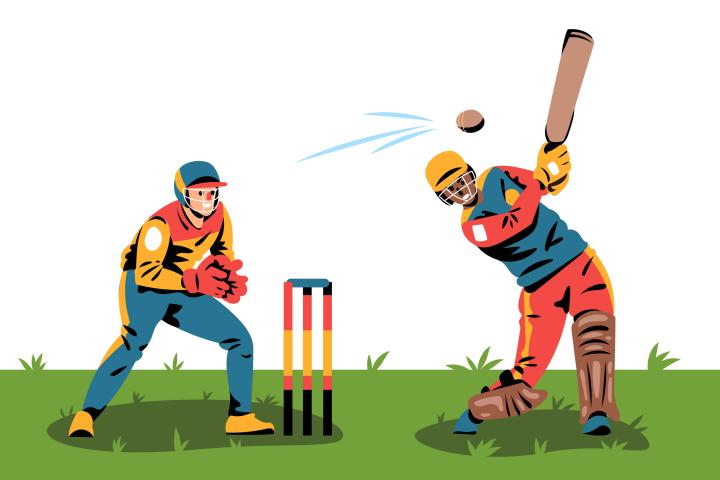

Modern cricket revolves around scoring runs efficiently, but teams and players often follow two different batting approaches: strike rotation and boundary hitting. Some batters focus on keeping the scoreboard moving through singles and doubles, while others prioritize clearing boundaries and increasing scoring rates rapidly. Both methods are crucial across formats such as Test cricket, ODIs, T20 internationals, and the Indian Premier League. Indian cricket fans regularly debate which batting >
Strike Rotation Overview
Strike rotation refers to the ability of batters to score consistently by taking singles, doubles, and occasional quick runs between wickets. This approach focuses on maintaining momentum without relying entirely on boundaries. Batters who excel at strike rotation usually possess strong fitness, excellent game awareness, and calm decision-making under pressure.
Players such as Virat Kohli and Kane Williamson are widely admired for their ability to rotate strike effectively while building partnerships. These batters rarely allow bowlers to settle because they constantly find gaps and keep the scoreboard moving.
Strike rotation becomes especially important during middle overs when field placements spread out and boundaries become harder to score. By consistently collecting singles and doubles, batters reduce pressure and force bowlers to change plans frequently. This strategy also helps preserve wickets because players avoid unnecessary risky shots.
Another major advantage of strike rotation is partnership building. Batters who communicate well and run aggressively between wickets often create confusion for fielding teams. In ODI cricket and Test matches, rotating strike allows partnerships to grow steadily while tiring bowlers physically and mentally.
Strike rotation is also highly valuable on difficult pitches where boundary hitting becomes risky. On slower or turning surfaces, patient batting and smart running between wickets often produce better results than aggressive power hitting.
Modern T20 cricket has increased the importance of strike rotation because teams now understand that maintaining momentum between boundaries is essential. Even explosive batters are expected to rotate strike efficiently rather than depending only on sixes and fours.
Captains and coaches place strong emphasis on running fitness and awareness because poor strike rotation can create pressure during important phases of innings. Fans following batting partnerships, tactical cricket analysis, and live scoring discussions often stay updated through platforms like reddy anna book during IPL seasons and international tournaments.
Boundary Hitting Overview
Boundary hitting focuses on maximizing scoring through fours and sixes rather than relying heavily on running between wickets. This approach has become increasingly dominant in modern T20 cricket because shorter formats reward aggressive batting and rapid scoring rates.
Players such as Suryakumar Yadav and Glenn Maxwell are famous for their ability to score boundaries consistently using innovative stroke play and fearless aggression. Boundary hitters often attack bowlers from the beginning of innings to create immediate pressure.
One major advantage of boundary hitting is momentum creation. A few big overs filled with boundaries can completely shift match situations and demoralize bowling attacks. In T20 cricket especially, explosive batting frequently decides games within short periods.
Boundary hitting also reduces dependence on running between wickets, which becomes useful under pressure situations or against strong fielding sides. Batters capable of clearing boundaries regularly can chase high totals quickly and maintain required run rates effectively.
Power hitting requires exceptional timing, strength, and shot selection. Modern batters train specifically to improve bat speed and range hitting, allowing them to target different areas of the ground. IPL franchises heavily value finishers and aggressive middle-order players because rapid scoring during death overs often determines match outcomes.
However, aggressive boundary-focused batting carries greater risks. Mistimed shots can easily lead to dismissals, especially on difficult pitches or against quality bowling attacks. Teams relying too heavily on boundary hitting sometimes collapse quickly if wickets fall during attacking phases.
Another challenge is adaptability. Boundary hitters may struggle in conditions where large boundaries, slower pitches, or disciplined bowling reduce scoring opportunities. Successful modern batters therefore combine power hitting with strike rotation to maintain balance.
Head-to-Head Comparison Table
Both approaches remain equally important because successful innings usually combine smart strike rotation with timely boundary hitting.
Which One Matters More for Modern Cricket
In modern T20 cricket and the IPL, boundary hitting has become slightly more influential because aggressive scoring rates dominate shorter formats. Teams now prioritize players capable of clearing boundaries regularly during powerplays and death overs.
However, strike rotation remains extremely important because boundaries alone cannot sustain innings consistently. Successful teams understand that momentum between boundaries often decides close matches. Batters who combine intelligent running with aggressive hitting are considered the most complete players in modern cricket.
In ODI cricket and Test matches, strike rotation may actually hold greater long-term value because patience and partnership-building become more important over extended innings. Teams that rotate strike effectively usually avoid pressure situations and maintain scoreboard control more consistently.
Indian cricket has benefited greatly from players capable of balancing both methods. Modern coaching systems increasingly train batters to adapt between strike rotation and boundary hitting depending on conditions and match requirements. Fans discussing batting tactics, scoring patterns, and player performances frequently follow live cricket updates through services like reddy anna login during tournaments.
FAQ
Why is strike rotation important in cricket?
Strike rotation keeps the scoreboard moving and reduces pressure on batters during long innings.
Why do T20 teams value boundary hitters?
Boundary hitters can rapidly increase scoring rates and change match momentum within a few overs.
Can batters succeed using only one approach?
Usually not. Modern cricket rewards players who balance strike rotation with boundary-scoring ability.
Conclusion
Strike rotation and boundary hitting represent two essential batting philosophies in modern cricket. Strike rotation provides stability, momentum, and partnership-building, while boundary hitting creates pressure, acceleration, and game-changing moments. Successful teams and players usually combine both approaches effectively across formats and conditions. Understanding these differences helps fans appreciate the tactical complexity behind batting strategies in IPL and international cricket. Many supporters also stay updated with cricket analysis and tournament discussions through laser247. This service is available to users aged 18 and above only. Please gamble responsibly.