The Importance of Automating 5 axis Machining in Modern Manufacturing
Manufacturing is undergoing a rapid transformation, and at the centre of this shift is Automating 5 axis Machining. As components become more complex and tolerances become tighter, traditional manual processes are increasingly struggling to keep pace. In response, manufacturers are turning to smarter, data-driven production methods that improve consistency, efficiency, and quality.
Why Automating 5 axis Machining matters more than ever
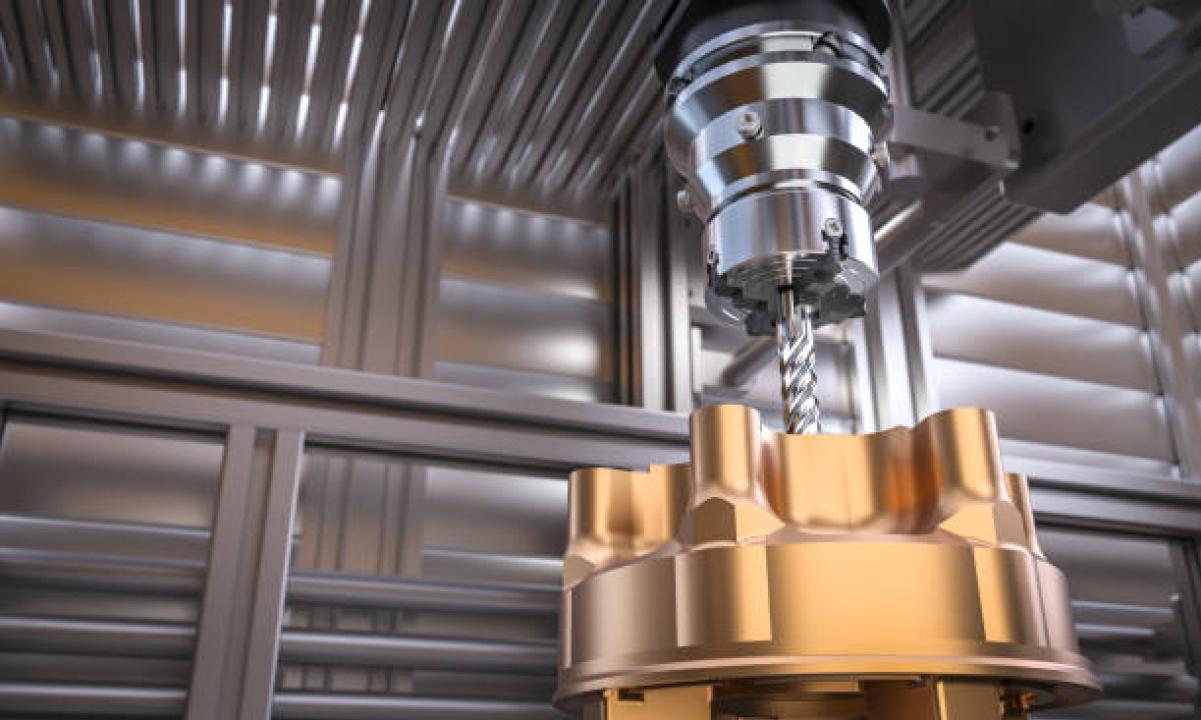
5-axis machining is already one of the most advanced forms of CNC manufacturing, allowing tools to move across five different axes simultaneously. However, this flexibility also introduces complexity. Manual setup, alignment, and calibration can be time-consuming and prone to error. This is where Automating 5 axis Machining becomes essential.
By reducing manual intervention, manufacturers can achieve more reliable outcomes while maintaining the precision required for high-performance industries such as aerospace, medical, and automotive engineering.
Improving accuracy and reducing scrap
One of the most significant advantages of Automating 5 axis Machining is the improvement in part quality. Human error during setup or probing can lead to misalignment, resulting in defective components and wasted materials.
Automation ensures repeatable processes, meaning every part is produced under consistent conditions. This significantly reduces scrap rates and improves first-time-right manufacturing, which is critical in high-value production environments.
Increasing efficiency and machine uptime
Time is one of the most valuable resources in any machining operation. Manual setup procedures often result in machines sitting idle while operators complete complex calibration tasks.
With Automating 5 axis Machining, setup times are dramatically reduced. Machines spend more time cutting and less time waiting, leading to higher spindle utilisation and improved throughput. Over time, this translates into more efficient production schedules and lower operational costs.
Enabling 24/7 production capabilities
A major advantage of Automating 5 axis Machining is the ability to support lights-out manufacturing. Once processes are automated and validated, machines can run unattended for extended periods, including overnight or during weekends.
This continuous operation model allows manufacturers to dramatically increase output without requiring additional labour resources, making it a key strategy for scaling production.
Addressing skills shortages in manufacturing
Across the industry, there is a growing shortage of skilled CNC operators. Complex machine setups traditionally require experienced technicians, which are becoming harder to find.
Automating 5 axis Machining helps reduce this dependency by simplifying key processes. Tasks that once required specialist knowledge can now be executed through automated routines, allowing less experienced operators to manage production effectively while freeing skilled staff for higher-value engineering tasks.
Enhancing safety on the shopfloor
Safety is another critical benefit of Automating 5 axis Machining. Manual intervention often requires operators to work inside machine environments, increasing exposure to potential hazards.
Automation enables closed-door machining processes, reducing the need for direct interaction with moving components. This creates a safer working environment and lowers the risk of workplace incidents.
Improving visibility and process control
Modern automation systems used in Automating 5 axis Machining also provide real-time data on machine performance and part accuracy. This allows manufacturers to detect issues early, such as tool wear or misalignment, before they result in defective parts.
Better visibility leads to more informed decision-making, improved process control, and greater confidence in production outcomes.
Conclusion
In today’s competitive manufacturing landscape, Automating 5 axis Machining is no longer just an efficiency upgrade—it is a strategic necessity. From improving accuracy and productivity to enhancing safety and addressing skills shortages, automation delivers measurable benefits across every stage of production.
As part complexity continues to increase, manufacturers that embrace Automating 5 axis Machining will be better positioned to achieve consistent quality, reduce costs, and scale operations effectively.