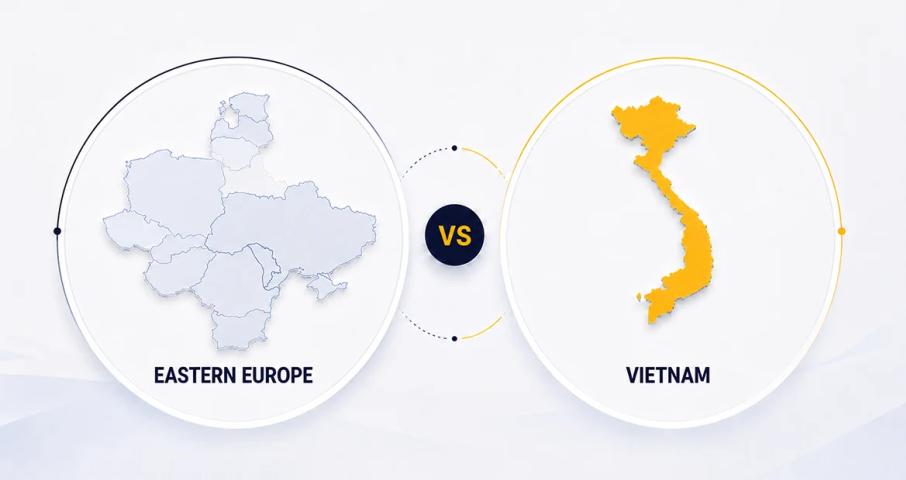

Many companies want to grow in Eastern Europe. The region offers skilled professionals, competitive costs, and strong technical talent. However, one challenge appears quickly. Businesses often want to hire employees without entity but do not have a legal company registered in the country where they want to hire.
This situation is common for startups, SaaS companies, agencies, and growing international businesses. They find great candidates in countries like Poland, Romania, Bulgaria, Hungary, and the Czech Republic. Yet they are unsure how to employ those workers legally.
The good news is that there are several ways to hire employees without entity while staying compliant with local laws. Companies can use employer services, staffing partners, contractors, or local specialists that manage employment on their behalf.
In this article, we will look at the most practical options available today. We will discuss benefits, risks, costs, and what businesses should consider before making a decision.
Why Eastern Europe Attracts International Companies
Eastern Europe has become one of the most popular regions for international hiring.
Businesses choose the region because it offers a combination of talent and affordability. Many professionals speak English and have experience working with global teams.
Some of the biggest advantages include:
Strong technical and engineering talent
Competitive salary expectations
Good time zone overlap with Europe
Growing startup ecosystems
High education standards
Large pool of remote workers
Similarly, many companies find it easier to scale teams in Eastern Europe compared to some Western European markets where labor costs are much higher.
Because of these benefits, many organizations actively look for ways to hire employees without entity in multiple Eastern European countries.
Why Hiring Without a Local Company Can Be Difficult
Every country has employment laws.
When a business hires workers directly, it usually needs a legal presence in that country. This includes registering taxes, handling payroll, and following local labor regulations.
Without a registered company, employers may face challenges such as:
Payroll compliance
Tax reporting
Employment contracts
Social security contributions
Worker benefits
Termination requirements
However, companies still have options. They do not always need to establish a legal entity before hiring talent.
That is why many organizations look for methods to hire employees without entity while reducing administrative work.
Employer of Record Services as a Popular Solution
One of the most common approaches is using an Employer of Record, often called an EOR.
An EOR becomes the legal employer in the worker's country. The employee performs work for your company, but the EOR handles employment compliance.
This model allows businesses to hire employees without entity in countries across Eastern Europe.
The Employer of Record typically manages:
Employment contracts
Payroll
Tax filings
Benefits administration
Local compliance
Employee onboarding
For many growing companies, this is the fastest route to international hiring.
Likewise, businesses avoid spending months creating a local legal structure.
Benefits of Using an EOR
There are several reasons companies choose this model.
First, it reduces legal complexity.
Second, it speeds up hiring.
Third, it lowers the risk of compliance mistakes.
Many founders prefer this option because they can focus on growing the business instead of managing employment regulations.
As a result, EOR services have become one of the easiest ways to hire employees without entity in Eastern Europe.
Working With Independent Contractors
Another option is hiring contractors.
Instead of employing workers directly, businesses sign service agreements with independent professionals.
This model is often used for:
Software development
Design projects
Marketing services
Consulting work
Content creation
Admittedly, contractor arrangements can be simpler than formal employment.
However, companies must be careful.
Some countries have strict rules regarding worker classification. If a contractor works like a full-time employee, authorities may consider them an employee.
This can create compliance issues later.
Because of this, businesses should review local regulations before choosing contractors as a long-term solution to hire employees without entity.
Using Staffing Partners and Recruitment Specialists
Many international companies work with staffing firms.
These organizations recruit candidates and sometimes employ them through local structures.
This approach can help businesses enter new markets quickly.
A staffing partner may assist with:
Candidate sourcing
Screening
Interviews
Payroll support
Local market knowledge
In comparison to building an internal recruitment team, staffing partners can shorten hiring timelines significantly.
Many firms that provide outsourcing companies team extension europe services operate using this model. They help businesses expand teams while reducing operational burden.
How Team Extension Models Work
Team extension has become increasingly popular among software and technology companies.
Instead of hiring an entire local workforce independently, companies add specialists through external partners.
The professionals work closely with the client's internal team.
The process usually looks like this:
The company defines required roles.
The partner sources candidates.
Interviews are conducted jointly.
Selected professionals join the project.
Daily work is managed by the client.
Many providers offering outsourcing companies team extension europe solutions focus on developers, engineers, designers, and product specialists.
Similarly, companies gain flexibility because they can scale teams based on project needs.
For businesses entering Eastern Europe for the first time, outsourcing companies team extension europe services can reduce both risk and hiring delays.
Comparing EOR, Contractors, and Team Extension
Each hiring model serves different business goals.
Here is a simple comparison.
Employer of Record
Best for:
Full-time employees
Long-term hiring
Compliance-focused growth
Advantages:
Legal employment
Local compliance support
Employee benefits
Challenges:
Monthly service fees
Independent Contractors
Best for:
Short-term projects
Specialized expertise
Flexible engagements
Advantages:
Fast setup
Lower administration
Challenges:
Worker classification risks
Team Extension
Best for:
Technology projects
Rapid scaling
Product development
Advantages:
Access to skilled talent
Faster recruitment
Challenges:
Dependence on external partner
The right choice depends on business goals, budget, and hiring timeline.
Hiring Sales Talent in Eastern Europe
Many businesses focus on technical roles. However, sales hiring is becoming increasingly important.
Eastern Europe has a growing number of multilingual sales professionals who work with international markets.
Companies selling SaaS, professional services, and B2B products often look for sales representatives in the region.
In these situations, partnering with a sales agency europe provider can be useful.
A sales agency europe partner may help with:
Lead generation
Appointment setting
Sales outreach
Market research
Local market expansion
This approach allows companies to test a market before investing heavily in direct hiring.
Likewise, businesses can evaluate demand before opening local operations.
Legal Considerations Before Hiring
Before making hiring decisions, companies should assess legal obligations carefully.
Important areas include:
Tax requirements
Data protection rules
Employment regulations
Intellectual property ownership
Contract structure
Many companies rush into international hiring and address compliance later. Unfortunately, this can create problems.
Instead, businesses should work with qualified professionals who understand local regulations.
Whether you use an EOR, contractor agreement, or staffing model, legal review remains important.
This becomes especially relevant when trying to hire employees without entity across multiple countries.
Cost Factors to Consider
Costs vary depending on the hiring method selected.
Employer of Record services typically charge monthly fees.
Contractors may have higher hourly rates but fewer administrative expenses.
Team extension providers often charge a service margin on top of salaries.
Businesses should evaluate:
Salary expectations
Recruitment costs
Payroll administration
Compliance expenses
Employee benefits
Partner service fees
Despite these costs, many organizations find Eastern Europe remains cost-effective compared to several Western markets.
However, hiring decisions should not focus only on salary savings.
Quality, retention, and productivity matter just as much.
Common Mistakes Companies Make
When entering Eastern Europe, businesses sometimes make avoidable mistakes.
Some of the most common include:
Ignoring Local Labor Laws
Employment regulations differ significantly between countries.
A process that works in one market may not work in another.
Choosing the Cheapest Option
Low cost does not always mean good value.
Poor hiring decisions can lead to turnover and project delays.
Misclassifying Contractors
This is one of the biggest compliance risks.
Companies should confirm contractor arrangements meet local requirements.
Rushing Recruitment
Fast hiring is helpful.
Still, taking time to assess skills and cultural fit often produces better results.
Failing to Plan Long-Term Growth
Some organizations initially hire employees without entity and later realize they need a permanent local presence.
Planning ahead can prevent expensive transitions.
Building a Sustainable Hiring Strategy
A strong hiring strategy starts with clear goals.
Ask questions such as:
How many people will be hired?
Which countries are being targeted?
Is growth short-term or long-term?
What level of compliance support is needed?
The answers help determine the best hiring model.
For example, a startup hiring one developer may choose an EOR.
A larger company scaling twenty engineers may prefer outsourcing companies team extension europe solutions.
Likewise, a business testing a new market may partner with a sales agency europe provider before hiring an internal sales team.
The important thing is choosing a structure that supports both current and future needs.
When It Makes Sense to Create a Local Entity
Although many companies start by trying to hire employees without entity, there may come a point when creating a local company becomes worthwhile.
This often happens when:
Team size grows significantly
Long-term market presence is planned
Revenue is generated locally
Operational complexity increases
Creating a legal entity requires more administration.
However, it may provide greater control over employment and operations in the future.
Many successful international companies begin with EOR or staffing models and later establish local offices once growth becomes stable.
Conclusion
Eastern Europe remains one of the most attractive regions for international hiring. Businesses gain access to skilled professionals, competitive labor markets, and strong educational backgrounds.
Fortunately, it is possible to hire employees without entity through several practical solutions. Employer of Record services, contractor arrangements, staffing partners, and team extension models all provide pathways for international growth.
The best approach depends on your goals, timeline, and budget. Some companies use an EOR to hire employees without entity quickly. Others rely on outsourcing companies team extension europe providers to scale technical teams. Meanwhile, businesses entering new markets may benefit from working with a sales agency europe partner before building an internal sales function.
By evaluating compliance requirements, costs, and long-term plans carefully, companies can hire employees without entity successfully and build strong teams throughout Eastern Europe.