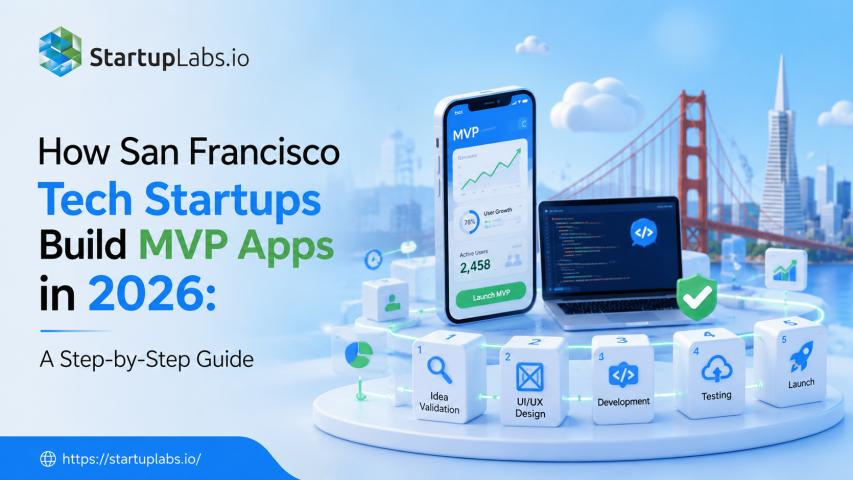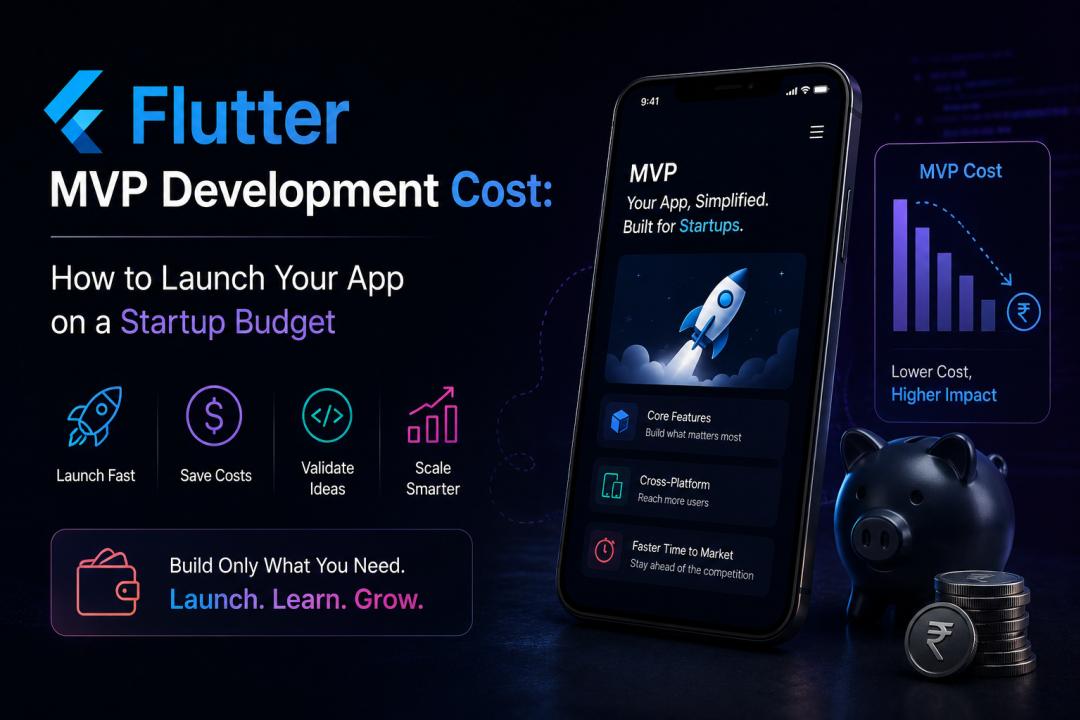
Building a minimum viable product (MVP) is the fastest way for startups to test ideas, attract early users, and begin collecting feedback without overspending. For many early-stage teams, choosing the right technology and estimating costs accurately are key to staying within budget and moving quickly. Flutter is a top choice for startups because it lets you build cross-platform apps from a single codebase, reducing development time and cost. This guide breaks down typical costs, where to save, and how to get a market-ready Flutter MVP without breaking the bank.
Why choose Flutter for your MVP
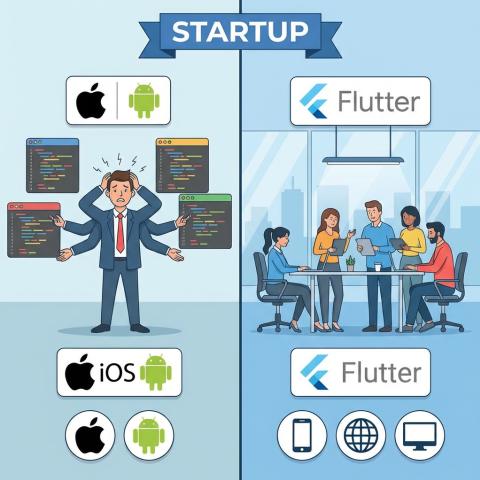
Flutter app Development Services are popular for startups because they allow you to produce both Android and iOS apps using one team and shared code. That reduces duplicated work and cuts maintenance overhead after launch. Flutter also offers fast iteration for UI changes, access to native device features via plugins, and strong performance on modern devices. For startups focused on speed and cost control, these advantages make Flutter a practical option for an MVP.
How to define an MVP that keeps costs low
- Focus on core features only. List the absolute must-have functions that validate your idea (onboarding, main user flow, account management, and one or two key features that prove value)
- Use simple UI and UX. A clean, clear interface that supports testing is better than a polished design that delays release.
- Reuse components. Use open-source packages and existing UI libraries to cut dev hours.
- Plan iterative releases. Start with a basic launch, gather feedback, then add improvements in planned sprints.
Typical cost breakdown for a Flutter MVP
Costs vary by region and team composition. Below is a broad estimate to help you plan.
- Discovery and planning (1–2 weeks): $500–$2,000. Includes requirement writing, user flows, and initial technical choices.
- UI/UX design (2–4 weeks): $1,000–$5,000. Basic screens and user flows; higher cost if you hire a senior designer.
- Front-end development (4–10 weeks): $5,000–$30,000. Building Flutter screens, navigation, and client-side logic.
- Back-end development (4–12 weeks): $3,000–25,000. API design, database, hosting setup; can be cheaper if you use BaaS (Firebase, Supabase).
- QA and testing (2–4 weeks): $1,000–$5,000. Manual and automated testing across devices.
- Deployment and store fees: $50–$200. App Store and Google Play developer accounts plus initial publishing work.
- Ongoing hosting and maintenance (monthly): $20–$300+. Depends on backend choice and traffic.
These ranges reflect typical small-team or agency rates. A lean MVP might fit a $7k–$15k budget if you prioritize core features and use managed backend services. More ambitious MVPs with custom backends or advanced integrations can rise to $30k+.
Ways to reduce Flutter MVP costs
- Use Firebase or Supabase: Managed backends speed up development and lower server costs for early users.
- Limit device support: Start with the most common screen sizes and OS versions, then expand after launch.
- Adopt modular development: Break the project into modules so you can defer nonessential parts to later sprints.
- Hire a small, experienced team: Senior developers and a focused PM can ship faster than a larger, less organized group.
- Use open-source solutions: Libraries for authentication, analytics, and payments reduce build time.
- Outsource to cost-effective regions: Engage trusted Flutter developers in regions with lower rates, while keeping communication tight.
Time estimates and team roles
A typical small-team MVP project includes:
- Product manager / BA: coordinates requirements and scope.
- UI/UX designer: creates basic flows and screens.
- 1–2 Flutter developers: build the app UI and client logic.
- 1 backend developer or DevOps: sets up APIs and hosting, or you use BaaS.
- QA engineer or tester: validates functionality and performance.
A simple MVP often takes 8–12 weeks from discovery to launch. If you compress the timeline, expect higher hourly costs or tradeoffs in features and testing.
Hidden costs to watch for
- Third-party fees: payment processors, push notification services, analytics, or specialized APIs.
- Licensing: paid libraries or SDKs for certain features.
- App store rejections: time spent fixing issues can increase costs.
- Post-launch fixes and monitoring: user feedback often triggers rapid updates.
- Legal and compliance: privacy policy, terms of service, and data protection costs if applicable.
Measuring success and next steps after MVP launch
Define measurable goals before launch—user signups, retention after 7 days, conversion rates, or revenue per user. An MVP’s point is to learn quickly with real users. Use analytics to track your metrics, gather user feedback, and prioritize features for subsequent releases. If core metrics show promise, plan for scaling, performance optimization, or new platform support.
How to choose a Flutter development partner
- Look for portfolio items: real Flutter apps in stores that match your required complexity.
- Check client feedback and technical case studies.
- Confirm communication and project management >
- Verify testing practices: device testing matrix, automated tests, and performance checks.
- Compare pricing models: fixed scope vs hourly vs milestone-based contracts.
When you evaluate mobile app development services, ask how the team reduces risk and keeps costs predictable while handling post-launch support.
Cost scenario examples (short)
- Basic social app MVP: core profiles, messaging, feed. Estimated cost: $10k–$18k, 10–12 weeks.
- Marketplace MVP: listings, search, payments, simple backend. Estimated cost: $15k–$30k, 12–16 weeks.
- Utility app with device integrations: geolocation, camera. Estimated cost: $12k–$25k, 10–14 weeks.
If you’re ready to move from idea to a working Flutter MVP on a startup budget, a focused development partner can guide scope, pick cost-saving technologies, and get your app into users’ hands quickly. For professional assistance with Flutter app development and end-to-end delivery, consider Flutter app Development from WebClues Infotech. Their teams specialize in building efficient MVPs that fit startup constraints while keeping future growth in mind.
If you want a rough cost estimate for your concept, project scope checklist, or a quote for an MVP, contact us and we’ll provide a tailored plan and timeline based on your needs.