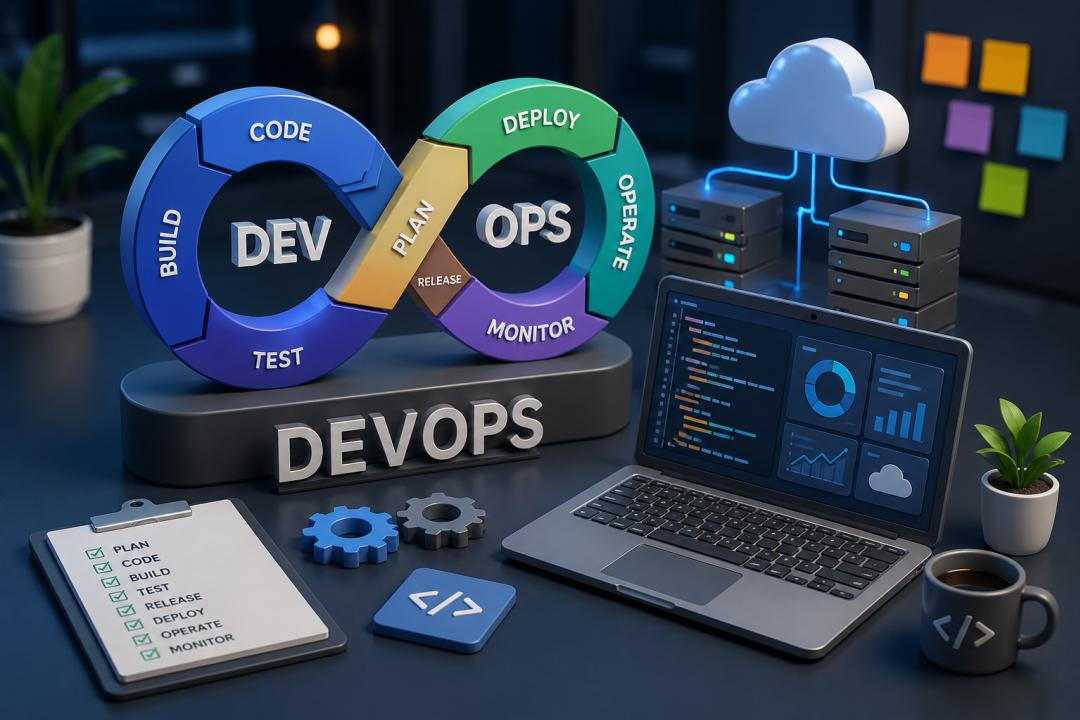
Modern software development demands speed, reliability, and continuous innovation. Organizations that struggle with lengthy deployment cycles, infrastructure challenges, and operational inefficiencies often find it difficult to remain competitive. This is where DevOps Consulting & Training plays a crucial role. By combining technical expertise, automation strategies, and team enablement, businesses can streamline development workflows and improve collaboration across departments.
A well-implemented DevOps culture helps organizations reduce downtime, accelerate releases, and maintain consistent quality. Whether you're a startup scaling rapidly or an enterprise modernizing legacy systems, adopting proven DevOps practices can significantly enhance operational performance. This guide explores the key benefits, implementation strategies, and considerations for building high-performing teams through effective DevOps adoption.
Why DevOps Matters in Modern Organizations
Digital transformation has increased the demand for faster software delivery without compromising quality. Traditional development and operations models often create bottlenecks due to disconnected processes and communication gaps.
DevOps addresses these challenges by promoting:
- Continuous integration and continuous delivery (CI/CD)
- Infrastructure automation
- Enhanced collaboration between teams
- Faster issue detection and resolution
- Improved software reliability
Organizations that embrace modern delivery practices often experience shorter release cycles, greater system stability, and improved customer satisfaction.
Key Components of Successful DevOps Implementation
Implementing DevOps goes beyond deploying automation tools. It requires a combination of culture, processes, and technology.
Automation and Continuous Delivery
Automation eliminates repetitive manual tasks and reduces deployment errors. CI/CD pipelines enable teams to test, build, and release applications efficiently while maintaining quality standards.
Infrastructure as Code (IaC)
Infrastructure as Code allows organizations to manage servers, networks, and cloud resources through version-controlled configurations. This approach improves consistency and simplifies environment management.
Monitoring and Observability
Continuous monitoring provides visibility into system performance, application health, and user experience. Proactive monitoring helps teams identify and resolve issues before they impact customers.
Security Integration
Modern DevOps practices incorporate security throughout the software development lifecycle. This approach, often referred to as DevSecOps, helps organizations detect vulnerabilities early and strengthen overall security posture.
The Value of DevOps Consulting and Team Training
Technology alone cannot drive transformation. Skilled teams are essential for achieving sustainable results.
Comprehensive DevOps Consulting & Training programs help organizations:
- Assess current workflows and identify gaps
- Build scalable automation strategies
- Improve cloud adoption initiatives
- Strengthen collaboration between development and operations teams
- Establish best practices for deployment and monitoring
Training also empowers employees to understand modern tools, methodologies, and governance frameworks, creating long-term operational efficiency.
Building High-Performance Teams Through DevOps
High-performing teams share common characteristics: collaboration, accountability, and continuous improvement.
Encourage Cross-Functional Collaboration
Successful teams eliminate departmental silos. Developers, operations engineers, QA specialists, and security professionals work together throughout the software lifecycle.
Focus on Continuous Learning
Technology evolves rapidly. Regular workshops, certifications, and hands-on learning opportunities help teams stay current with industry best practices.
Measure Performance Effectively
Organizations should track meaningful metrics such as:
- Deployment frequency
- Lead time for changes
- Mean time to recovery (MTTR)
- Change failure rate
These indicators provide valuable insights into operational maturity and areas for improvement.
Choosing the Right DevOps Partner
Selecting an experienced consulting provider is a critical decision. Businesses should evaluate partners based on expertise, implementation methodology, and proven success in similar environments.
Consider the following factors:
- Industry-specific experience
- Cloud platform expertise
- Security and compliance knowledge
- Training and knowledge transfer capabilities
- Long-term support and optimization services
A trusted partner can help organizations avoid common implementation challenges and accelerate their transformation journey.
Expert Buying Tips
Before investing in DevOps Consulting & Training, consider these practical recommendations:
- Define clear business objectives and success metrics.
- Evaluate your organization's current DevOps maturity level.
- Prioritize cultural transformation alongside technology adoption.
- Ensure training programs include hands-on practical exercises.
- Choose consultants with expertise in cloud, automation, and security.
- Focus on long-term knowledge transfer rather than short-term implementation.
These steps can help maximize return on investment and support sustainable growth.
Frequently Asked Questions
What is DevOps consulting?
DevOps consulting involves assessing, designing, and implementing processes that improve collaboration, automation, and software delivery across development and operations teams.
Why is DevOps training important?
Training helps teams understand modern practices, automation tools, cloud technologies, and deployment strategies, enabling successful adoption and long-term improvement.
How does DevOps improve software delivery?
DevOps streamlines development workflows through automation, continuous integration, and continuous deployment, reducing delays and improving reliability.
Which industries benefit from DevOps?
Industries such as healthcare, finance, retail, manufacturing, and technology benefit from faster deployments, improved security, and greater operational efficiency.
How long does DevOps implementation take?
Implementation timelines vary based on organizational complexity, existing infrastructure, and transformation goals. Many organizations see measurable improvements within a few months.
Conclusion
Organizations seeking faster innovation and greater operational efficiency can benefit significantly from adopting modern DevOps practices. Effective automation, continuous monitoring, infrastructure management, and team collaboration create the foundation for sustainable growth and reliable software delivery.
Businesses looking to strengthen their development capabilities can explore expert guidance from experienced providers such as Tantrija. With the right strategy, tools, and team enablement, organizations can unlock the full potential of DevOps and build resilient, high-performance technology environments.