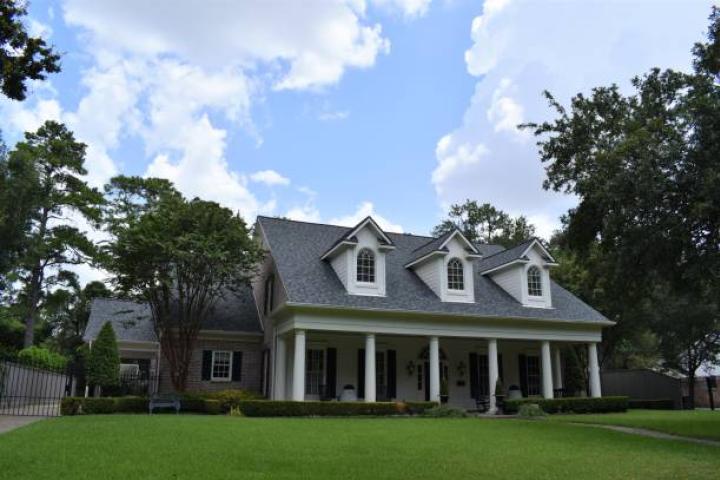
East Texas has long held a reputation for wide-open spaces, fertile land, and a slower pace of life that appeals to buyers looking beyond urban property markets. From working ranches and recreational tracts to long-term investment acreage, the region offers a diverse mix of opportunities for land ownership. Whether you’re planning to build a homestead, expand agricultural operations, or simply invest in rural real estate, understanding the local landscape is key to making a smart purchase.
This guide breaks down what makes East Texas attractive, what to evaluate when browsing properties, and how to approach the buying process with clarity and confidence.
Why East Texas Continues to Attract Land Buyers
One of the biggest draws of East Texas is its combination of affordability and usability. Compared to many other regions in the United States, land prices in East Texas are often more accessible, especially for larger acreage parcels. That affordability allows buyers to consider properties that might be out of reach elsewhere.
Beyond pricing, the land itself is versatile. The region features a mix of pine forests, rolling pastures, and fertile soil suitable for livestock, farming, or timber production. Many buyers are also drawn to the climate, which supports year-round outdoor activity and agricultural use.
Other key advantages include:
Diverse property types: From small recreational lots to multi-hundred-acre ranches
Wildlife opportunities: Deer, hogs, and birds make it attractive for hunting enthusiasts
Water features: Lakes, ponds, and creeks are common in many parcels
Lower population density: More privacy and space compared to urban centers
Long-term appreciation potential: Increasing interest in rural living and land ownership
These characteristics make East Texas particularly appealing for buyers seeking both life>
What to Evaluate Before Buying Acreage or Ranch Land
Buying rural property is very different from purchasing residential real estate. Acreage comes with unique considerations that can significantly impact usability, cost, and long-term satisfaction.
Before committing to a property, it’s important to evaluate:
Land usability and terrain
Not all acreage is equally functional. Some land may be heavily wooded, while other parcels are cleared pasture. Understanding soil quality, drainage, and topography helps determine whether the land suits farming, grazing, building, or recreation.
Access and infrastructure
Road access is critical. Some rural properties are accessed via county roads, while others may require private easements. You’ll also want to consider availability of utilities such as electricity, water wells, and septic systems.
Property restrictions
Zoning laws, deed restrictions, and county regulations can affect how the land can be used. For example, some properties may limit livestock, subdividing, or commercial activity.
Water resources
Ponds, creeks, and groundwater access can dramatically increase property value and usability. Water availability often determines agricultural potential.
Maintenance and management needs
Large properties require ongoing upkeep—whether that involves fencing, brush control, or pasture maintenance. Buyers should be realistic about the time and resources needed to manage acreage effectively.
Taking the time to assess these factors can prevent unexpected costs and ensure the property aligns with your goals.
Financing and Long-Term Ownership Considerations
Financing rural land can differ from traditional home loans. Some lenders offer land loans specifically for acreage purchases, while others may require higher down payments or shorter repayment terms. Buyers should be prepared for a slightly different lending process than standard residential mortgages.
Additionally, long-term ownership costs should be factored into your decision. These may include:
Property taxes (which vary by county and land use classification)
Land improvements such as fencing or clearing
Agricultural maintenance or leasing expenses
Insurance for structures, livestock, or timber operations
Some landowners offset costs by leasing portions of their property for grazing, hunting, or timber harvesting. This can turn a recreational or investment tract into a partially income-generating asset.
Life>
Beyond financial considerations, rural land ownership in East Texas offers a distinct life>
At the same time, land in the region has shown consistent interest from both in-state and out-of-state buyers. As remote work becomes more common, rural properties are increasingly seen as viable primary residences rather than just vacation or retirement options.
This dual appeal—life>
Exploring Available Rural Properties
For buyers ready to begin searching, it’s important to use reliable sources that focus specifically on rural and acreage listings. These platforms typically provide detailed property descriptions, acreage breakdowns, and insights into land use potential.
If you’re beginning your search, reviewing curated listings can help you understand pricing trends, property types, and availability across different East Texas counties. A helpful starting point is browsingEast Texas property listings, where you can explore a variety of farms, ranches, and rural land opportunities tailored to different needs and budgets.
Taking the time to compare listings side by side helps clarify what features matter most to you—whether that’s road access, water features, pasture quality, or timber value.
Making a Confident Land Purchase Decision
Purchasing rural property is both a financial and life>
Working with local experts, reviewing property boundaries carefully, and understanding long-term maintenance needs all contribute to a successful purchase. Patience is also important—finding the right property can take time, especially in competitive or highly desirable areas.
Ultimately, East Texas offers a strong mix of affordability, natural beauty, and long-term potential. For buyers willing to invest the effort into research and planning, it remains one of the more promising regions for rural property ownership in the United States.