Commercial construction demands materials and systems that can withstand heavy use, environmental stress, and evolving design requirements. Among the most trusted solutions in the industry are CMU walls—Concrete Masonry Unit walls—known for their strength, versatility, and long service life. Whether used in office buildings, retail centers, warehouses, or institutional facilities, CMU systems continue to be a cornerstone of reliable commercial architecture.
As construction standards rise and building owners prioritize durability and lifecycle value, CMU wall systems remain a go-to choice for engineers and architects seeking performance without compromise.
What Are CMU Walls in Commercial Construction?
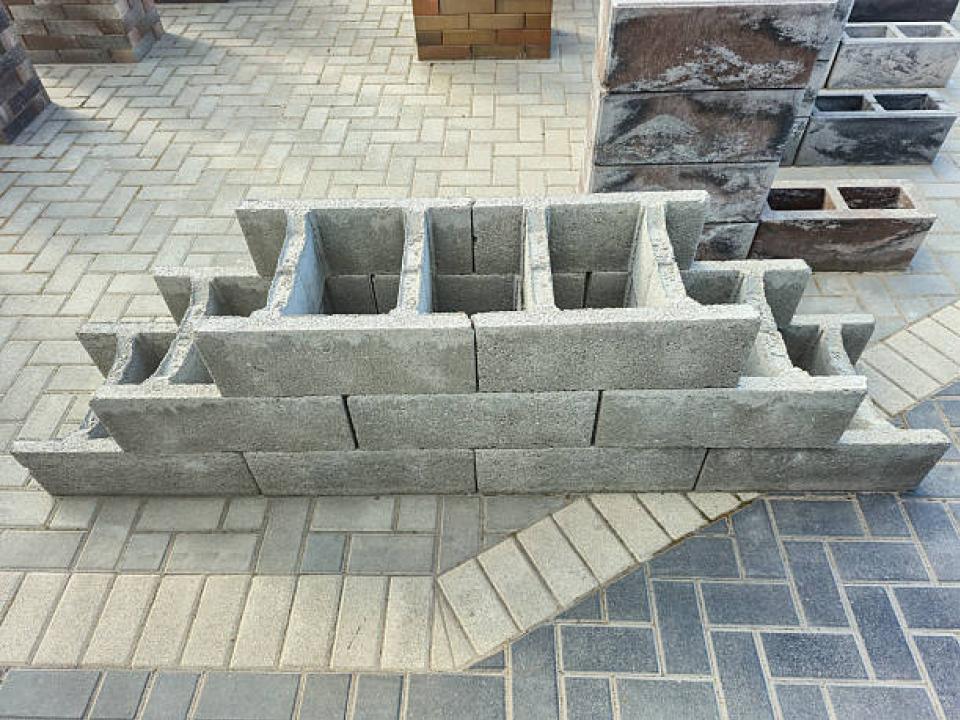
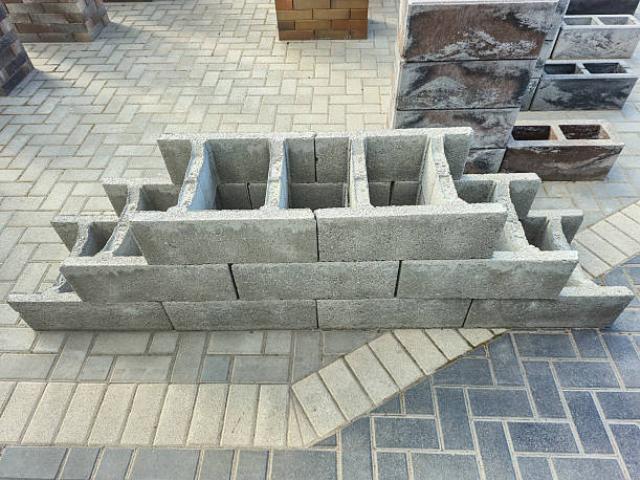
CMU walls are built using concrete blocks that are manufactured from a mixture of cement, aggregate, and water. These blocks are then stacked in a staggered pattern and bonded with mortar to form structurally sound walls. In commercial applications, they are often reinforced with steel rebar and filled with grout for added stability.
This combination creates a wall system capable of handling significant structural loads while also providing resistance to fire, moisture, and impact damage. Unlike some framing systems that rely heavily on additional layers for strength, CMU walls deliver inherent durability from the ground up.
CMU construction is especially common in:
Industrial warehouses and manufacturing plants
Retail and shopping centers
Schools and universities
Hospitals and healthcare facilities
Parking structures
Municipal and government buildings
Key Benefits of CMU Walls in Commercial Projects
One of the primary reasons CMU systems are widely used is their balance of performance and practicality. They offer multiple advantages that make them ideal for large-scale construction.
1. Exceptional Durability and Strength
CMU walls are designed to withstand heavy loads, making them suitable for both load-bearing and non-load-bearing applications. Their compressive strength is significantly higher than many alternative wall systems, which is critical in commercial environments exposed to constant activity.
2. Fire Resistance
Concrete masonry is naturally fire-resistant. CMU walls can slow the spread of flames and maintain structural integrity under high temperatures, providing valuable time for evacuation and reducing property damage.
3. Acoustic Performance
In commercial buildings where noise control matters—such as offices, schools, and medical facilities—CMU walls help reduce sound transmission. Their dense composition acts as a barrier against airborne noise, improving interior comfort and functionality.
4. Energy Efficiency Potential
When combined with insulation systems, CMU walls can contribute to a building’s thermal efficiency. This helps stabilize indoor temperatures and reduce long-term heating and cooling costs.
5. Low Maintenance Requirements
Once installed, CMU walls require minimal upkeep compared to other construction materials. Their resistance to pests, rot, and weather-related deterioration makes them a cost-effective long-term solution.
Common Applications in Commercial Design
CMU walls are highly adaptable, which is why they appear in so many different types of commercial buildings. Their modular nature allows designers and contractors to scale projects efficiently while maintaining structural integrity.
Typical applications include:
Exterior building envelopes that require strength and weather resistance
Interior partition walls for flexible floor plan configurations
Security walls in facilities requiring controlled access
Retaining walls for landscape grading and structural support
Mechanical enclosures for HVAC and utility systems
This versatility makes CMU a preferred material for projects where both structure and adaptability are important.
Installation Considerations and Best Practices
While CMU systems offer many advantages, their performance depends heavily on proper installation. Precision in layout, reinforcement, and curing all contribute to the wall’s final strength and durability.
Key considerations include:
Foundation preparation: A stable and level foundation ensures proper load distribution.
Reinforcement placement: Steel rebar must be accurately positioned for maximum structural integrity.
Mortar quality and consistency: Proper mixing and application affect bonding strength.
Grouting procedures: Filling block cores enhances stability and load-bearing capacity.
Moisture management: Proper sealing and drainage prevent long-term water intrusion issues.
Attention to these details ensures that CMU walls perform as intended throughout the building’s lifecycle.
Maintenance and Lifecycle Value
One of the strongest advantages of CMU construction is its longevity. With proper installation and occasional maintenance, CMU walls can last for decades without significant structural degradation.
Routine maintenance typically includes:
Inspecting for cracks or mortar joint deterioration
Sealing surfaces to prevent moisture penetration
Cleaning exterior surfaces to maintain appearance
Repairing localized damage promptly to prevent expansion
Because CMU walls age slowly and predictably, they are often more cost-efficient over time compared to systems that require frequent replacement or refurbishment.
Why Expertise Matters in CMU Wall Construction
Although CMU systems are widely used, achieving high-quality results depends on skilled workmanship and detailed planning. Poor installation can lead to issues such as cracking, moisture intrusion, or reduced structural performance.
This is why working withcommercial CMU wall experts is critical for ensuring that a project meets both engineering standards and long-term performance expectations. Experienced professionals understand how to manage reinforcement layouts, control curing conditions, and integrate CMU systems seamlessly into broader building designs.
In commercial construction, expertise is not just about completing a build—it’s about ensuring that the structure performs reliably for decades under real-world conditions.
Conclusion
CMU wall systems remain one of the most dependable solutions in commercial construction due to their strength, durability, and adaptability. From industrial facilities to institutional buildings, their ability to perform under demanding conditions makes them a cornerstone of modern building design.
When properly installed and maintained, CMU walls deliver long-term value that supports both structural integrity and operational efficiency. For developers and project managers seeking reliable construction outcomes, investing in skilled execution and high-quality masonry work is essential to maximizing the benefits of this proven building system.