
The global smart retail devices market is undergoing a period of sustained expansion as retailers increasingly integrate connected technologies into physical store environments. The market was valued at USD 58 billion in 2025 and is projected to rise to USD 67.98 billion in 2026. Over the forecast period from 2026 to 2034, the market is expected to reach USD 241.99 billion, reflecting a compound annual growth rate (CAGR) of 17.2%.
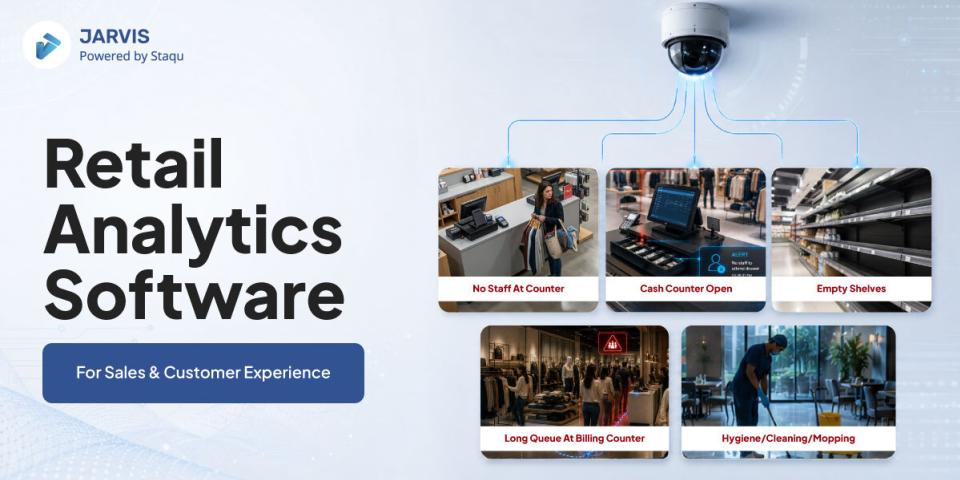
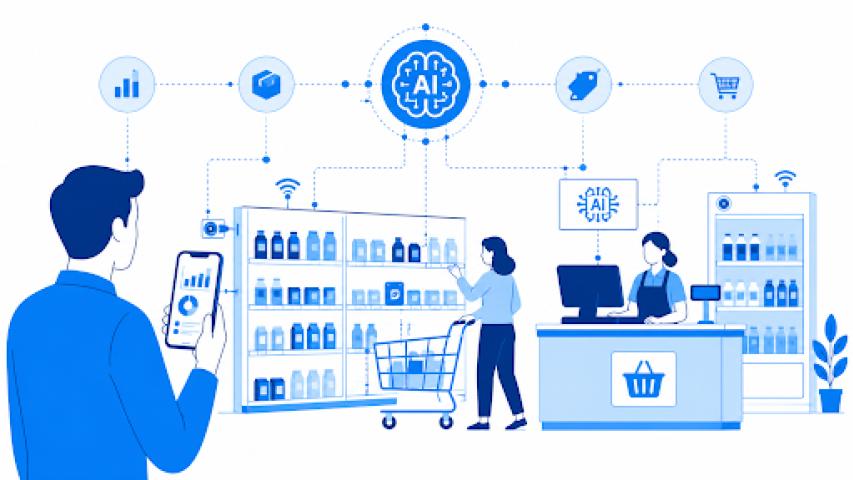
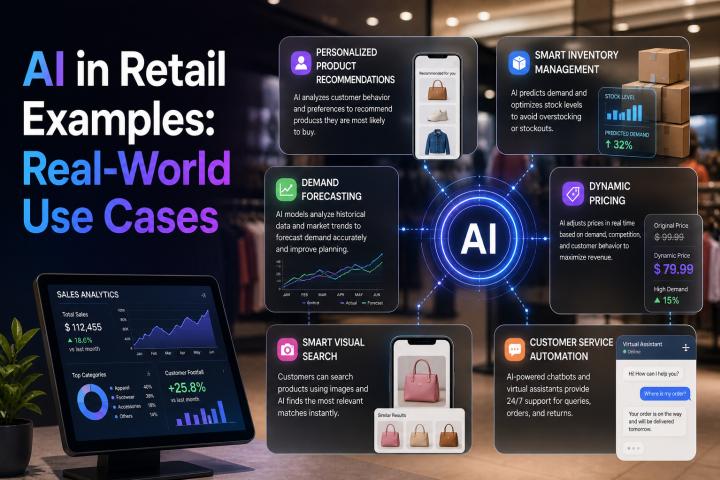
Smart retail devices refer to a range of digitally enabled tools that combine traditional retail operations with advanced technologies such as the Internet of Things (IoT), artificial intelligence (AI), cloud computing, and machine learning. These systems facilitate real-time communication between devices and platforms, enabling retailers to gather operational and customer data, optimize store performance, and enhance consumer engagement. Applications span inventory tracking, dynamic pricing, customer analytics, energy management, and fraud prevention.
Growth Drivers
One of the primary drivers of market growth is the increasing deployment of IoT-enabled infrastructure in retail environments. Connected devices, sensors, and smart systems allow retailers to monitor customer behavior, track inventory in real time, and streamline in-store operations. This shift toward data-driven retailing is improving both operational efficiency and customer experience.
Another significant factor is the growing demand for personalized shopping experiences. Retailers are increasingly leveraging AI and analytics to tailor promotions, product recommendations, and in-store navigation to individual consumer preferences. This trend is further reinforced by the rising adoption of mobile-based applications, digital payment systems, and interactive retail technologies.
The expansion of automation and robotics within retail environments is also contributing to market growth. Self-service kiosks, automated vending systems, and electronic shelf labels are being widely adopted to reduce manual labor, improve pricing efficiency, and enhance service speed. These technologies are particularly valuable in large-scale retail formats such as supermarkets and hypermarkets.
Additionally, advancements in big data analytics are enabling retailers to make more informed decisions related to pricing, inventory management, and customer engagement. The integration of cloud-based platforms with retail systems supports real-time data processing and improves operational agility.
Market Trends
A key trend shaping the market is the increasing convergence of multiple technologies, including AI, IoT, augmented reality (AR), and virtual reality (VR). This integration is transforming in-store experiences by enabling immersive product visualization, smart navigation, and interactive customer engagement systems.
Electronic shelf labels (ESLs) are gaining significant traction as retailers transition from traditional paper-based labeling systems to digital alternatives. These systems enable dynamic pricing updates, reduce operational costs, and improve inventory accuracy. Their adoption is expanding rapidly across organized retail chains.
Smart payment technologies are also evolving, with widespread adoption of contactless systems such as mobile wallets, QR code-based payments, and near-field communication (NFC). These solutions are streamlining checkout processes and reducing transaction times, contributing to a more seamless shopping experience.
Challenges
Despite strong growth prospects, the market faces certain challenges. High installation and maintenance costs associated with smart retail infrastructure remain a key restraint, particularly for small and medium-sized retailers. Technologies such as electronic shelf labels require significant upfront investment, especially in large store formats.
In addition, the complexity of integrating multiple technologies—such as IoT sensors, AI platforms, and cloud-based systems—can increase implementation risks and extend payback periods. Retailers may also face challenges related to data security, system interoperability, and ongoing technical maintenance.
Opportunities
The increasing emergence of smart stores presents substantial growth opportunities for the smart retail devices market. Smart stores leverage automation, AI, and IoT to provide frictionless shopping experiences, including self-checkout, digital product discovery, and automated inventory management.
Emerging economies, particularly in Asia-Pacific and parts of Latin America and the Middle East, are witnessing increased adoption of retail automation technologies. These regions present significant opportunities due to rapid urbanization, rising consumer spending, and growing investments in retail infrastructure.
The continued development of cloud-based retail platforms and edge computing systems is also expected to create new opportunities for scalable and cost-efficient deployment of smart retail solutions.
Regional Insights
Asia-Pacific held the dominant position in the global smart retail devices market in 2025 and is expected to maintain its leadership throughout the forecast period. The region’s growth is driven by rapid technological adoption, expanding retail infrastructure, and strong manufacturing capabilities in countries such as China, India, and Indonesia. Asia-Pacific is also projected to register one of the highest growth rates, with a regional CAGR of approximately 20.5% during the forecast period.
North America is expected to be the fastest-growing region, supported by strong investments in digital transformation, widespread adoption of AI-based retail systems, and the presence of established technology providers. Retailers in the region are increasingly deploying automation and analytics-driven solutions to enhance operational efficiency and customer engagement.
Europe represents the second-largest regional market, supported by steady economic growth and increasing adoption of advanced retail technologies. The region is witnessing growing investments in electronic shelf labeling systems and smart payment infrastructure, particularly in Western and Northern Europe.
Segment Analysis
By technology, the market is segmented into digital signage, smart labels, smart payments, smart carts, electronic shelf labels, and others. Among these, electronic shelf labels are expected to account for a significant share due to their ability to support real-time pricing, reduce manual workload, and improve store efficiency.
In terms of application, inventory management represents one of the largest segments, driven by the need for real-time tracking, demand forecasting, and supply chain optimization. Foot traffic monitoring is also gaining traction, as retailers increasingly rely on sensor-based analytics to evaluate customer behavior, store layout effectiveness, and conversion rates.
Other notable applications include predictive equipment maintenance, smart fitting rooms, and transportation-related retail logistics solutions. These use cases reflect the broader shift toward data-centric retail operations.
Competitive Landscape
The global smart retail devices market is moderately consolidated, with several multinational technology and industrial firms playing a key role in innovation and deployment. Leading participants include Infineon Technologies, FIBARO, Baumer, Rockwell Automation, Siemens AG, Schneider Electric, Texas Instruments, Keyence Corporation, SoftBank Robotics, Pax Global Technology, and International Business Machines Corporation.
These companies are focusing on strategic collaborations, product innovation, and integration of AI and IoT capabilities into retail systems. Recent developments include advancements in generative AI integration for industrial platforms and the introduction of next-generation smart consumer devices, reflecting the ongoing convergence of industrial automation and retail intelligence.
Click to Read the Complete Insights & Report: https://straitsresearch.com/report/smart-retail-devices-market
About the Market Study
This market study provides a comprehensive analysis of the global smart retail devices industry from 2022 to 2034, including historical trends, current market conditions, and future projections. The study evaluates market size, growth trajectory, segmentation by technology and application, and regional performance across North America, Europe, Asia-Pacific, Latin America, and the Middle East & Africa.
The analysis is based on a combination of primary and secondary research methodologies and incorporates quantitative data modeling to estimate market performance across the forecast period. It also examines key drivers, restraints, challenges, and opportunities shaping the evolution of smart retail technologies worldwide.