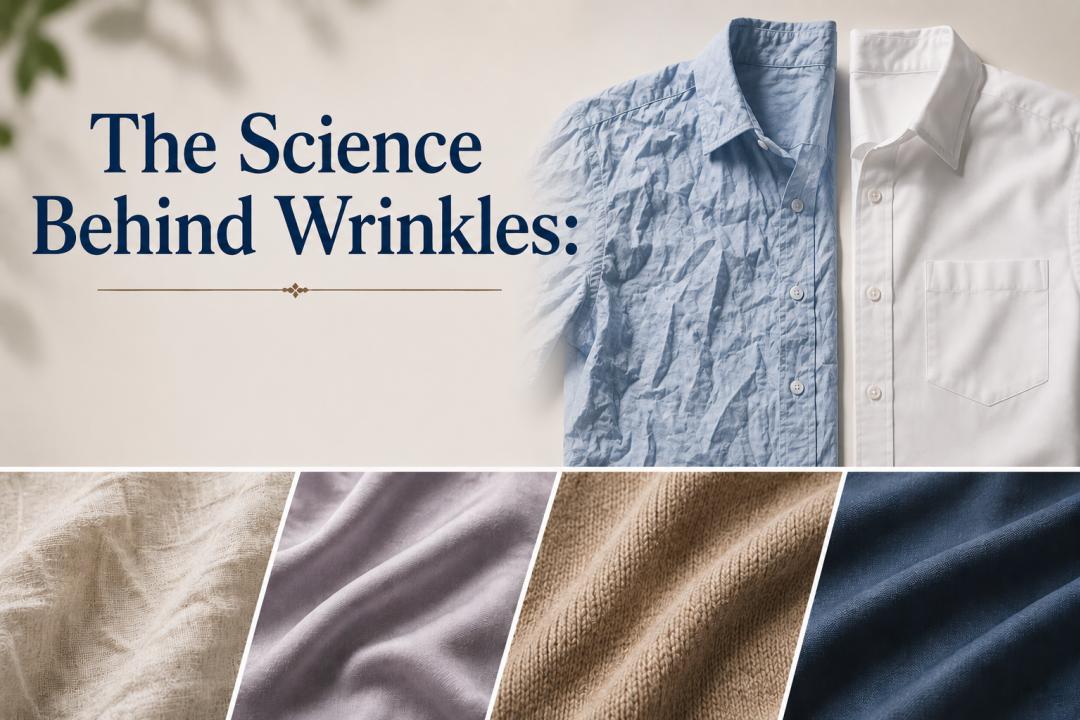
Have you ever ironed a shirt in the morning only to find it wrinkled again by lunchtime? Or noticed that some clothes come out of the wardrobe looking perfectly smooth while others seem permanently creased no matter how carefully they are folded? The answer lies in fabric science.
Wrinkles are not simply a sign of poor maintenance. They are the result of how fibers react to moisture, heat, pressure, and movement. Understanding why some fabrics wrinkle more than others can help people choose better clothing, store garments correctly, and maintain their favorite outfits for longer.
In fact, the structure of fibers plays such an important role that many people looking for Dry Cleaning in Jaipur rely on professional garment care to preserve the appearance and shape of delicate fabrics.
What Actually Causes Wrinkles?
Wrinkles form when the fibers inside a fabric bend and change position.
When clothes are exposed to:
- Pressure
- Body movement
- Moisture
- Heat
- Folding
- Sitting for long periods
the molecular bonds inside fibers temporarily shift. If those bonds fail to return to their original position, wrinkles appear.
Natural fibers are especially prone to this because they absorb moisture from the air and from the body.
This explains why a freshly ironed cotton shirt develops creases after several hours of wear.
Understanding Fabric Fibers
Every fabric behaves differently because its fibers have unique structures.
The most common clothing fibers include:
Cotton
Soft, breathable, and comfortable but highly prone to wrinkles.
Linen
Extremely breathable and lightweight, yet one of the most wrinkle-prone fabrics.
Wool
Naturally elastic and resistant to creasing.
Silk
Smooth and luxurious with moderate wrinkle resistance.
Polyester
Synthetic fibers that maintain their shape and resist wrinkles.
Rayon
Comfortable but susceptible to severe wrinkling.
These differences explain why two garments stored under identical conditions may look completely different after a few hours.
Why Cotton Wrinkles So Easily
Cotton is one of the world's most popular fabrics, but it wrinkles faster than most people expect.
The reason lies in cellulose molecules.
Cotton fibers contain hydrogen bonds that break and reform continuously. Moisture and pressure change these bonds, allowing the fabric to retain folds and creases.
This is why:
- Office shirts wrinkle around elbows.
- Bedsheets develop lines overnight.
- Cotton kurtas crease after sitting.
Despite this tendency, cotton remains popular because of its comfort and breathability.
Professional Dry Cleaners in Jaipur often use steam finishing techniques that help restore cotton garments without excessive heat.
Linen: Beautiful but Naturally Wrinkled
Linen has been used for thousands of years and remains a favorite during Indian summers.
However, linen fibers have low elasticity.
Once folded or compressed, they struggle to bounce back into their original position.
That's why linen garments often display:
- Sleeve wrinkles
- Fold marks
- Seat creases
- Collar lines
Interestingly, many fashion experts consider slight wrinkling a natural part of linen's charm rather than a flaw.
Why Wool Rarely Looks Creased
Wool behaves differently because its fibers are naturally elastic.
The protein structure inside wool allows fibers to stretch and recover easily.
As a result:
- Wool suits maintain their shape.
- Blazers resist wrinkles.
- Winter coats stay crisp.
Steam also works exceptionally well on wool because moisture helps fibers relax and return to their original arrangement.
This is one reason why many professionals prefer the best dry cleaning service in Jaipur for maintaining wool suits and formal wear.
Polyester: The Wrinkle-Resistant Champion
Polyester was developed partly to overcome the wrinkling issues of natural fabrics.
Its synthetic structure makes it highly resilient.
Advantages include:
- Shape retention
- Wrinkle resistance
- Easy maintenance
- Quick drying
This explains why polyester shirts often emerge from the washing machine looking almost ready to wear.
However, excessive heat can permanently distort polyester fibers.
Why Humidity Makes Wrinkles Worse
Moisture is one of the biggest contributors to wrinkling.
Water molecules penetrate fibers and weaken internal bonds.
High humidity causes:
- Cotton shirts to wrinkle faster.
- Bedsheets to lose smoothness.
- Stored garments to develop fold lines.
Cities with changing weather conditions often experience this problem.
People frequently searching for a Dry Cleaning Service in Jaipur during monsoon season notice that professionally pressed clothes maintain their appearance longer because specialized steam finishing creates more stable fiber alignment.
Body Heat and Movement Create Wrinkles
Even if clothes start perfectly pressed, the body itself contributes to wrinkles.
Body heat, sweat, and movement create pressure points around:
- Elbows
- Knees
- Waistline
- Shoulders
- Collar area
These areas repeatedly bend throughout the day.
Over time, the fibers begin retaining those shapes.
This explains why office wear wrinkles much faster than garments hanging unused inside wardrobes.
Why Expensive Clothes Can Wrinkle More
People often assume expensive clothing should remain wrinkle-free.
Surprisingly, premium garments made from:
- Pure linen
- Silk
- Cashmere
- High-quality cotton
may wrinkle more than inexpensive synthetic fabrics.
Natural luxury fibers prioritize comfort and breathability rather than wrinkle resistance.
This is completely normal and not a sign of poor quality.
Why Over-Ironing Can Damage Clothes
Many people believe ironing repeatedly solves wrinkles.
In reality, excessive heat can damage fibers.
Common problems include:
- Color fading
- Fabric shine
- Burn marks
- Weak fibers
- Permanent flattening
Professional pressing methods use controlled temperature and steam according to the specific fabric.
This approach preserves texture and shape more effectively than frequent home ironing.
The Role of Fabric Blends
Modern clothing often combines multiple fibers.
Examples include:
- Cotton-polyester blends
- Wool-polyester blends
- Rayon blends
Blended fabrics balance comfort and wrinkle resistance.
A cotton-polyester shirt, for example, offers better wrinkle resistance than pure cotton while maintaining breathability.
This combination has become popular among professionals and travelers.
Why Folding Clothes Incorrectly Creates Deep Creases
Storage habits influence wrinkles more than most people realize.
Common mistakes include:
Overcrowded wardrobes
Compression creates pressure marks.
Leaving clothes in laundry baskets
Garments settle into folded shapes.
Improper folding
Sharp folds become permanent over time.
Hanging heavy sweaters
Stretching distorts fibers.
Proper storage improves garment appearance significantly.
Steam Works Better Than Dry Heat
Wrinkles occur because fibers become locked into new positions.
Steam introduces moisture that helps relax those bonds.
That's why steamers are effective for:
- Sarees
- Blazers
- Dresses
- Jackets
- Curtains
Professional garment care services use steam finishing equipment that restores shape without causing excessive heat damage.
People seeking an affordable Dry Cleaning Service in Jaipur often appreciate this finishing process because it delivers crisp results while extending fabric life.
Why Travel Creates More Wrinkles
Suitcases compress clothes for hours.
Pressure, temperature changes, and movement force fibers into unnatural shapes.
Travel wrinkles are especially common in:
- Linen shirts
- Cotton kurtas
- Formal shirts
- Sarees
Rolling garments instead of folding them can reduce crease formation significantly.
Wrinkles and Fabric Age Are Connected
As fabrics age, their elasticity gradually decreases.
Older garments become more prone to:
- Fold marks
- Collar creases
- Sleeve wrinkles
- Permanent lines
Repeated washing and drying slowly weaken fibers, making wrinkles harder to remove.
Proper garment care slows this aging process.
Why Professional Finishing Makes Such a Difference
Many people notice that professionally cleaned garments stay crisp longer than clothes ironed at home.
This happens because professional finishing combines:
- Steam
- Controlled pressure
- Fabric-specific temperature
- Proper shaping techniques
These processes help fibers return closer to their original structure.
That's why customers often choose Dry Cleaning Service in Jaipur for business wear, wedding outfits, and delicate garments that require careful handling.
How to Reduce Wrinkles Naturally
Simple habits can make a big difference:
Remove clothes immediately after washing.
Leaving them inside the machine creates deep creases.
Use proper hangers.
Maintains garment shape.
Avoid overcrowding wardrobes.
Allows fabrics to breathe.
Use steam instead of excessive ironing.
Reduces heat damage.
Fold clothes carefully.
Prevents permanent lines.
Store seasonal garments properly.
Protects fibers during long periods of inactivity.
Final Thoughts
Wrinkles are not random. They are a result of science, fiber structure, moisture, pressure, and daily wear. Some fabrics, like linen and cotton, naturally wrinkle because of their molecular makeup, while wool and polyester resist creasing thanks to their elasticity and resilience.
Understanding why fabrics behave differently helps consumers make better decisions about clothing care and storage. Whether it is a formal shirt, a silk saree, or a premium blazer, proper maintenance can preserve both appearance and longevity.
After all, wrinkles are not always a sign of neglect. Sometimes, they simply reveal the fascinating science hidden inside the fabrics we wear every day.