Small businesses need simple and affordable ways to bring offline customers online. QR codes are one of the easiest tools for this. A customer can scan a QR code with their phone and instantly open a website, offer page, booking form, menu, product page, review page, or social media profile.
For small businesses, QR codes work well because they connect printed marketing with digital action. Instead of asking customers to type a long website link, a QR code makes the process fast and simple.
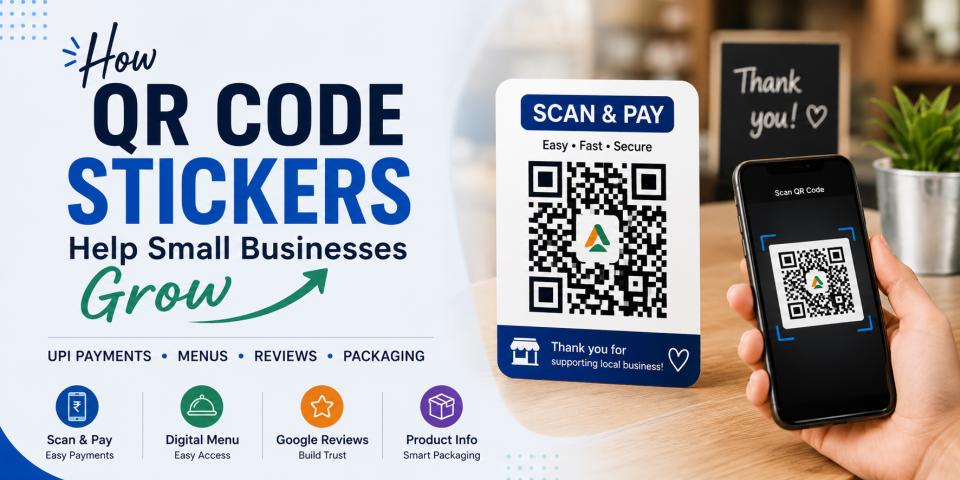
A restaurant can place a QR code on tables to open a digital menu, daily offer, or loyalty signup page. A salon can use a QR code on the reception desk to send customers to booking pages, Instagram profiles, or feedback forms. A retail store can print QR codes on flyers, product tags, receipts, or posters to promote discounts and new arrivals.
QR codes are also useful for local service businesses. A cleaning company, real estate agent, gym, repair shop, or event organizer can use QR codes on brochures, business cards, banners, and vehicle stickers. When people scan the code, they can visit a landing page, request a quote, save contact details, or view campaign information.
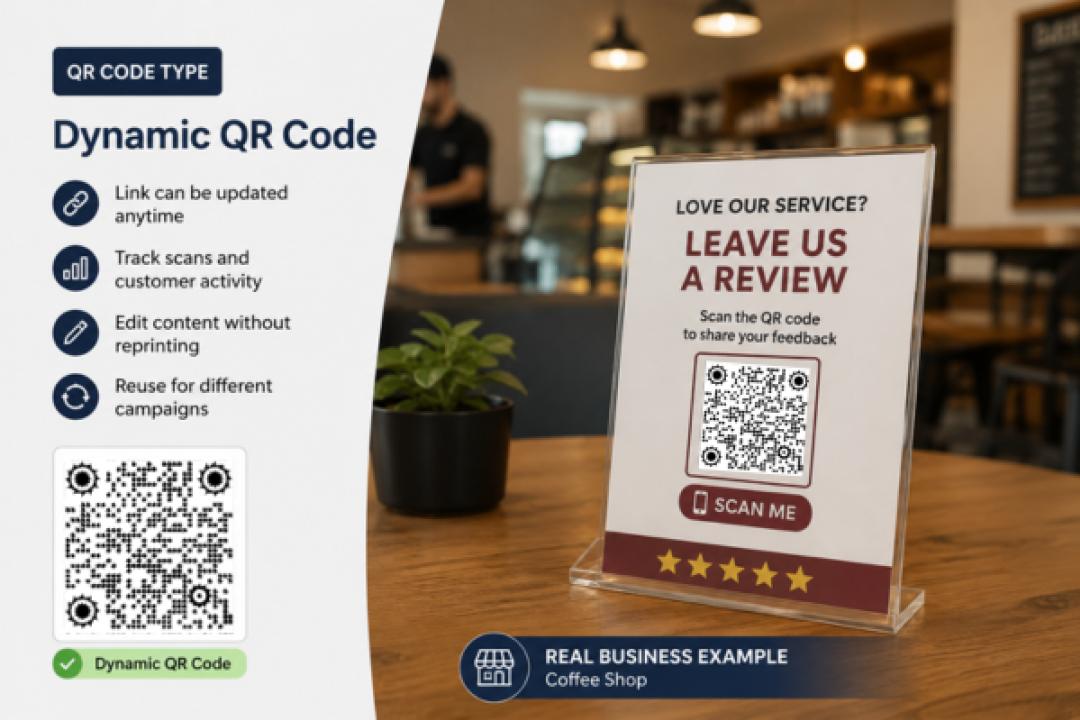
One of the best uses of QR codes is campaign tracking. With a dynamic QR code, a business can update the destination link later without reprinting the QR code. This is helpful when running seasonal offers, limited-time discounts, or different campaigns throughout the year.
For example, a small business can print one QR code on a flyer and first link it to a summer discount page. Later, the same QR code can be updated to a holiday offer, new product page, or customer feedback form. This saves printing cost and keeps the campaign flexible.
QR codes can also help businesses understand customer engagement. Some QR code platforms provide scan tracking, which shows how many people scanned the code, where scans came from, and which campaign performed better. This helps business owners make better marketing decisions.
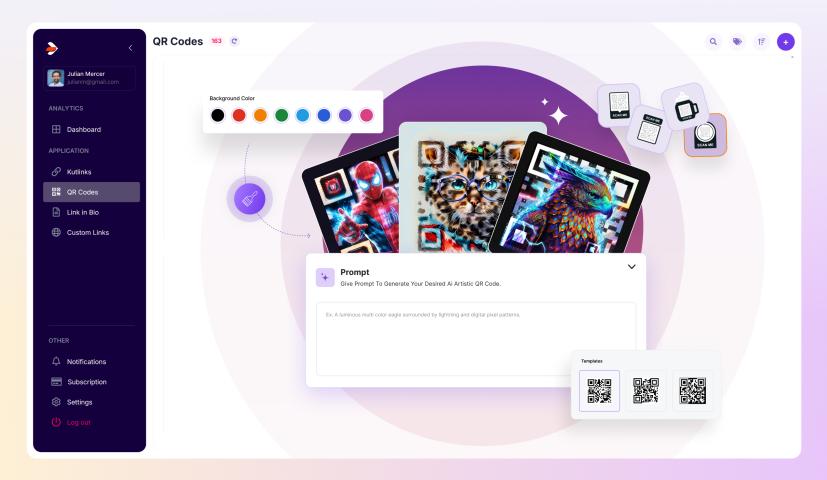
To create professional QR codes, small businesses should use a tool that supports branded designs, custom colors, logos, and dynamic links. Platforms like IMQRScan QR Code Generator help businesses create static and dynamic QR codes for marketing campaigns, product pages, menus, reviews, and more.
A good QR campaign should have a clear purpose. The business should decide what action they want from the customer. It can be “View Offer,” “Book Now,” “Follow Us,” “Leave a Review,” “Download Menu,” or “Get Coupon.” The page opened after scanning should be mobile-friendly and easy to use.
Small businesses should also place QR codes where customers can easily see them. Good places include counters, windows, receipts, packaging, business cards, posters, table tents, flyers, and event banners. The QR code should be large enough to scan and should include a short call-to-action.
QR codes are not only a technology tool. They are a simple marketing bridge between offline attention and online conversion. When used correctly, they can help small businesses increase website visits, collect leads, get more bookings, promote offers, and improve customer engagement.
For any small business trying to run low-cost marketing campaigns, QR codes are a smart and practical choice.