
When a vehicle is involved in an accident, most people focus on the visible damage. Dents, scratches, broken bumpers, and damaged panels are often the first things that catch a driver's attention. However, restoring a vehicle after a collision involves much more than repairing what can be seen on the surface. Behind every successful restoration is a combination of craftsmanship, technical expertise, advanced technology, and attention to detail. This unique blend of creativity and precision is what makes Professional collision repair such an important part of the automotive industry. Vehicle restoration is both an art and a science, requiring skilled technicians to balance aesthetic perfection with engineering accuracy to ensure every repaired vehicle looks, performs, and protects occupants as intended.
Many drivers are surprised to learn how much work goes into returning a damaged vehicle to pre-accident condition. Modern vehicles are designed with sophisticated safety systems, advanced materials, and highly engineered structures. Repairing them properly requires more than basic mechanical knowledge. It demands a deep understanding of vehicle design, collision dynamics, material behavior, refinishing techniques, and quality control procedures. Every repair decision affects the final outcome, making vehicle restoration one of the most specialized fields in the automotive world.
Understanding Vehicle Restoration Beyond Surface Repairs
The term vehicle restoration often brings to mind paintwork and cosmetic improvements. While appearance is certainly an important part of the process, true restoration goes much deeper. The goal is not simply to make a damaged vehicle look good again. The objective is to restore its structural integrity, safety systems, performance characteristics, and visual appeal.
After a collision, multiple areas of a vehicle may be affected simultaneously. Structural components, suspension systems, electronics, sensors, glass, lighting systems, and body panels can all suffer damage. Each component must be evaluated carefully to determine the best repair strategy.
Professional restoration focuses on returning every aspect of the vehicle as close as possible to its original condition. This requires a comprehensive approach that combines technical expertise with skilled craftsmanship.
The Artistic Side of Vehicle Restoration
While collision repair relies heavily on engineering principles, there is also a strong artistic element involved. Skilled technicians often approach restoration with the same attention to detail that an artist brings to a masterpiece.
Bodywork, panel alignment, surface preparation, paint application, and finishing all require a trained eye and steady hands. Small imperfections that may seem insignificant can become noticeable once repairs are complete. Achieving seamless results requires patience, precision, and pride in workmanship.
Technicians must carefully shape damaged panels, smooth repaired surfaces, and ensure that every contour matches the original design. This level of craftsmanship is not something that can be achieved through machinery alone. It relies heavily on human skill and experience.
The best restoration specialists understand that their work affects not only vehicle appearance but also customer satisfaction and confidence.
The Engineering Foundation of Collision Repair
While artistry contributes to appearance, engineering forms the foundation of professional restoration. Modern vehicles are engineered with incredible precision. Every component is designed to perform a specific function while working in harmony with the rest of the vehicle.
During a collision, impact forces travel throughout the vehicle structure. Engineers design crumple zones, reinforcements, and energy-absorbing components to manage these forces and protect occupants. When damage occurs, repairs must restore these structures accurately.
Restoration technicians rely on engineering principles to measure, diagnose, and repair collision damage. Structural dimensions, material properties, and manufacturer specifications all play critical roles in determining repair procedures.
The engineering side of restoration ensures that repaired vehicles continue to meet performance and safety expectations.
The Importance of Accurate Damage Analysis
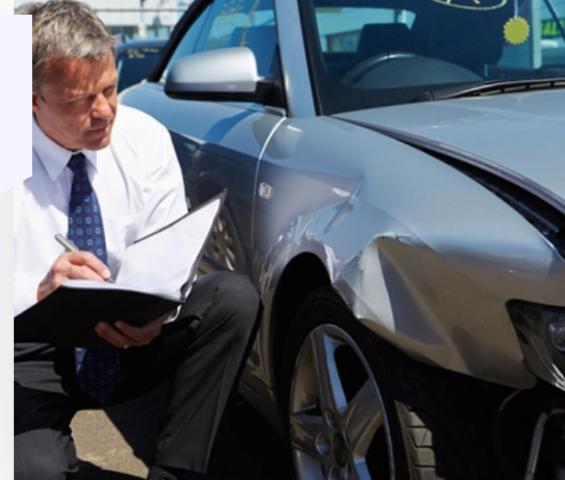
Successful restoration begins with understanding the full extent of the damage. Visible damage tells only part of the story. Hidden damage beneath panels and structural components can significantly affect repair requirements.
Professional repair facilities conduct detailed inspections using visual evaluations, computerized measurements, and diagnostic equipment. These assessments help identify issues that might otherwise remain unnoticed.
Accurate damage analysis allows technicians to develop effective repair plans and avoid unexpected complications during the restoration process. It also helps ensure that all accident-related damage is addressed properly.
Without a thorough assessment, even the most skilled repairs may fall short of delivering complete restoration.
Restoring Structural Integrity
One of the most important engineering challenges in vehicle restoration involves repairing structural damage. The structural framework of a vehicle plays a critical role in occupant protection, handling, and overall performance.
When structural components are damaged, repairs must be performed with exceptional precision. Even minor dimensional variations can affect vehicle alignment, crash protection, and driving characteristics.
Advanced measuring systems allow technicians to compare damaged structures against manufacturer specifications. Using specialized equipment, repair professionals can carefully restore structural components to their intended positions.
This process requires both technical expertise and patience. Structural restoration is often invisible once repairs are complete, but it remains one of the most important aspects of collision repair.
Working With Advanced Materials
Modern vehicles are built using a variety of materials designed to improve safety, fuel efficiency, and performance. High-strength steel, aluminum, composites, and specialized alloys are now common in vehicle construction.
Each material behaves differently when damaged and requires specific repair procedures. Technicians must understand how these materials respond to impact forces, heat, and repair techniques.
Repairing advanced materials often involves specialized equipment and extensive training. Using incorrect procedures can compromise structural integrity and vehicle safety.
Professional restoration centers stay current with evolving repair methods to ensure these materials are handled correctly throughout the restoration process.
Precision Panel Alignment
One of the most noticeable signs of quality restoration is precise panel alignment. Vehicle manufacturers design body panels to fit together with consistent gaps and smooth transitions.
After a collision, these alignments can be disrupted. Restoring them requires careful measurement and adjustment.
Technicians spend significant time ensuring that doors, hoods, fenders, bumpers, and other components align properly. Even small variations can affect appearance and customer satisfaction.
Perfect panel alignment is often one of the details that separates average repairs from exceptional restorations.
The Science of Paint Matching
Paint restoration is both a technical challenge and an artistic skill. Modern automotive finishes involve multiple layers designed to provide color, protection, and visual depth.
Matching existing paint accurately requires advanced technology and extensive experience. Factors such as age, sunlight exposure, environmental conditions, and manufacturing variations can influence color appearance.
Professional refinishing specialists use computerized color matching systems combined with visual evaluations to achieve consistent results. Blending techniques help ensure smooth transitions between repaired and original surfaces.
The goal is to create a finish that appears completely natural and indistinguishable from the factory paint.
Surface Preparation and Refinishing
A flawless paint finish depends heavily on proper preparation. Before paint is applied, surfaces must be cleaned, repaired, sanded, and primed carefully.
Preparation work often consumes more time than the actual painting process. Every surface imperfection must be addressed to create a smooth foundation for refinishing.
Skilled technicians understand that rushing preparation can compromise the final result. Their attention to detail during this stage helps ensure durability, appearance, and long-term satisfaction.
Surface preparation represents one of the clearest examples of how craftsmanship influences repair quality.
Technology's Role in Modern Restoration
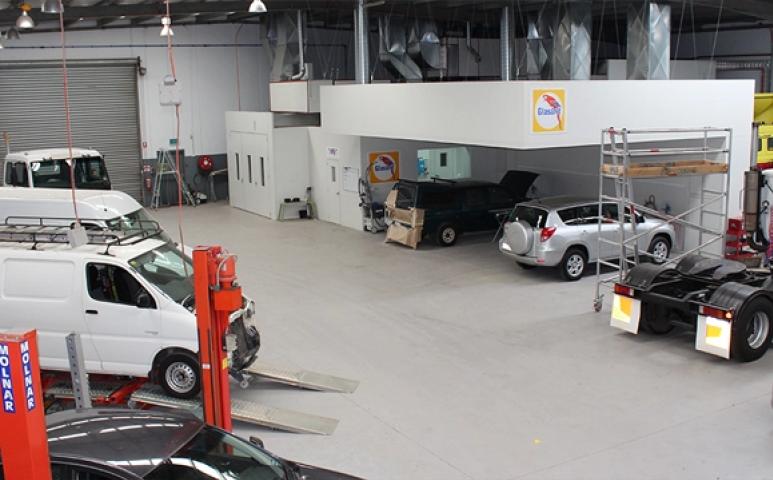
Technology has transformed the collision repair industry dramatically over the past decade. Advanced equipment now supports nearly every stage of the restoration process.
Computerized frame measuring systems help identify structural damage accurately. Diagnostic scanners evaluate electronic systems. Digital paint matching tools improve refinishing precision. Calibration equipment ensures proper operation of safety technologies.
These tools enhance repair accuracy, but they are only as effective as the technicians using them. Professional restoration centers combine advanced technology with skilled expertise to achieve superior results.
Technology continues to expand the possibilities of modern vehicle restoration.
Restoring Advanced Safety Systems
Modern vehicles contain numerous safety features designed to reduce accident risks and protect occupants. Cameras, sensors, radar systems, and driver assistance technologies have become increasingly common.
Following a collision, these systems often require inspection, repair, and recalibration. Their proper operation is essential for vehicle safety.
Professional restoration facilities understand the complexity of these systems and follow manufacturer guidelines to restore them correctly. This process requires specialized equipment and technical knowledge.
Restoring safety technology is one of the most critical responsibilities within modern collision repair.
Quality Control and Final Inspection
The best restoration projects do not end when repairs appear complete. Professional facilities perform comprehensive quality control procedures before returning vehicles to customers.
These inspections verify structural measurements, paint quality, system functionality, alignment, and overall workmanship. Any concerns identified during inspection are corrected before delivery.
Quality control helps ensure consistency and reduces the likelihood of post-repair issues. It reflects a commitment to excellence and customer satisfaction.
Final inspections provide confidence that the restoration has been completed according to professional standards.
The Human Element Behind Exceptional Repairs
Despite advances in technology, people remain at the heart of vehicle restoration. Skilled technicians bring experience, judgment, creativity, and dedication to every repair.
Their ability to solve complex problems, identify subtle issues, and deliver high-quality workmanship cannot be replaced by machines. Experience allows them to recognize challenges quickly and apply effective solutions.
Customers often judge repairs by visible results, but the expertise behind those results is what truly determines success. The human element continues to be one of the most valuable assets in the collision repair industry.
Why Professional Restoration Protects Vehicle Value
Vehicle restoration affects more than appearance and safety. It also influences long-term value. Poor repairs can reduce resale value and create concerns for future buyers.
High-quality restoration helps preserve vehicle condition, maintain structural integrity, and support long-term reliability. Buyers often recognize signs of professional workmanship and may feel more confident purchasing a properly repaired vehicle.
Investing in quality repairs today can provide financial benefits years later when it is time to sell or trade the vehicle.
The Future of Vehicle Restoration
As automotive technology continues to evolve, vehicle restoration will become even more sophisticated. Electric vehicles, advanced driver assistance systems, lightweight materials, and connected technologies are already reshaping repair procedures.
Collision repair professionals must continue adapting through ongoing education and investment in advanced equipment. The combination of art and engineering will remain essential as vehicles become increasingly complex.
The future promises exciting developments, but the fundamental goal will remain the same. Restore vehicles safely, accurately, and beautifully after damage occurs.
Conclusion
Professional vehicle restoration is far more than a simple repair process. It is a unique blend of craftsmanship, engineering, technology, and experience. From structural restoration and material repair to paint matching and safety system calibration, every aspect of the process requires careful attention and specialized knowledge.
The art of restoration ensures vehicles look exceptional, while the engineering behind restoration ensures they perform safely and reliably. Together, these elements create results that protect drivers, preserve vehicle value, and restore confidence after an accident.
Understanding the complexity behind professional restoration helps vehicle owners appreciate the skill and dedication required to return damaged vehicles to pre-accident condition. It is a process where precision meets creativity, and where every detail contributes to the final outcome.
Trusted Auto Body Repair Solutions From MTY Collision
MTY Collision proudly serves drivers throughout the San Francisco Bay Area with a commitment to excellence in vehicle restoration and repair. Their experienced technicians combine advanced technology, industry expertise, and meticulous craftsmanship to restore vehicles safely and accurately after accidents. Whether addressing structural damage, refinishing exterior surfaces, repairing frames, replacing glass, or assisting with insurance claims, MTY Collision focuses on delivering exceptional results that stand the test of time. Drivers searching for dependable and high-quality Collision repair services can trust MTY Collision to provide professional workmanship, outstanding customer care, and reliable restoration solutions.