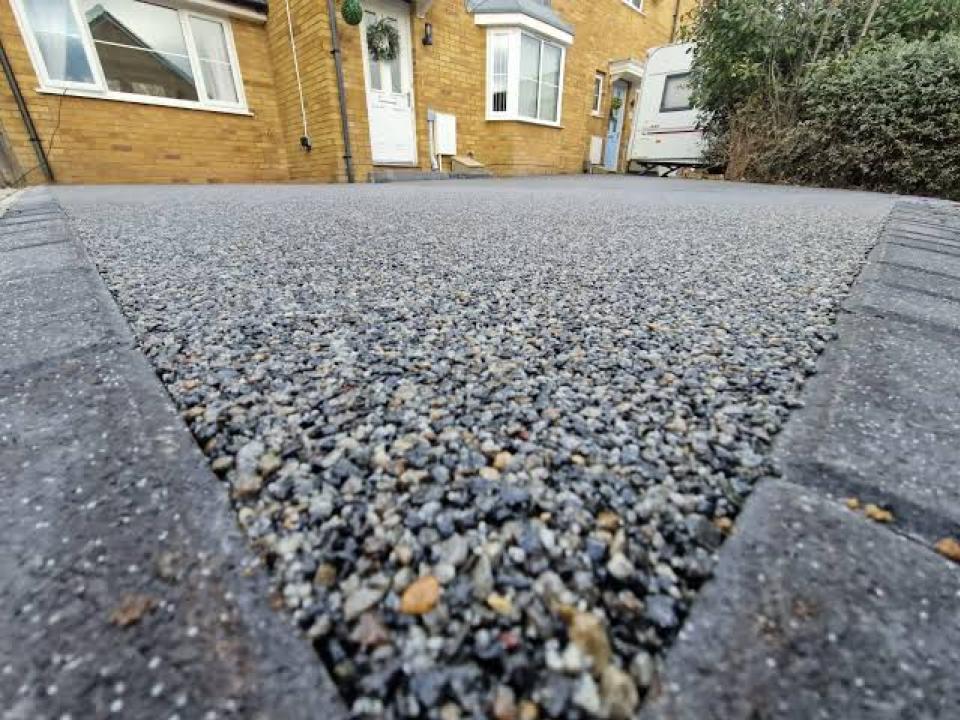
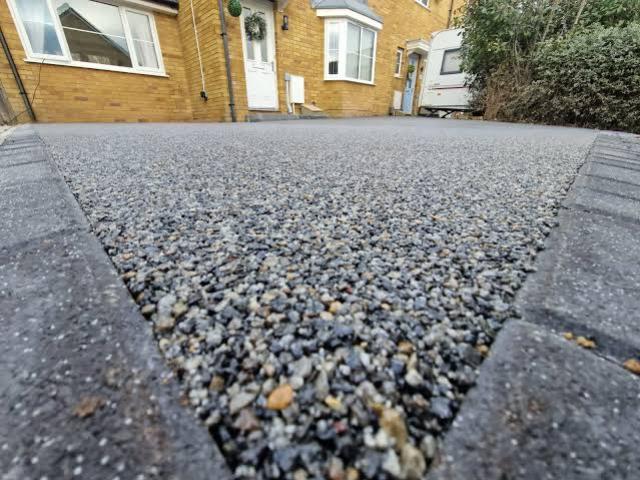
Driveways take a beating. Cars roll over them daily. Rain soaks them. Frost cracks them apart during the coldest months. Yet somehow certain surfaces shrug off years of wear while others crumble within a decade. Resin has earned a loyal following among homeowners tired of endless repairs. Local firms offering resin driveways Bridgend residents trust have watched demand climb steadily as people search for something sturdy that also looks sharp. The appeal goes beyond looks though. Practicality drives most of these decisions.
What makes resin different from tarmac or block paving?
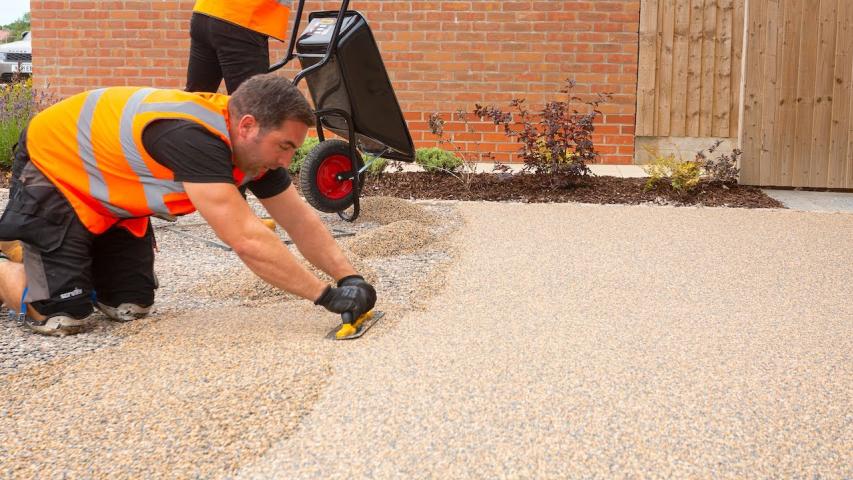
Tarmac softens under summer heat and cracks under winter frost. Block paving shifts over time letting weeds sneak through every gap. Resin behaves differently. Small stone particles bind together with a clear resin coating creating a surface that stays flexible without losing strength. Water drains straight through rather than pooling on top. Weeds struggle to find a foothold since there are no loose joints for seeds to settle into. The finished surface looks smooth almost like stone yet flexes slightly under pressure instead of snapping.
How does low maintenance actually save homeowners time?
Picture a Saturday morning spent scrubbing moss off block paving or filling cracks in tarmac. Resin skips most of that routine. A quick sweep clears leaves and debris. Occasional rinsing with a hose keeps the surface looking fresh. No weekly weeding. No repainting joints. No patching potholes every spring. Busy families especially value this since weekends free up for actual rest rather than driveway chores. Over a year those saved hours add up to something homeowners genuinely notice.
Why does drainage matter so much for a driveway?
Standing water causes more damage than most people realise. Puddles freeze during cold snaps then expand cracking whatever surface sits beneath them. Poor drainage also creates slippery patches that turn dangerous during icy mornings. Resin solves this through its porous structure. Rainwater seeps through gaps between the stone particles rather than collecting on the surface. This keeps ice formation to a minimum and reduces flooding risk near garages or front doors. Many councils now favour permeable surfaces like resin precisely because they ease pressure on drainage systems during heavy storms.
Can resin driveways handle heavy vehicles and daily use?
Doubts sometimes creep in about durability especially among homeowners who park larger vehicles at home. Properly installed resin holds up remarkably well under regular traffic including SUVs and small vans. The strength comes from correct installation rather than the material alone. A solid sub base beneath the resin layer distributes weight evenly preventing sinking or cracking. Skilled installers test ground conditions before laying anything ensuring the finished driveway copes with daily use for years without buckling.
How long does a resin driveway actually last?
Most resin driveways last between fifteen and twenty years when installed correctly. That lifespan rivals or beats many traditional surfaces. UV resistant resin also resists fading which means the driveway keeps its colour long after installation rather than turning grey and patchy within a few summers. Homeowners researching resin driveways Bridgend often discover this longevity factors heavily into their decision since fewer replacements over the years translate into real savings.
Does a resin driveway boost the appearance of a home?
Curb appeal shapes first impressions the moment someone pulls up outside a house. Resin comes in a wide range of colours and finishes letting homeowners match the driveway to brickwork fencing or even the front door. Smooth seamless surfaces look tidy without the patchwork appearance block paving sometimes develops over time. Buyers touring a property notice these details even if they cannot name exactly why a driveway looks polished. That subtle impression often nudges decisions during a house sale.
Is a resin driveway a smart financial choice long term?
Upfront costs for resin sit higher than gravel and sometimes higher than basic tarmac. Yet the calculation shifts once maintenance and lifespan enter the picture. Fewer repairs. Less frequent resurfacing. Reduced risk of drainage related damage to foundations or nearby structures. Homeowners weighing options for resin driveways Bridgend companies quote often find the long term math favours resin despite the initial expense. Spending a bit more early frequently means spending far less over the following fifteen years.
What should homeowners ask before hiring an installer?
Experience matters enormously with resin since poor installation leads to cracking or an uneven surface within just a year or two. Ask for photos of completed projects. Request details about the sub base preparation since that step determines whether the driveway holds up under real world use. Confirm which resin type gets used since UV stable versions resist yellowing far better than cheaper alternatives. A reputable installer answers these questions without hesitation and often points toward previous clients willing to share their experience.
Final thoughts
Homeowners gravitate toward resin driveways for reasons that go well beyond appearance. Reduced upkeep frees up weekends. Strong drainage properties protect the surface and nearby structures from water damage. Durability stretches the lifespan of the investment far beyond what many traditional materials manage. Add in the wide range of colour options and it becomes clear why resin keeps climbing in popularity across neighbourhoods everywhere. For anyone tired of constant driveway repairs a switch to resin often turns into one of the more satisfying home improvements they ever make.
FAQs
How often does a resin driveway need cleaning?
A simple sweep every few weeks keeps things tidy while an occasional hose rinse handles anything stubborn stuck to the surface.
Does resin crack during winter like tarmac sometimes does?
Resin flexes slightly under pressure and drains water efficiently which lowers the risk of frost related cracking compared with tarmac.
Can weeds grow through a resin driveway over time?
Weeds rarely find a foothold since resin creates a bonded surface without the loose joints that typically let seeds settle in.
Is resin suitable for driveways with a slope?
Yes though installers need to plan drainage carefully on sloped ground to keep water moving in the right direction.
How soon can a car be parked on a freshly laid resin driveway?
Most installers recommend waiting at least twenty four hours though full curing can take a few days depending on weather conditions.