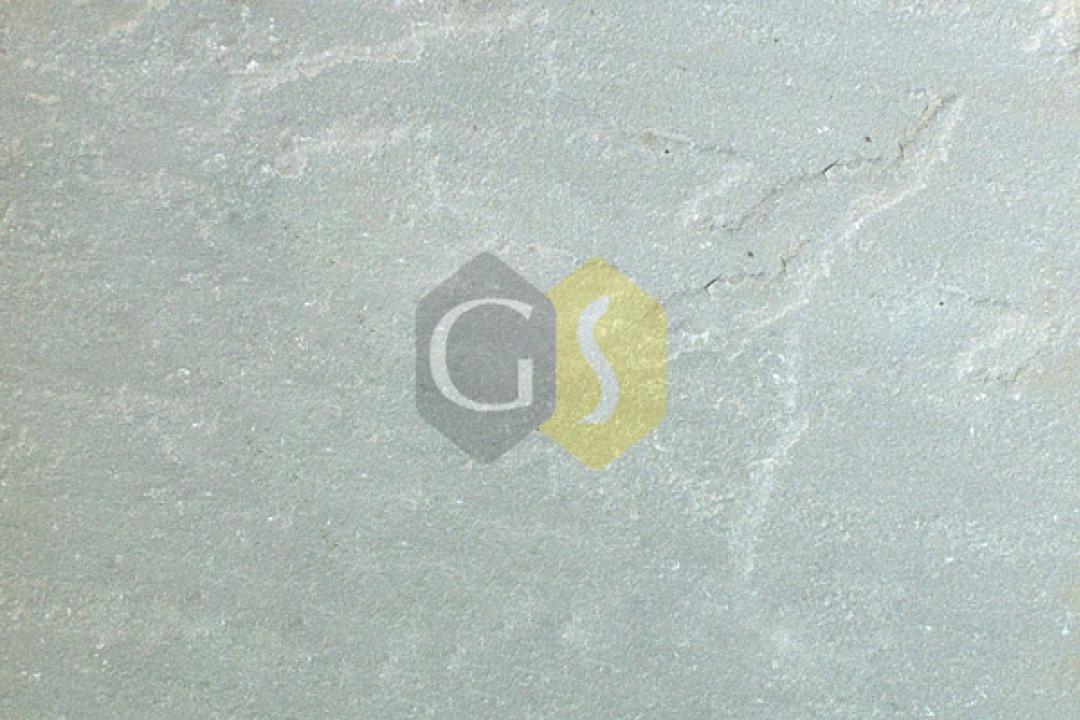
Indian sandstone is a popular natural stone used in homes, gardens, commercial properties, resorts, public areas, and architectural projects. It is appreciated for its earthy colours, natural texture, dependable strength, and ability to suit different design >
Unlike artificial paving products, sandstone has natural variations in shade, grain, and pattern. These differences make every slab unique. Indian sandstone is commonly available in colours such as beige, brown, grey, red, pink, yellow, buff, and multicoloured combinations. This broad colour range helps property owners, designers, and builders choose a suitable option for both traditional and modern spaces.
A Popular Material for Landscaping
Indian sandstone is widely used in landscaping because it blends naturally with outdoor surroundings. It works well with lawns, plants, trees, gravel, water features, wooden furniture, and decorative garden elements.
Sandstone slabs can be used to create patios, pathways, terraces, courtyards, and outdoor seating zones. Stepping stones made from sandstone can form an informal route through a garden, while uniform paving slabs can create a structured and organised appearance.
Mixed-size sandstone packs are also popular for outdoor projects. They allow installers to combine slabs of different dimensions and create attractive random layouts. Sandstone circles, borders, and contrasting paving sections can be added to make the design more visually interesting.
Suitable for More Than Outdoor Paving
Although sandstone is often associated with patios and pathways, its applications go far beyond paving. It can be used for wall cladding, interior flooring, building facades, boundary walls, fireplaces, entrance areas, and decorative features.
Sandstone wall cladding adds natural depth and texture to plain surfaces. It can be installed on residential exteriors, hotel entrances, office reception walls, restaurant interiors, and garden boundary walls.
The stone can also be shaped into steps, risers, pool copings, window sills, benches, kerbs, pillars, and customised architectural pieces. Using matching sandstone products throughout a property can create a balanced and coordinated appearance.
Choosing the Right Sandstone Finish
The surface finish of Indian sandstone affects its appearance, texture, and suitability for different areas. Natural split sandstone has a rough and slightly uneven surface that gives outdoor spaces a traditional character.
Honed sandstone has a smoother finish and is often selected for interior floors, walls, and covered areas. Brushed sandstone retains some natural texture while offering a softer feel. Tumbled sandstone features rounded edges and a weathered appearance, making it suitable for heritage->
Sandblasted and shot-blasted finishes can provide a more uniform texture and improved grip. Polished sandstone creates a refined surface but is generally more appropriate for interior decoration than exposed outdoor areas.
Durability and Weather Performance
Indian sandstone can handle regular foot traffic and outdoor exposure when the right quality, thickness, and installation system are used. A well-prepared foundation helps prevent movement, cracks, and uneven surfaces.
Proper drainage is equally important because standing water may lead to staining, algae growth, or surface damage over time. Correct jointing and suitable laying materials can improve the strength and stability of the finished area.
Sandstone naturally develops character as it ages. Slight weathering can enhance its appearance and help it blend more comfortably with the surrounding landscape.
Cleaning and Protection
Routine care can keep Indian sandstone looking clean and attractive. Leaves, soil, and loose dirt should be removed regularly with a soft broom. Occasional washing with clean water and a mild natural-stone cleaner is usually enough for general maintenance.
Strong acids, bleach, and harsh chemical cleaners should be avoided because they may affect the stone’s surface or colour. Applying a suitable sealer can help reduce water absorption, oil stains, food marks, moss, and algae.
Frequently Asked Questions
Can Indian sandstone be used for large commercial projects?
Yes, suitable sandstone varieties can be used for hotels, resorts, restaurants, office landscapes, walkways, and public areas.
Is sandstone suitable for garden steps?
Yes, sandstone can be cut into stair treads and risers for gardens, entrances, and landscaped areas.
Do all sandstone slabs have the same colour?
No. Natural colour and texture variations are normal and make every installation unique.
Can sandstone be used around a swimming pool?
Yes, textured sandstone can be used around pools when proper drainage, sealing, and installation methods are followed.
How long can Indian sandstone last?
With good-quality material, correct installation, and regular maintenance, Indian sandstone can remain functional and attractive for decades.
Conclusion
Indian sandstone is a practical and visually appealing natural stone for construction, landscaping, and architectural decoration. Its wide colour range, flexible design options, multiple finishes, and lasting performance make it suitable for many residential and commercial projects. When selected carefully and installed professionally, Indian sandstone can add natural beauty, durability, and long-term value to almost any space.