Athletes are constantly looking for effective ways to recover faster, reduce muscle soreness, and improve overall performance. One recovery method that has gained widespread popularity among professional athletes, fitness enthusiasts, and sports teams is the ice bath, also known as cold water immersion (CWI). While plunging into icy water may seem intimidating, this practice has been backed by research for its potential benefits in supporting post-exercise recovery.
What Is an Ice Bath?
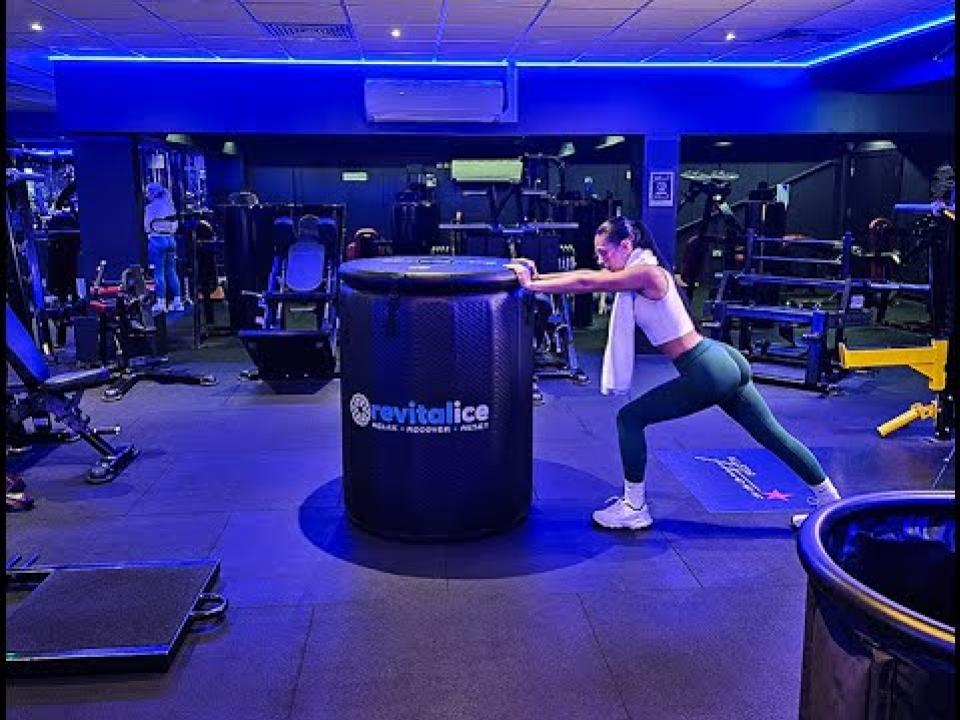
An ice bath involves immersing the body, or at least the lower half, in cold water typically ranging between 10°C and 15°C (50°F to 59°F) for about 10 to 15 minutes after intense physical activity. The cold temperature causes blood vessels to constrict, helping reduce inflammation and swelling. Once the body warms up again, blood flow increases, delivering oxygen and nutrients that support muscle repair.
Benefits of Ice Baths for Athletes
1. Reduces Muscle Soreness
One of the most recognized benefits of ice baths is their ability to minimize delayed onset muscle soreness (DOMS), which commonly develops 24 to 48 hours after strenuous exercise. Cold water immersion helps reduce muscle inflammation, allowing athletes to recover more comfortably and return to training sooner.
2. Speeds Up Recovery
Recovery is just as important as training. Ice baths can help accelerate recovery by reducing tissue damage and limiting the body's inflammatory response after high-intensity workouts or competitions. Faster recovery means athletes can maintain consistent training schedules with less downtime.
3. Decreases Inflammation and Swelling
Intense exercise creates microscopic tears in muscle fibers, triggering inflammation. While some inflammation is necessary for adaptation and muscle growth, excessive inflammation can slow recovery. Ice baths help control swelling and discomfort, especially after endurance events, contact sports, or demanding training sessions.
4. Supports Mental Resilience
Stepping into cold water requires focus and mental discipline. Regular exposure to cold can help athletes build mental toughness, improve stress management, and develop better control over breathing and discomfort. These psychological benefits may translate into improved performance under pressure.
5. Helps Regulate Body Temperature
For athletes competing or training in hot conditions, ice baths can rapidly lower core body temperature. This cooling effect is especially valuable during tournaments or multi-event competitions where quick recovery between performances is essential.
Are Ice Baths Always Beneficial?
Although ice baths offer several advantages, they are not suitable for every situation. Some studies suggest that frequent use immediately after strength training may reduce muscle adaptation and limit long-term gains in muscle size and strength. Athletes focused primarily on building muscle may benefit from using ice baths selectively rather than after every workout.
Instead, ice baths are often most effective following endurance training, intense competitions, or periods of heavy training where recovery is the primary goal.
Best Practices for Safe Ice Bath Use
To maximize benefits while minimizing risks, athletes should follow these guidelines:
- Keep the water temperature between 10°C and 15°C.
- Limit immersion to 10–15 minutes.
- Enter the water gradually to allow the body to adjust.
- Avoid ice baths if you have cardiovascular conditions unless approved by a healthcare professional.
- Warm up naturally afterward using dry clothing and light movement rather than very hot showers.
Alternatives to Ice Baths
Athletes who find ice baths uncomfortable can still promote recovery through other methods, including active recovery, stretching, foam rolling, compression garments, proper hydration, balanced nutrition, quality sleep, and contrast water therapy. Combining multiple recovery strategies often produces the best results.
Conclusion
Ice baths can be a valuable recovery tool for athletes looking to reduce muscle soreness, manage inflammation, and recover more efficiently after demanding training sessions or competitions. While they are not a one-size-fits-all solution, strategic use of cold water immersion can support both physical and mental recovery. Like any recovery technique, ice baths work best when combined with proper nutrition, adequate sleep, hydration, and a well-planned training program. By understanding when and how to use ice baths effectively, athletes can optimize recovery and stay prepared to perform at their highest level.