Pigment powders play an important role in adding colour, opacity, brightness, texture, and decorative effects to a wide range of products. They are extensively used in paints, plastics, printing inks, coatings, rubber, textiles, cosmetics, construction materials, resins, buttons, artificial jewellery, and packaging. A dependable pigment powder supplier helps manufacturers select the right pigment according to colour requirements, processing conditions, performance expectations, and end-use applications.
Choosing the correct pigment is not only about achieving an attractive shade. Factors such as heat stability, light resistance, chemical compatibility, particle size, dispersion quality, and batch consistency also influence the performance of the final product.
Understanding Pigment Powders
Pigment powders are fine solid particles used to provide colour or special visual effects. Unlike dyes, pigments generally do not dissolve in the application medium. They remain evenly dispersed in materials such as paint, plastic, resin, ink, or coating.
Different pigment types offer different properties. Some provide strong and vibrant colour, while others improve opacity, weather resistance, heat stability, or reflective appearance. The selected pigment must work properly with the base material and manufacturing process.
A professional pigment powder supplier can provide technical guidance to help buyers identify the most suitable product for their application.
Organic and Inorganic Pigments
Organic pigments are commonly selected for their bright, clean, and attractive shades. They are available in colours such as red, orange, yellow, blue, green, violet, and pink. These pigments are widely used in printing inks, plastics, paints, textiles, and decorative products.
Inorganic pigments are known for their durability, opacity, heat resistance, and outdoor performance. They are frequently used in cement, construction products, industrial coatings, ceramics, rubber, plastics, and exterior paints.
The choice between organic and inorganic pigments depends on the required colour intensity, processing temperature, environmental exposure, and product lifespan.
Special-Effect Pigment Powders
In addition to standard colour pigments, suppliers may offer pearlescent, metallic, fluorescent, phosphorescent, and colour-shifting powders.
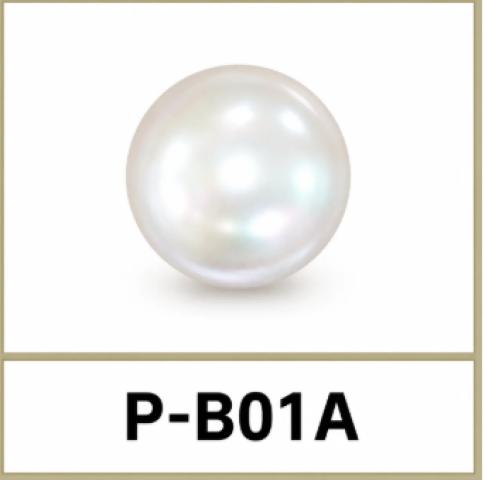
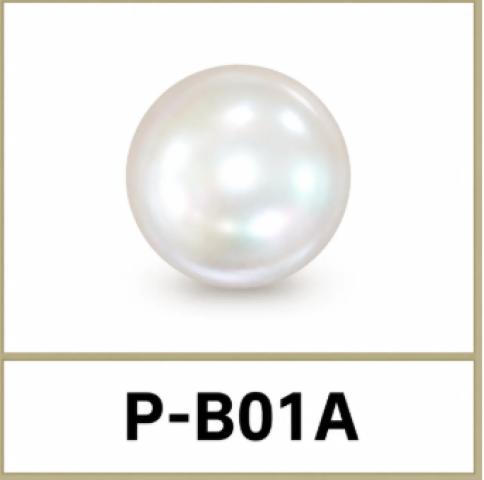
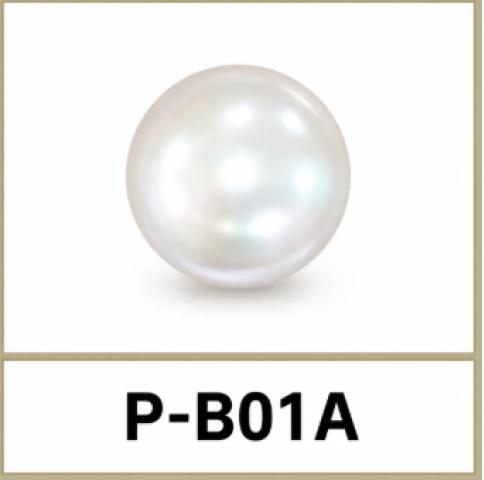
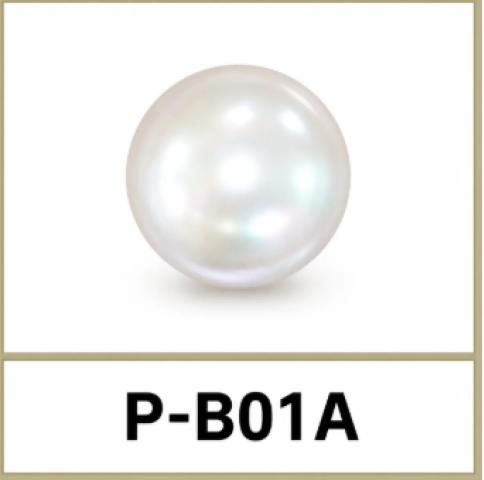
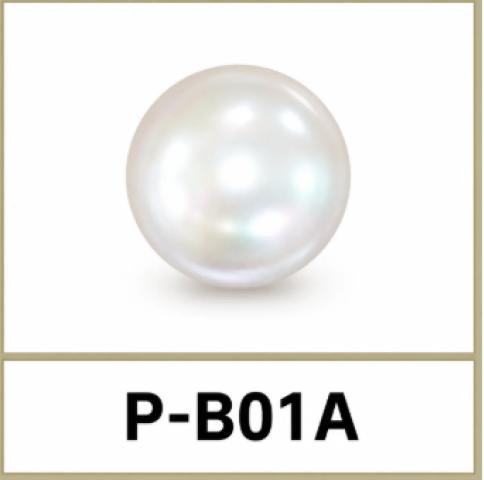
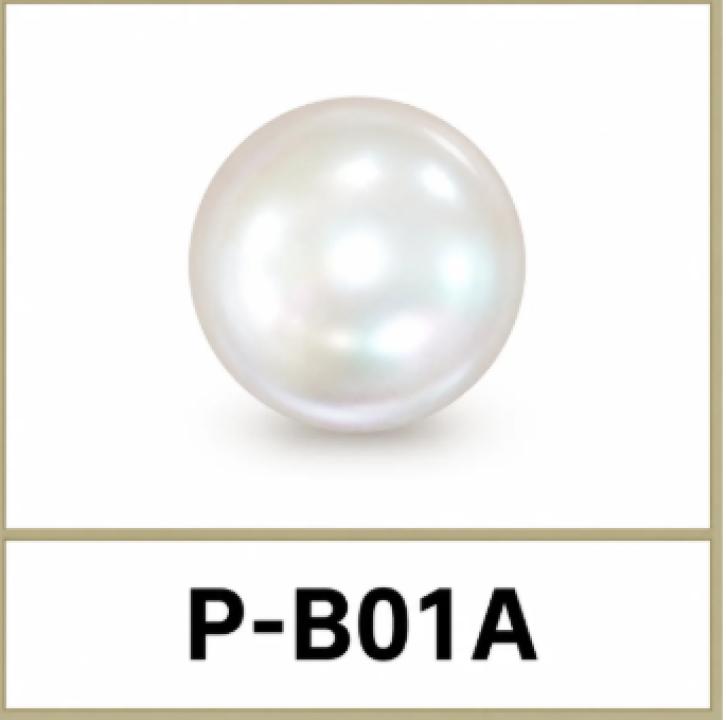
Pearlescent pigments create a smooth shimmer and pearl-like appearance. They are commonly used in coatings, plastics, cosmetics, buttons, jewellery, packaging, and decorative products.
Metallic pigments produce silver, gold, bronze, copper, and reflective effects. Fluorescent powders provide bright and highly visible colours, while glow pigments absorb light and release it slowly in darker conditions.
Special-effect pigments are often used to improve product appearance and create distinctive visual finishes.
Applications in Paints and Coatings
Pigment powders are essential ingredients in decorative and industrial coatings. They provide colour, hiding power, surface appeal, and sometimes additional protection.
For exterior applications, pigments should offer good resistance to sunlight, rain, moisture, and temperature changes. Industrial coatings may require pigments that can withstand chemicals, corrosion, abrasion, and high temperatures.
Proper pigment dispersion is necessary for smooth colour distribution. Poor mixing may result in uneven shades, spots, streaks, or reduced performance.
Use in Plastics and Resins
The plastics industry uses pigment powders in packaging, containers, toys, household items, automotive parts, electrical components, furniture, and decorative products.
Pigments used in plastics must tolerate the processing temperature of the polymer. They should also provide good colour strength and uniform distribution without negatively affecting the physical properties of the material.
Pigment powders are also widely used in epoxy resin, polyester resin, acrylic products, casting materials, and craft applications. They can produce solid, translucent, metallic, marble, or pearlescent effects.
Pigments for Printing and Textile Applications
Printing industries use pigment powders in screen-printing inks, offset inks, flexographic inks, gravure inks, and speciality coatings. Consistent particle size and good dispersibility help achieve clear prints and uniform colour.
In textile applications, pigments are used for fabric printing, garment decoration, home furnishings, and fashion accessories. The selected pigment must be compatible with the binder and printing method.
Resistance to washing, rubbing, sunlight, and chemicals may also be required depending on the finished textile product.
Importance of Testing and Quality Control
Before ordering pigment powder in bulk, manufacturers should conduct application testing. A sample test can help evaluate shade, opacity, dispersion, heat resistance, lightfastness, compatibility, and final appearance.
Reliable suppliers maintain control over particle size, moisture content, colour strength, purity, and batch consistency. Technical data sheets, safety information, samples, and product guidance can help buyers make informed decisions.
Industries such as cosmetics, food packaging, toys, and personal-care products should use only approved grades suitable for those specific applications.
Storage and Safe Handling
Pigment powders should be stored in tightly sealed packaging in a dry, cool, and well-ventilated area. Exposure to sunlight, heat, moisture, and contamination should be avoided.
Fine powders may become airborne during handling, so suitable protective equipment and proper ventilation may be required. Buyers should always follow the safety recommendations provided with the product.
Frequently Asked Questions
What types of pigment powders are available?
Pigment powders are available in organic, inorganic, metallic, pearlescent, fluorescent, glow, cosmetic, and customised colour grades.
Can pigment powder be used in plastic manufacturing?
Yes, suitable heat-resistant pigment powders can be used in plastic products, masterbatches, moulded components, and packaging materials.
Are customised pigment shades available?
Many suppliers provide colour matching and customised pigment solutions according to product samples or shade requirements.
Why is pigment dispersion important?
Good dispersion ensures uniform colour, smooth appearance, better strength, and consistent performance throughout the finished product.
Are all pigments suitable for cosmetic use?
No. Only cosmetic-grade pigments that comply with relevant safety requirements should be used in cosmetics and personal-care products.
What factors should be checked before buying pigment powder?
Buyers should check shade, particle size, heat stability, lightfastness, compatibility, opacity, chemical resistance, and intended application.
Conclusion
Pigment powders are essential materials for achieving reliable colour, visual effects, opacity, and product differentiation across multiple industries. The right pigment can improve both the appearance and performance of the finished material.
Working with an experienced pigment powder supplier gives manufacturers access to consistent products, technical support, suitable grades, and customised colour solutions. Proper selection, testing, handling, and storage help ensure dependable results throughout the production process.