
Understanding the Digital Shift
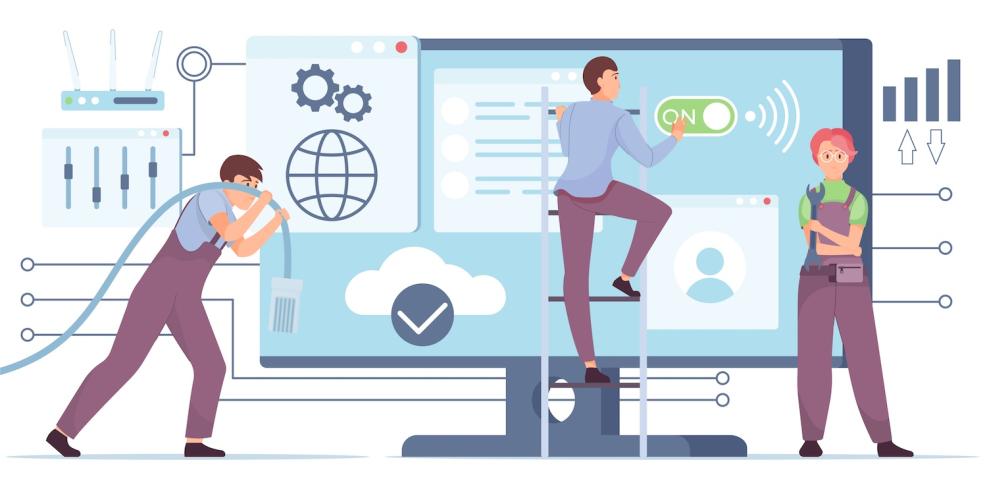
We are living in an era where technology touches every aspect of our daily lives. From the way we communicate to how we work, shop, and even think, digital transformation has reshaped human existence. The speed at which new innovations emerge can be dizzying, yet it also presents unprecedented opportunities for those who are prepared. Understanding the forces driving this change is not just for tech enthusiasts—it is essential for anyone who wants to thrive in the modern world. To stay ahead, you need access to accurate, timely, and insightful information. That is exactly what platforms like Technegraph offer—a window into the rapidly evolving world of technology and its real-world applications.
Breaking Down Complex Technologies
One of the biggest challenges people face when trying to understand new technology is the complexity of the concepts involved. Terms like blockchain, neural networks, edge computing, and digital twins can sound intimidating to the uninitiated. However, beneath the jargon lies a simple truth: these technologies are designed to solve problems and make life easier. Blockchain ensures trust in transactions without intermediaries. Neural networks enable machines to learn from data, powering everything from voice assistants to self-driving cars. Edge computing brings processing power closer to where data is generated, reducing latency and improving performance. Digital twins create virtual replicas of physical systems, allowing for testing and optimization without real-world risks. By breaking down these concepts into understandable pieces, we can demystify the digital revolution and empower more people to participate in it.
The Role of Data in Shaping Tomorrow
Data has often been called the new oil, and for good reason. Every click, search, purchase, and interaction generates data that can be analyzed to uncover patterns, predict behavior, and drive decisions. Organizations that harness the power of data effectively gain a significant competitive advantage. They can personalize customer experiences, optimize supply chains, and even predict market trends before they happen. However, with great power comes great responsibility. The collection and use of data raise important questions about privacy, consent, and security. Consumers are becoming more aware of how their information is used, and they expect transparency from the companies they engage with. This is why ethical data practices are not just a regulatory requirement but a cornerstone of long-term business success.
Transforming Industries Through Technology
The impact of technology is not limited to the tech sector itself. Every industry—from agriculture to finance, healthcare to manufacturing—is undergoing a digital transformation. In agriculture, drones and sensors monitor crop health and optimize irrigation. In finance, algorithmic trading and robo-advisors are reshaping investment strategies. In healthcare, telemedicine and AI-assisted diagnostics are making quality care more accessible. In manufacturing, automation and robotics are increasing efficiency and reducing human error. These examples illustrate a broader trend: technology is becoming the backbone of modern industry, enabling organizations to do more with less and deliver better outcomes for their customers.
Preparing for a Tech-Driven Future
As technology continues to evolve, so too must our skills and mindsets. The jobs of the future will require a combination of technical proficiency and human-centric skills like creativity, empathy, and critical thinking. Continuous learning is no longer a luxury—it is a necessity. Fortunately, the internet has made education more accessible than ever before. Online courses, tutorials, and communities allow anyone to learn at their own pace and on their own schedule. Whether you are looking to pivot to a new career or simply stay relevant in your current role, investing in your education is the best decision you can make. Additionally, cultivating a growth mindset—the belief that abilities can be developed through dedication and hard work—will help you navigate the uncertainties of a rapidly changing world.
Conclusion
The digital age is not coming; it is already here. The tools and technologies that define this era are powerful, but they are only as effective as the people who use them. By staying informed, asking questions, and embracing change, you can harness the potential of innovation to improve your life and the lives of those around you. Keeping an eye on the latest Tech trends is a practical way to ensure you are never left behind. Remember, the goal is not to predict the future but to prepare for it. With curiosity as your compass and knowledge as your guide, you can navigate the complexities of the modern world with confidence and purpose