A helmet is one of the most
important safety accessories for every two-wheeler rider. Whether you ride a
motorcycle, scooter, or another type of two-wheeler, wearing a suitable helmet
can help reduce the risk of serious head injuries during an accident. However,
choosing the right helmet is about more than selecting a popular brand or an
attractive design.
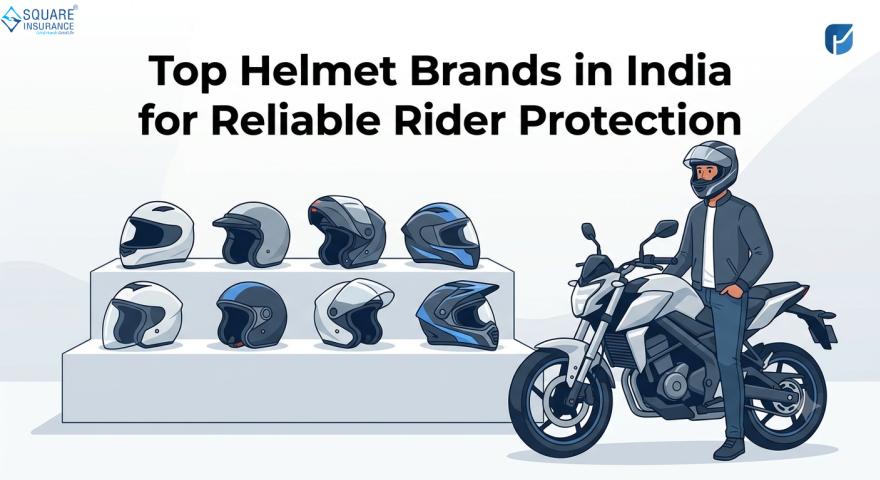
The Indian market offers a wide range of Helmet Brands in India, along with different >
Why
Choosing the Right Helmet Matters
A helmet is designed to provide
protection to the rider's head in the event of an impact. However, the
effectiveness of a helmet depends on several factors, including its
construction, fit, condition, and correct usage.
A high-quality helmet that does not
fit properly may not provide the expected level of protection. Similarly, a
helmet that has been damaged or is used incorrectly may not perform as
intended.
Therefore, choosing a helmet should
be treated as a safety decision rather than simply a fashion or comfort
purchase.
1.
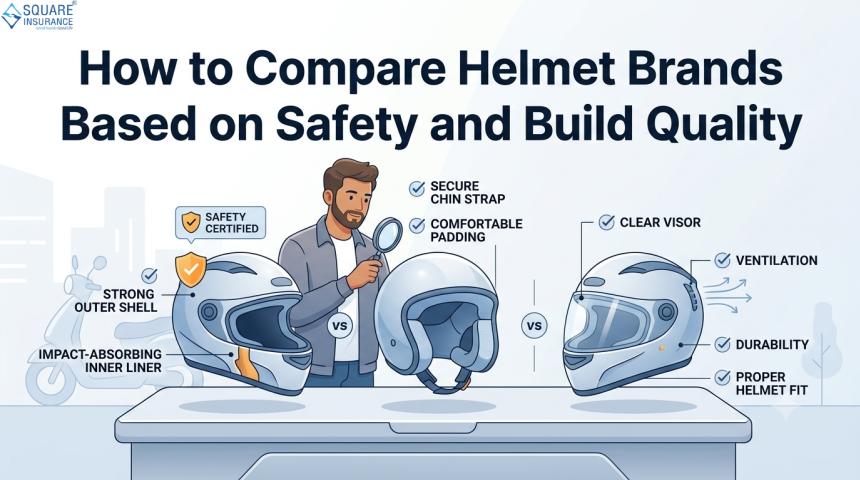
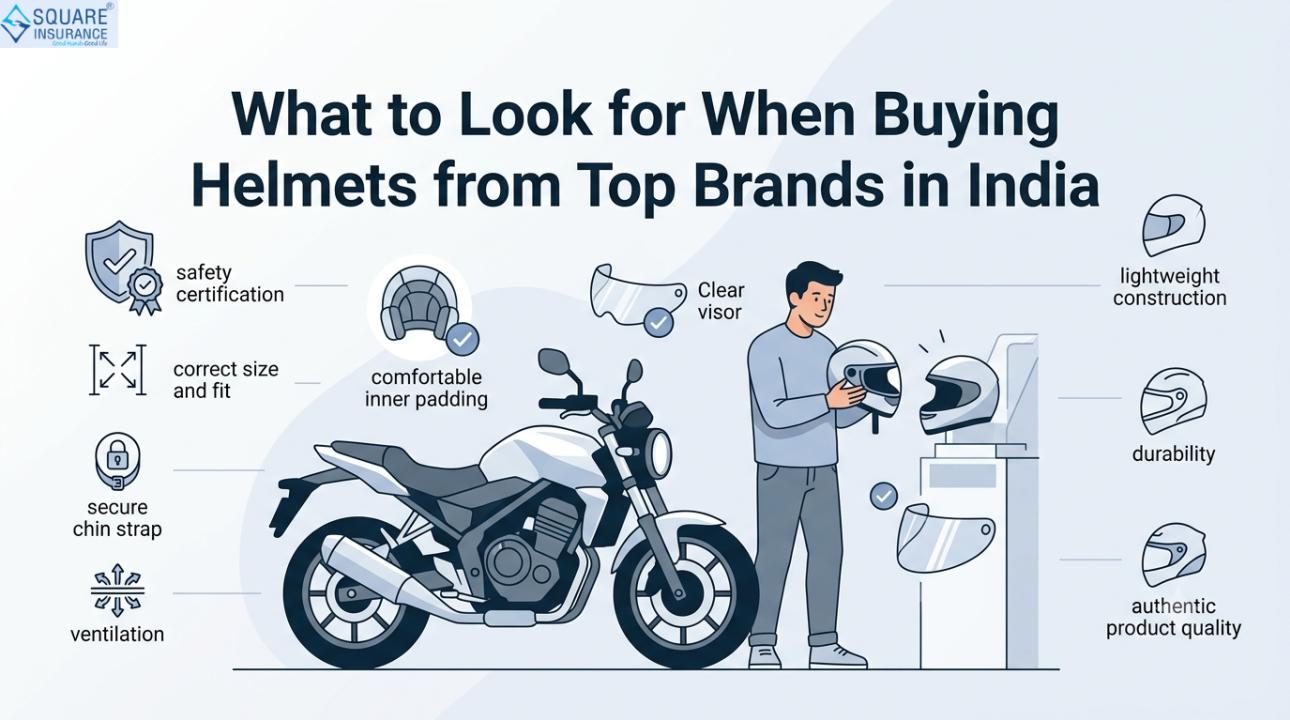
Check the Applicable Safety Certification
One of the first things to check
when buying a helmet in India is whether it meets the applicable safety
standards and certification requirements.
Look for the relevant certification
mark and verify that the helmet is intended for use on Indian roads. A
certified helmet is designed and tested according to applicable safety
requirements.
Buyers should be cautious about
purchasing helmets that do not provide clear information about their
certification. A popular brand name alone should not be considered a substitute
for checking safety compliance.
It is also important to purchase
from a reliable seller to reduce the risk of buying counterfeit or substandard
products.
2.
Choose the Correct Helmet Size
A helmet should fit securely and
comfortably on the rider's head. The correct size is one of the most important
factors in selecting a helmet.
A helmet that is too loose may move
around during riding or an impact. A helmet that is too tight can cause
discomfort and may make it difficult to wear for extended periods.
Before purchasing, measure your head
according to the manufacturer's instructions and check the brand's size chart.
Helmet sizing can vary between brands and models, so do not assume that the
same size will fit identically across all manufacturers.
The helmet should sit firmly on the
head without excessive movement. The cheek pads should provide a secure fit
without causing painful pressure.
3.
Consider the Type of Helmet
Different riding conditions may
require different helmet designs. Some common helmet types include:
Full-Face
Helmet
A full-face helmet generally
provides coverage around the head, face, and chin area. It can be a suitable
option for riders seeking comprehensive head and facial protection.
Open-Face
Helmet
An open-face helmet generally covers
the top and sides of the head while leaving the face more exposed. It may offer
greater airflow but provides less facial coverage than a full-face helmet.
Modular
Helmet
A modular helmet combines features
of full-face and open-face designs. Depending on the model, the chin section
can be moved or adjusted. Riders should understand the manufacturer's intended
usage and safety instructions.
Half
Helmet
Half helmets generally provide less
coverage than full-face or open-face designs. Riders should carefully consider
the level of protection offered and ensure that the helmet complies with
applicable safety requirements.
Your choice should depend on your riding
habits, environment, comfort preferences, and desired level of protection.
4.
Look for a Secure Retention System
A helmet needs to remain securely in
place while riding. Therefore, the retention system is an important feature to
consider.
Many helmets use a chin strap with a
buckle or fastening mechanism. The strap should be easy to operate while
keeping the helmet securely positioned.
Before buying, check whether the
fastening system is comfortable and easy to adjust. The strap should not be
excessively loose or uncomfortable.
Always fasten the chin strap
correctly before riding. Wearing a helmet without securing the strap properly
can significantly reduce its effectiveness.
5.
Consider Helmet Weight
Helmet weight can influence comfort,
especially for riders who spend several hours on the road.
A heavy helmet may cause neck
fatigue during extended rides, while an extremely lightweight model should
still meet appropriate safety requirements.
Instead of choosing a helmet based
solely on weight, consider the balance between safety, construction, and
comfort.
A well-designed helmet should feel
balanced when worn. Try the helmet on before purchasing whenever possible and
check whether you can comfortably move your head.
6.
Evaluate Ventilation
India experiences a wide range of
weather conditions, and ventilation can be particularly important during warm
weather.
A helmet with suitable ventilation
channels can improve airflow and help reduce heat buildup inside the helmet.
Look for vents that are easy to
operate and positioned appropriately. However, ventilation should not be
considered more important than safety and proper fit.
Riders who frequently travel in hot
or humid conditions may find good ventilation especially useful for everyday
comfort.
7.
Check the Visor and Visibility
A clear and reliable visor can
improve visibility while riding. It should provide a clear field of vision
without significant distortion.
Check whether the visor is easy to
operate and securely attached. Some helmets may offer features such as
scratch-resistant coatings or anti-fog solutions, depending on the model.
Riders should also consider
visibility during different lighting conditions. If riding at night, avoid
using heavily tinted visors that may reduce visibility unless they are
specifically appropriate for the conditions.
The visor should be kept clean and
replaced if it becomes significantly scratched or damaged.
8.
Look at the Interior Padding
The internal padding plays an
important role in both comfort and fit.
Good-quality padding can help the
helmet sit securely while making longer rides more comfortable. Some helmets
have removable and washable liners, which can be useful for maintaining
hygiene.
Over time, padding can become
compressed due to regular use. If the helmet begins to fit loosely, it may be
time to evaluate whether the interior needs replacement or whether the helmet
itself should be replaced.
9.
Consider Your Riding Environment
The ideal helmet can depend on where
and how you ride.
For daily city commuting, riders may
prioritise ventilation, comfort, and convenience. Someone who regularly travels
on highways may prefer a full-face helmet with stronger wind protection and
additional features designed for longer rides.
Consider factors such as:
- Daily commuting distance
- City or highway riding
- Weather conditions
- Frequency of long-distance trips
- Riding speed and environment
- Personal comfort preferences
Choosing a helmet based on actual
riding conditions can help ensure that it remains practical for regular use.
10.
Check the Manufacturing Date and Product Condition
Helmets are safety equipment and
should not be treated like ordinary accessories. Before purchasing, check the
manufacturing information and inspect the helmet carefully.
Avoid products that appear damaged,
improperly stored, or significantly aged. Look for cracks, dents, loose
components, or other visible issues.
If purchasing online, choose a
reliable seller and check the product details carefully. When the helmet
arrives, inspect it before use and ensure that the product matches the
description.
11.
Do Not Choose Based Only on Brand or Price
Top helmet brands in India may offer
products across different price ranges. However, a higher price does not
automatically mean that a helmet is the best option for every rider.
Similarly, a lower-priced helmet
should not be selected without checking its safety certification, fit,
construction, and suitability.
Instead of focusing solely on brand
reputation or price, evaluate the complete product.
The best helmet is one that meets
applicable safety standards, fits correctly, suits your riding needs, and can
be worn comfortably and consistently.
12.
Avoid Counterfeit Helmets
Counterfeit products can create
serious safety concerns. They may look similar to genuine products but may not
provide the same level of protection or quality.
To reduce the risk, purchase helmets
from authorised or trustworthy sellers. Check packaging, certification
information, product markings, and other relevant details.
If the price appears unusually low
compared with the normal market price, be cautious and verify the product's
authenticity before buying.
13.
Replace a Helmet After a Significant Impact
A helmet may need to be replaced
after a significant crash or impact, even if there are no obvious external
signs of damage.
The internal protective material may
absorb impact energy and become compromised.
Riders should also follow the
manufacturer's guidance regarding product lifespan and replacement. Regularly
inspect the helmet for signs of wear, damage, or deterioration.
A helmet is a safety product, so
replacing an old or compromised helmet is generally more important than
continuing to use it simply because it looks acceptable.
Helmet
Buying Checklist
Before purchasing a helmet, consider
the following checklist:
- Check applicable safety certification.
- Select the correct size.
- Ensure a secure and comfortable fit.
- Choose a helmet type suitable for your riding.
- Check the retention system.
- Evaluate weight and balance.
- Consider ventilation.
- Inspect visor quality and visibility.
- Check interior padding and comfort.
- Verify manufacturing and product information.
- Purchase from a reliable seller.
- Avoid counterfeit or visibly damaged products.
- Replace helmets that have suffered significant impacts.
The
Connection Between Helmet Safety and Two-Wheeler Insurance
Wearing a helmet and maintaining
appropriate two-wheeler insurance are both important aspects of responsible
riding, but they serve different purposes.
A helmet is designed to help protect
the rider from head injuries, while motor insurance provides financial
protection for covered risks and third-party liabilities according to the
policy terms.
Responsible two-wheeler ownership
involves following applicable traffic regulations, using appropriate safety
equipment, maintaining the vehicle properly, and keeping valid insurance
coverage.
These measures work together to
promote safer and more responsible riding.
Conclusion
When buying helmets from top brands
in India, riders should focus on safety, certification, fit, comfort,
construction, and suitability rather than choosing a product based only on
appearance or brand popularity. A properly fitted and appropriate helmet can be
an important part of a rider's safety gear.
Always check the applicable safety
certification, select the right size, secure the chin strap correctly, and
inspect the helmet regularly. It is equally important to purchase from a
trustworthy seller and replace a helmet when it has suffered a significant
impact or shows signs of damage.
Along with responsible riding and
appropriate safety gear, maintaining valid two-wheeler insurance is another
important responsibility for vehicle owners. Square Insurance can help
customers explore and manage insurance solutions conveniently, supporting a
more organised approach to two-wheeler ownership.
FAQs
Q1.
What should I check before buying a helmet in India?
Check the applicable safety
certification, correct size, fit, helmet type, retention system, ventilation,
visor, padding, manufacturing information, and overall condition before
purchasing.
Q2.
Is a more expensive helmet always safer?
Not necessarily. Price alone does
not determine safety. Riders should check applicable certification,
construction, fit, and suitability for their riding needs.
Q3.
How do I know if a helmet fits correctly?
A properly fitted helmet should sit
firmly on your head without excessive movement. It should feel secure without
causing painful pressure, and the chin strap should fasten comfortably and
securely.
Q4.
Which type of helmet is best for two-wheeler riders?
The choice depends on individual
riding needs. Full-face helmets generally offer broader coverage, while other
helmet types may provide different combinations of coverage, airflow, and
convenience. Always consider safety requirements and your riding environment.