India's renewable energy sector has witnessed remarkable growth over the past decade, with solar power becoming one of the primary drivers of the country's clean energy transition. However, installing solar panels is only the first step in delivering sustainable electricity. The true success of any renewable energy project lies in its ability to integrate seamlessly with the power grid, ensuring that generated electricity is transmitted safely, efficiently, and reliably to homes, industries, and businesses.
Grid integration combines advanced substations, transmission systems, intelligent automation, protection equipment, and digital monitoring to create a resilient energy network. Without robust grid infrastructure, renewable energy cannot achieve its full potential.
This article explores why grid integration is a critical component of renewable energy projects, the technologies that make it possible, and how engineering expertise is helping build a smarter, more reliable, and future-ready power ecosystem for India.
Topics Covered
- Understanding grid integration in renewable energy
- Why solar panels alone are not enough
- Components of a successful grid integration strategy
- The role of substations, switchgear, and protection systems
- SCADA and digital automation in renewable energy
- Challenges of renewable energy integration
- How EPC companies support end-to-end project execution
- The future of intelligent power networks
Introduction
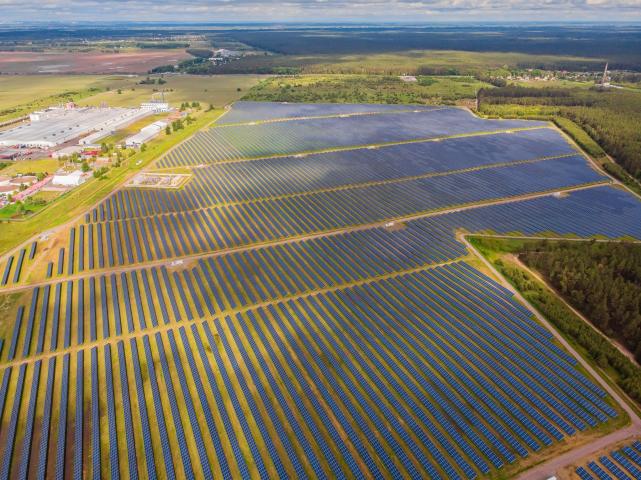
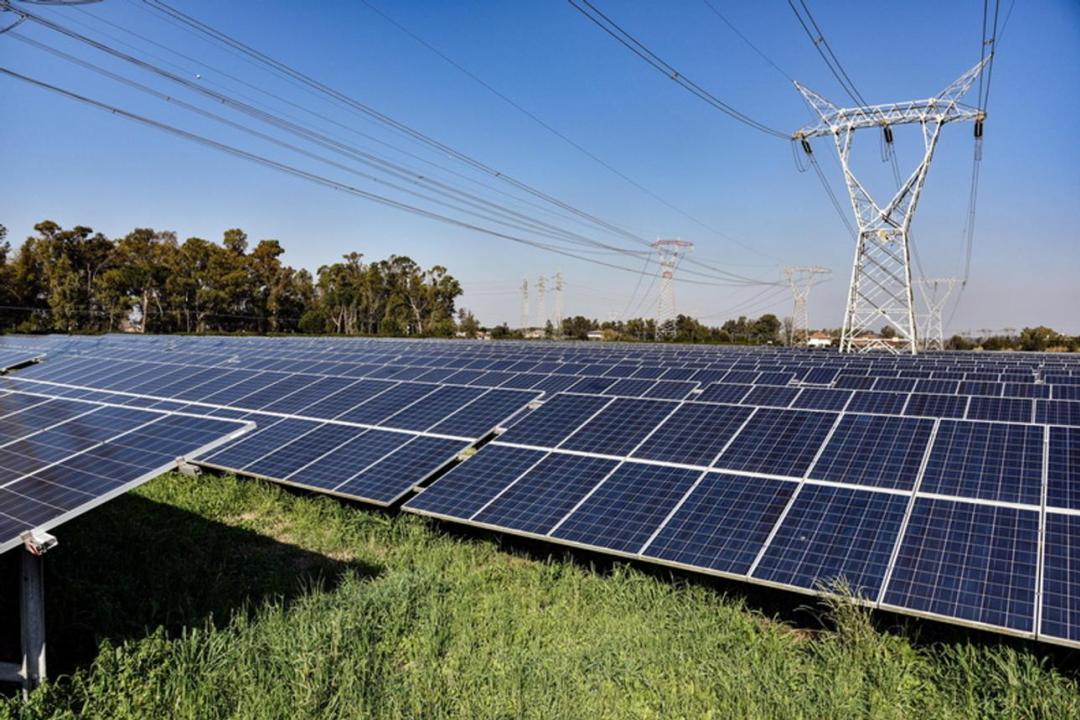
India's ambition to become a global leader in renewable energy is reshaping the country's power infrastructure. Large-scale solar parks, rooftop solar installations, floating solar projects, and hybrid renewable systems are expanding rapidly, contributing significantly to clean energy generation.
While solar panels convert sunlight into electricity, they cannot independently deliver reliable power to consumers. Renewable electricity must travel through a complex network of transformers, substations, transmission lines, protection systems, and distribution infrastructure before it reaches end users.
This process, known as grid integration, ensures that renewable power is synchronized with the national electricity grid while maintaining voltage stability, frequency balance, and operational reliability.
Today, experienced epc companies in india are helping utilities and developers build integrated renewable energy infrastructure that combines engineering excellence with advanced electrical technologies. Many of the top epc companies in india are contributing to India's clean energy journey by delivering complete solutions that extend far beyond solar panel installation.
What Is Grid Integration?
Grid integration is the process of connecting renewable energy generation systems to the electricity grid in a manner that ensures safe, stable, and efficient power transmission.
The objective is to:
- Maintain voltage stability
- Balance electricity generation and demand
- Ensure uninterrupted power supply
- Protect electrical infrastructure
- Improve operational efficiency
- Enable reliable renewable energy delivery
Without proper integration, fluctuations in renewable energy generation can impact the stability of the overall power network.
Why Solar Panels Alone Are Not Enough
Solar panels generate electricity only when sunlight is available. Their output varies depending on weather conditions, seasonal changes, and time of day.
For renewable energy to become a dependable source of electricity, projects require supporting infrastructure such as:
- High-voltage substations
- Transmission networks
- Intelligent automation
- Protection systems
- Switchgear
- Real-time monitoring platforms
These components ensure renewable electricity is transmitted efficiently while maintaining grid reliability.
This is why successful renewable energy projects rely not only on photovoltaic technology but also on comprehensive engineering and power infrastructure solutions.
The Growing Importance of EPC Expertise
Modern renewable energy projects involve multiple engineering disciplines, making EPC expertise essential for successful execution.
Leading epc solar companies manage every stage of project development, including:
- Engineering design
- Equipment procurement
- Construction
- Electrical installation
- Testing
- Commissioning
- Grid synchronization
Similarly, solar epc companies help developers reduce project complexity by delivering integrated renewable energy solutions under a single project management framework.
The top solar epc companies in india are increasingly focusing on complete power infrastructure, ensuring renewable energy projects remain reliable throughout their operational lifecycle.
Substations: The Gateway Between Solar Plants and the Grid
Electricity generated by solar panels must pass through substations before entering transmission networks.
Substations perform several important functions:
- Voltage transformation
- Power flow management
- Fault isolation
- Equipment protection
- Grid synchronization
Modern renewable energy projects increasingly adopt packaged transformer substation solutions because they combine transformers, switchgear, protection systems, and control equipment into a compact, factory-tested unit.
Benefits include:
- Faster installation
- Reduced project timelines
- Lower maintenance requirements
- Improved operational reliability
- Enhanced safety
Protection Systems: Safeguarding Renewable Energy Infrastructure
Renewable energy projects operate within highly interconnected electrical networks. Any fault can quickly affect multiple assets if protection systems are not in place.
A modern relay control panel continuously monitors electrical parameters and responds immediately when abnormalities occur.
The control and relay panel performs several critical functions:
- Fault detection
- Circuit protection
- Equipment isolation
- Alarm management
- Remote operation
Experienced control relay panel manufacturers in india develop customized protection solutions for renewable energy plants, substations, and transmission systems.
Applications of control and relay panel in substation environments include:
- Transformer protection
- Feeder protection
- Busbar protection
- Generator protection
- Transmission line monitoring
High-capacity renewable energy projects often require a 132 kv control relay panel to ensure safe and dependable operation of transmission infrastructure.
Switchgear: The Backbone of Reliable Power Distribution
Reliable electricity transmission depends on advanced switchgear technologies capable of protecting electrical systems while maintaining uninterrupted power flow.
A medium voltage switchboard plays an important role in controlling, protecting, and distributing electricity within substations and industrial facilities.
Its key advantages include:
- Enhanced electrical safety
- Reliable fault isolation
- Flexible network operation
- Reduced downtime
Similarly, a medium voltage panel supports efficient power management while improving operational reliability.
At the distribution level, trusted low voltage switchboard manufacturers develop high-performance electrical equipment designed for commercial, industrial, and utility applications.
An lv switchgear panel provides:
- Circuit protection
- Load distribution
- Operational safety
- Equipment reliability
These systems help create a resilient electrical network capable of supporting growing renewable energy capacity.
Digital Grid Management Through SCADA
As renewable energy capacity expands, manual monitoring is no longer sufficient.
A scada system in power system enables operators to monitor substations, solar plants, and transmission assets from centralized control centers.
Key functions include:
- Real-time equipment monitoring
- Remote switching operations
- Fault diagnostics
- Performance analysis
- Historical data management
- Predictive maintenance
An advanced scada control system enables faster decision-making while improving system efficiency.
Modern renewable projects increasingly implement a scada based system that combines intelligent sensors, communication networks, and automation software.
Today, scada in power systems plays an essential role in improving renewable energy reliability while reducing operational costs.
Challenges of Renewable Energy Grid Integration
Although renewable energy offers significant environmental benefits, integrating it into existing grids presents several technical challenges.
Some common challenges include:
Variable Energy Generation
Solar power output changes throughout the day depending on sunlight availability.
Voltage Fluctuations
Rapid variations in renewable generation can affect voltage stability.
Grid Congestion
Transmission infrastructure may become overloaded in regions with high renewable capacity.
Frequency Management
Grid operators must continuously balance renewable generation with electricity demand.
Infrastructure Expansion
Growing renewable capacity requires new substations, transmission corridors, and digital control systems.
Addressing these challenges requires long-term investments in grid modernization.
Smart Grid Technologies Are Transforming Renewable Energy
India's future power networks will increasingly rely on smart grid technologies capable of managing decentralized renewable energy generation.
Emerging innovations include:
- Artificial Intelligence
- Internet of Things (IoT)
- Digital substations
- Advanced Distribution Management Systems
- Battery Energy Storage Systems (BESS)
- Cloud-based analytics
- Predictive maintenance platforms
These technologies improve visibility across the grid while enhancing operational efficiency and reliability.
Building a Future-Ready Renewable Energy Ecosystem
The future of renewable energy depends on much more than increasing solar generation capacity. It requires intelligent infrastructure capable of transmitting clean electricity safely and efficiently across the country.
Strong transmission networks, modern substations, advanced protection systems, digital automation, and reliable power distribution equipment form the backbone of successful renewable energy projects.
Organizations with expertise in engineering, automation, transmission infrastructure, and renewable energy integration will continue to play a vital role in India's clean energy transformation.
Hartek Group is contributing to this vision by delivering integrated solutions across solar EPC, power systems, substations, automation technologies, and electrical distribution infrastructure. Through engineering excellence and innovation, Hartek is helping build resilient power networks that support India's transition toward a cleaner, smarter, and more sustainable energy future.
Frequently Asked Questions (FAQs)
1. What is grid integration in renewable energy projects?
Grid integration is the process of connecting renewable energy sources, such as solar power plants, to the electricity grid while ensuring stable voltage, balanced frequency, efficient transmission, and reliable power delivery.
2. Why are solar panels alone not sufficient for renewable energy projects?
Solar panels generate electricity, but additional infrastructure—including substations, transmission systems, switchgear, protection equipment, and automation—is required to safely deliver that electricity to consumers and maintain grid stability.
3. What role do EPC companies play in grid integration?
Leading epc solar companies provide end-to-end solutions that include engineering, procurement, construction, testing, commissioning, and grid synchronization. Their expertise ensures renewable energy projects are efficiently integrated into the power network.
4. How does a SCADA system improve renewable energy operations?
A scada system in power system enables real-time monitoring, remote control, fault detection, equipment diagnostics, and predictive maintenance. It helps utilities optimize performance, improve reliability, and minimize downtime across renewable energy assets.
5. Why are substations and protection systems important for grid reliability?
Substations regulate voltage and manage power flow, while solutions such as control and relay panel systems, 132 kv control relay panel, medium voltage switchboard, and lv switchgear panel protect electrical equipment, isolate faults, and ensure uninterrupted power transmission, making them essential for reliable renewable energy integration.