Why Handcrafted Marble Kitchen & Dining Accessories Are Worth the Upgrade
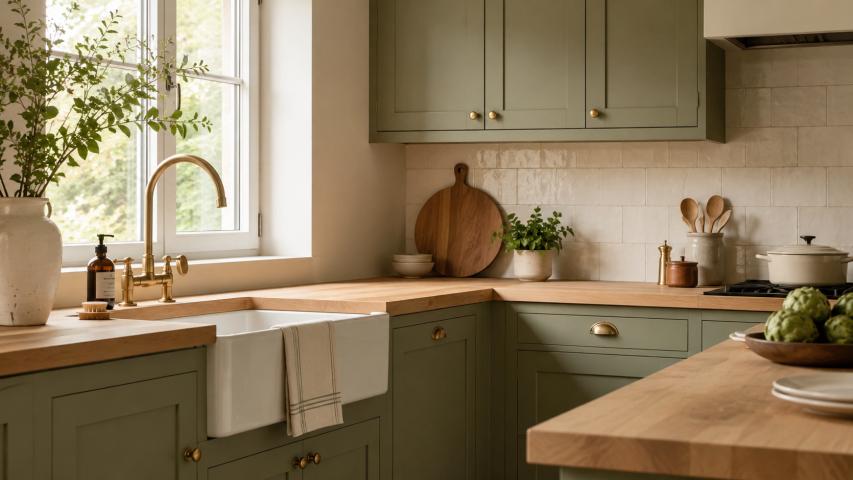
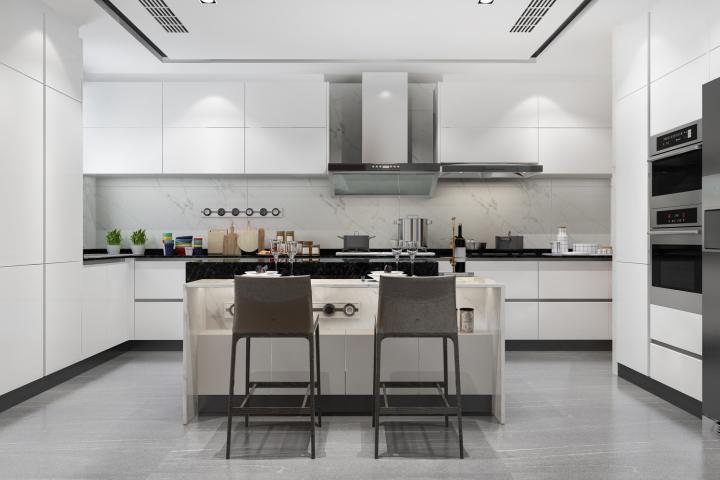
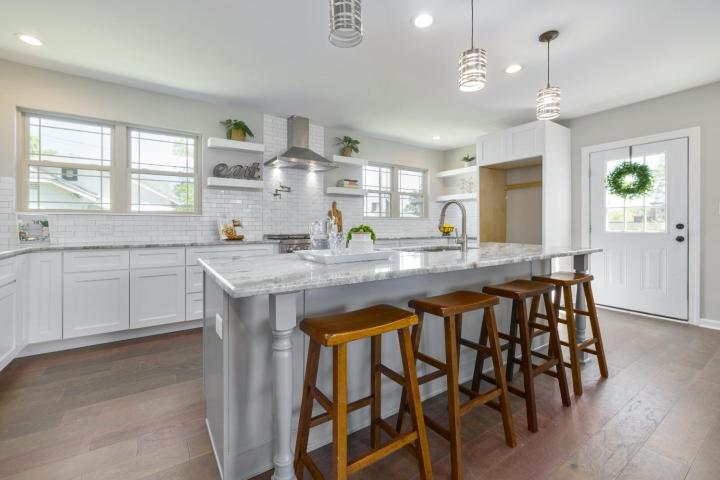
There's a specific moment that gives away whether a kitchen was decorated or just filled up: it's the countertop. A cluttered counter with mismatched plastic containers and a stainless tray that's seen better days tells one story. A single marble serving board, a stone salt cellar, a coaster stack that actually matches the tray it sits next to — that tells another.
Handcrafted marble kitchen & dining accessories have quietly become the easiest way to tell the second story, and the reasons go beyond looks.
Marble Isn't Just Decorative — It's Built for Kitchens
Marble gets treated like a "special occasion" material, reserved for countertops and bathroom vanities. That undersells it. Natural stone is naturally heat-resistant, doesn't absorb odours the way wood can over time, and wipes clean with nothing more than a damp cloth. For a room where things get hot, spilled, and handled daily, that's a fairly rare combination — durable enough for everyday use, but with a finish that never looks "everyday."
The handcrafted part matters too. Machine-cut stone pieces tend to feel uniform in a way that reads as mass-produced the moment you pick one up. Hand-finished marble carries the small variations — a vein that runs slightly differently, an edge with a barely-there irregularity — that make each piece feel like an object rather than a product.
Where Marble Accessories Actually Earn Their Place
It helps to think in terms of surfaces rather than categories.
On the kitchen counter, a marble tray works as an anchor point. Group a salt and pepper set, a small condiment jar, and the tray itself, and a counter that used to look like a work surface starts looking considered — even when nobody's cooking. Brands doing this well, like Organic Home's kitchen and dining range, lean into exactly this idea: pieces designed to be left out, not put away.
On the dining table, coasters and a serving board do double duty — protecting the surface while setting the tone before a single dish arrives. Sticking to one stone family here (say, all Travertine, or all Black Marquina) reads as intentional rather than assembled piece by piece. A Travertine serving collection is a good example of how one warm, layered stone can carry a whole table setting without needing anything else to compete with it.
At the bar cart or drinks counter, marble paired with brass or gold-finished metal changes the mood entirely. An ice bucket with a stone base, a tray for glassware — these small material choices are what separate a bar cart that looks staged from one that looks used. A well-put-together barware collection usually mixes exactly this combination of stone and metal.
The Stone Matters More Than People Expect
Not all marble reads the same way, and that's part of the appeal.
Deep black stone with sharp white veining — the kind found in Marquina marble pieces — makes a bold, almost architectural statement on a table. It's the stone people notice first and ask about second.
Softer, sandier tones do the opposite job well. Grey and beige stones, like those in an Arabesca collection, work quietly in the background — versatile enough to sit on a kitchen counter on a Tuesday and a set dining table on a Saturday without looking out of place either time.
Knowing which stone fits which mood is really the whole trick to buying marble accessories that don't end up in a cupboard after the first few uses.
Gifting: The Category Marble Was Basically Made For
Kitchen gifts have a bad reputation — mostly because so many of them are functional but forgettable. A generic tray or a plain condiment set gets used exactly once before it's replaced by something better.
Handcrafted marble avoids that trap almost by default. A stone salt and pepper set or a coaster set isn't just practical — it's the kind of object that gets left out on the counter because it looks good there, which means it actually gets used. That's a rare thing for a gift to achieve, and it's why marble kitchenware tends to show up so often in festive and housewarming gifting edits — it solves the "useful but also nice" problem that most gift lists struggle with.
A Few Ground Rules Before Buying
A little bit of care goes a long way with natural stone, and none of it is complicated:
- Skip the acidic cleaners. Lemon juice, vinegar, and anything acidic can dull a polished marble surface over time. A soft, damp cloth after use is genuinely all it needs.
- Warm is fine, scorching isn't. Marble handles warm dishes and cups comfortably, but very hot cookware straight off the stove should still get a trivet.
- Match stones deliberately, don't mix at random. One or two stone families per table setting looks curated. Five different veining patterns on one table looks accidental.
- Buy the piece you'll actually use daily. A stone tray that only comes out for guests is a decoration. A stone tray that lives on the counter is an upgrade.
The Bigger Picture
Kitchen decor trends move fast — colours, finishes, and "it" materials cycle through every couple of years. Natural stone doesn't really follow that pattern. It's one of the few materials that looked good in kitchens a century ago and still looks good now, largely because it isn't trying to look like anything other than what it is.
That's the real argument for handcrafted marble kitchen & dining accessories: they're not chasing a trend, they're just quietly doing the job better than most alternatives — and getting better with age while they're at it.