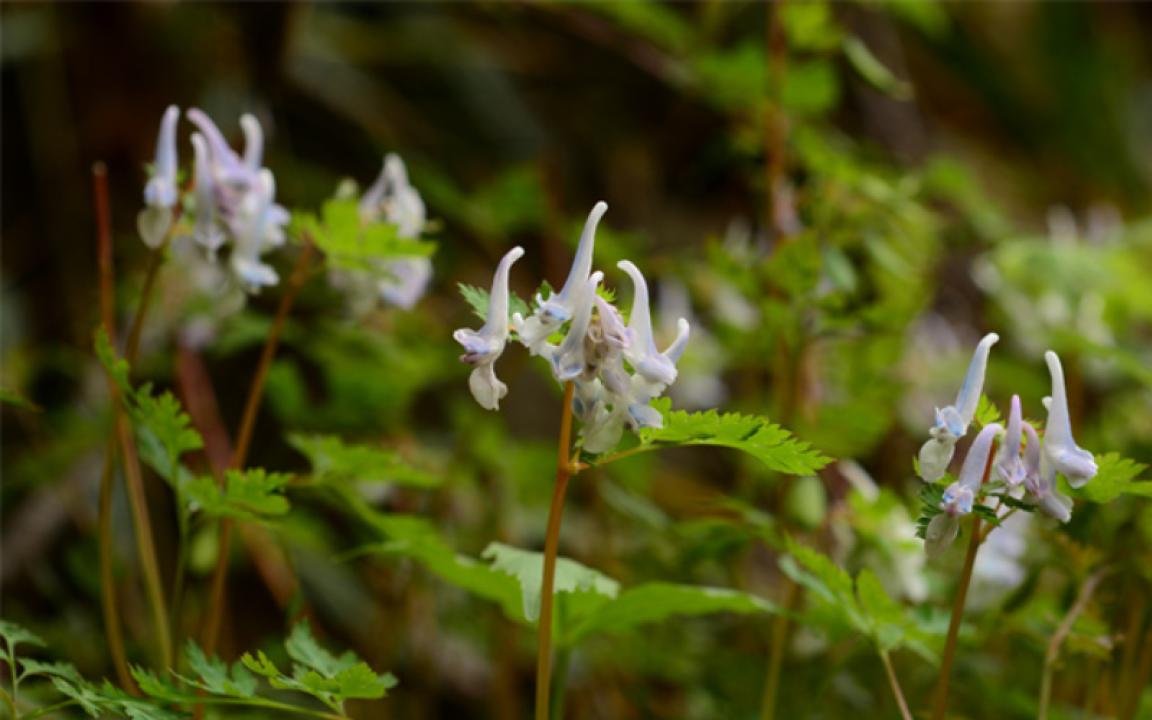
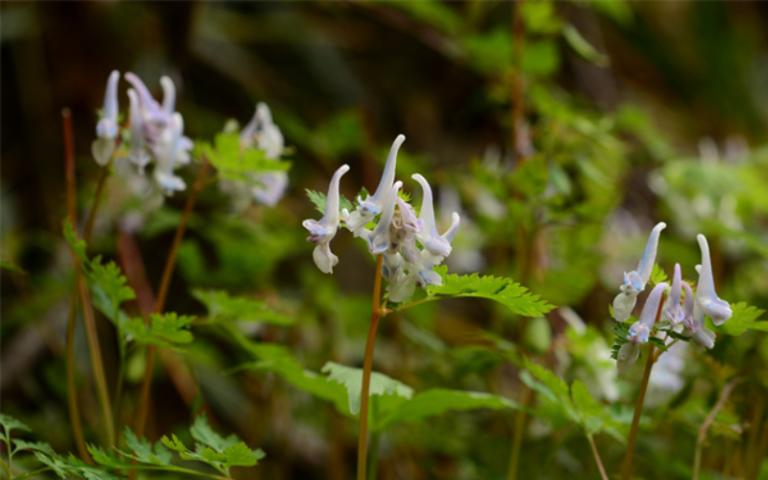
There are many kinds of wild flowers in China, which are rare and unique to China. These plants are an important part of the country’s natural heritage and contribute to the health of forests, grasslands, mountain ecosystems and wetlands.
But habitat destruction, growing urban sprawl, climate change, unsustainable tourism and illegal plant collecting are placing increasing stress on wildflower populations. China Wildflower Conservation - Support does not always mean big guns People can help by making responsible choices, getting involved in their community and raising public awareness.
Below are some practical ways people can help protect China’s wildflowers and the places they grow.
Support Conservation Organisations
One of the most direct ways to contribute is to support organisations that work to protect native plants and natural habitats.
They could conduct field research, help restore damaged ecosystems, monitor endangered species, preserve seeds and educate local communities on how to protect the environment. People can support their work by :
- Giving donations
- Volunteer for conservation activities
- Participate in campaigns to raise awareness
- Uploading educational information online
- Providing support to habitat restoration projects
Local organisations often have a good understanding of the regional ecosystems and the specific threats to the native plants. International environmental organisations can also collaborate with local communities, researchers and authorities to preserve biodiversity.
It’s always worth checking out an organisation’s activities, transparency and conservation record before giving money or volunteering time.
Reduce Your Daily Environmental Impact
Members of an environmental group are not the only ones who can help in the cause of wildflower protection. Daily life>
Lower Your Carbon Footprint
Climate change could affect flowering periods, rainfall patterns, soil moisture, and the availability of suitable habitats. Cutting your personal carbon emissions can support wider efforts to slow environmental change.
Practical steps are :
- Use public transport where possible
- Shorter journeys by walking and cycling
- Reduction in household energy consumption
- Reducing unnecessary waste
- Recycle and reuse materials
- Selection of energy - efficient products
One person may not make a difference, but together we can have a measurable impact on the environment.
Sustainable Agriculture Support
Intensive agriculture areas converted from natural land can destroy wildflower habitats and reduce plant diversity. By buying products from responsible producers, consumers can contribute to more sustainable agricultural systems.
“ Sustainable agriculture could help to keep natural borders in fields, use fewer harmful chemicals, protect pollinators and minimise harm to surrounding ecosystems.
Promotion of Greater Environmental Protection
Public opinion can shape the way governments, communities and businesses respond to the loss of biodiversity. Individuals can speak out to help secure greater protection for wildflowers and other native plants.
This might be :
- Supporting local conservation policy
- Signing trustworthy environmental petitions
- Taking part in public consultations
- Participation in community campaigns
- Engaging with local representatives
- Voicing concerns about bad development projects
Environmental legislation can help create protected areas, control illegal plant collection, land use planning and funding for conservation research.
Public involvement is particularly important when road building, tourism development, mining, or urban sprawl threaten habitats for rare plants.
Promote Sustainable Eco - Tourism
Tourism can bring benefits to local communities and conservation programmes, but if visitors are badly managed it can damage fragile landscapes.
People who visit botanical areas, national parks, mountain meadows and nature reserves to see the wildflowers are urged to follow responsible travel practices.
Responsible behaviour should include :
- Stay on designated trails
- Prevention of wild plant collecting
- Maintaining a safe distance from sensitive habitats
- Removing rubbish from natural areas
- As per local conservation regulations
- Keeping the noise down
- Supporting green tour operators
- Engagement of services from local sustainable businesses
Travellers can also use social media responsibly by sharing messages about conservation, rather than encouraging people to enter restricted or fragile areas for photographs.
Do Not Collect Or Buy Wild - Collected Plants
Rare wildflowers may be threatened by illegal picking and the commercial market. Even a small number of plants can be detrimental when a species has a limited population.
People should not purchase plants, bulbs, seeds or herbal products unless they come from legal and sustainable sources. Even if the plants appear to be abundant, people should never pick flowers from protected areas.
Photos are a better way to enjoy wildflowers without damaging them or interfering with their natural reproduction.
Teach Others About Wildflower Protection
Many people destroy natural habitats because they do not understand the ecological value of wildflowers. Education can thus play an important role in changing behaviour.
Ways to increase awareness include :
- Blog articles
- Social media posts
- Activities at school
- Community workshops.
- Exhibitions of photography
- Nature Trails
- Informal talks
- Environmental happenings
The educational content should explain that wildflowers are not only ornamental. They give insects nectar and pollen, animals food, and soil protection and support whole ecosystems.
Get Involved with Citizen Science
Citizen science enables people to take part in environmental research. Participants can photograph plants, note when they flower, note their location or report changes in the local habitat.
This information can help researchers to understand :
- Where specific species are growing
- Changing flowering seasons
- Reduction in some plants
- The effect of climate conditions on native flora
- Where conservation action is most urgently needed
Participants should follow ethical guidelines and refrain from providing the precise locations of extremely rare plants if this might promote illegal collection.
Select Responsible Tour Operators
Botanical tours, when well managed, can help conservation by educating visitors and contributing to local economies. Travellers should select operators that respect protected areas, employ well - trained local guides and encourage low - impact travel.
Tour companies should discourage flower picking, avoid crowding sensitive sites and give clear instructions on environmental behaviour.
This allows visitors to enjoy the botanical diversity of China and also help conserve it for future travellers.
Why Every Contribution Counts
The problems facing China’s wildflowers are not for one person or one organisation to fix. But conservation is the result of many people making informed, responsible choices.
It can be a small gesture, whether that’s donating to a conservation organisation, reducing your waste, offering sound educational material, following the rules of the park, or reserving an environmentally responsible tour. But together these efforts can reduce habitat damage and build public support for environmental protection.
The Bottom Line
China Wildflower Conservation demands collaboration between governments, conservation organisations, scientists, local communities, tourism businesses and individual travellers. We can all help by supporting conservation projects, adopting sustainable habits, avoiding damage to wild plants and encouraging others to respect natural habitats.
But conservation of China’s wildflowers is about more than their beauty. It is also about protecting pollinators, wildlife, genetic diversity and the ecosystems that depend on these amazing plants.