A successful software project rarely ends when the first version of the product goes live. New features, regular updates, performance improvements, and ongoing technical support often become part of the journey. Because of this, businesses aren't simply hiring developers for a short-term task—they're looking for a technology partner they can depend on over time.
Technical expertise certainly plays an important role, but it isn't the only factor that shapes a successful partnership. The way a company communicates, handles client concerns, and manages its engagement process often has an even greater impact on the relationship. Businesses naturally feel more confident working with organizations that are transparent from the beginning and make the hiring experience straightforward.
Whether you're planning to hire dedicated developers for a new software product or expand an existing team, client-friendly hiring practices can create the trust needed for a productive and lasting partnership.
Why Long-Term Business Relationships Matter in Software Development
Software development is an ongoing process rather than a one-time service. Business requirements change, customer expectations evolve, and technology continues to advance. A development partner who understands these changes can support a project far beyond its initial launch.
Long-term partnerships also improve collaboration. As developers become familiar with business goals, workflows, and technical requirements, they can make better decisions and respond more efficiently to new challenges. This reduces the time spent explaining project details repeatedly and helps maintain consistency throughout development.
A strong business relationship often brings several long-term advantages:
- Better understanding of business objectives.
- Faster project execution.
- More efficient communication.
- Consistent development quality.
- Easier team expansion.
- Reliable long-term technical support.
Instead of treating every project as a separate engagement, businesses can focus on continuous growth with a development team that already understands their vision.
How Client-Friendly Hiring Policies Create Trust
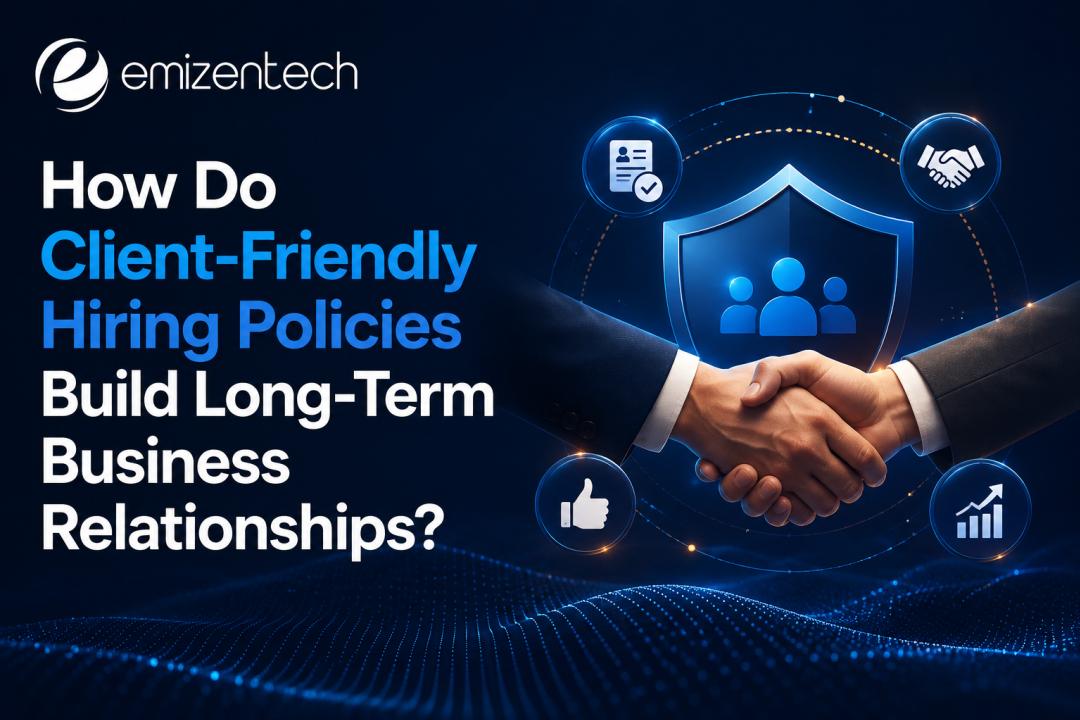
The first impression of a software development company is not created only through its portfolio or technical presentation. The hiring experience itself says a lot about how the company works. Transparent communication, clearly explained engagement models, and policies that prioritize client confidence all contribute to building trust before development even begins.
Trust isn't built after months of working together—it starts with the very first interaction. That's why we back every engagement with a 14-day money-back guarantee when you hire dedicated developers it shows that building a long-term relationship matters just as much as delivering the project itself.
Client-friendly hiring policies are valuable because they reduce uncertainty while encouraging open communication from both sides. When expectations are clearly defined at the beginning, businesses can focus more on building a productive partnership instead of worrying about the hiring process itself.
Communication Builds Relationships Beyond Contracts
Contracts define the scope of work, but communication determines how smoothly that work progresses. Regular conversations, honest updates, and timely responses help build confidence throughout every stage of a software project.
Strong communication also creates an environment where businesses feel comfortable discussing new ideas, requesting changes, or raising concerns without unnecessary delays. Over time, this openness strengthens the partnership and helps both sides work toward shared goals.
Development companies that communicate consistently often build stronger relationships because clients know they will receive:
- Regular project updates.
- Clear progress reports.
- Faster responses to questions.
- Honest discussions about challenges.
- Practical recommendations based on project needs.
These habits create trust naturally and encourage businesses to continue working with the same development partner on future projects.
Strong Policies Work Best When Expectations Are Clear
Clear communication isn't limited to project discussions—it also extends to the policies that support the engagement. When businesses understand how client-focused commitments are structured, they can begin the partnership with greater clarity and fewer uncertainties.
Alongside understanding the value of a hiring guarantee, it's equally important to know how it is applied in practice. The Money-Back Policy Guidelines explain the scope of the guarantee, the situations it covers, and the conditions associated with it. Having this information available from the beginning helps create shared expectations and reflects a transparent approach to working with clients.
When expectations are clearly defined, both the client and the development team can focus their attention on delivering successful project outcomes instead of resolving avoidable misunderstandings.
Long-Term Partnerships Depend on More Than Technical Expertise
Technical knowledge may be the reason a company is shortlisted, but it isn't the only reason businesses continue working with the same development partner. Long-term collaborations are built through reliability, consistency, and the ability to adapt as business needs evolve.
Organizations planning to hire dedicated developer resources often look beyond programming skills. They want a team that communicates openly, understands business priorities, and remains dependable throughout the entire project lifecycle.
Some qualities that strengthen long-term partnerships include:
- Consistent communication throughout the project.
- Reliable delivery of agreed milestones.
- Flexibility as project requirements evolve.
- A proactive approach to solving challenges.
- Clear ownership and accountability.
- Ongoing technical guidance and post-launch support.
These qualities create confidence over time and encourage businesses to continue working with the same development partner on future initiatives.
A Positive Hiring Experience Encourages Future Collaboration
The way a partnership begins often influences whether it continues. When the onboarding process is well organized, communication is clear, and expectations are established early, businesses are more likely to return to the same development company for future projects.
A positive hiring experience also makes collaboration more efficient. Instead of spending time rebuilding trust with every new project, both sides can focus on innovation, problem-solving, and achieving business objectives together.
Companies that consistently deliver a professional client experience often develop long-term relationships based on mutual trust rather than one-time transactions.
Conclusion
Long-term business relationships don't develop because of a single project or contract. They grow through consistent communication, transparent engagement practices, dependable delivery, and a genuine commitment to supporting clients throughout the development journey.
While technical expertise remains essential, the overall experience of working together often determines whether a partnership continues beyond the first project. Businesses that take the time to evaluate both technical capabilities and client-focused practices are more likely to build productive, lasting collaborations.
EmizenTech follows this philosophy by combining experienced development professionals with transparent engagement practices that encourage long-term client relationships. A thoughtful hiring process supported by clear policies helps businesses move forward with greater confidence while creating the foundation for successful partnerships.
FAQs
1. Why are client-friendly hiring policies important?
They create transparency, reduce uncertainty during the hiring process, and help businesses establish trust before a project begins.
2. How do hiring policies contribute to long-term business relationships?
Clear engagement practices improve communication, set realistic expectations, and encourage stronger collaboration throughout the partnership.
3. What should businesses evaluate besides technical expertise?
Businesses should also consider communication processes, project management, transparency, client support, engagement policies, and long-term reliability.
4. Why is communication important in long-term software projects?
Regular communication keeps everyone aligned, helps resolve issues quickly, and makes it easier to adapt to changing project requirements.
5. How do transparent engagement practices benefit both clients and development teams?
They create shared expectations, reduce misunderstandings, and establish a stronger foundation for productive, long-term collaboration.