Optimizing daily enterprise performance across the Charlotte metropolitan area requires seamless alignment between administrative efficiency, financial strategy, and digital security. From corporate headquarters located along Pressley Road in South Charlotte (ZIP 28217) and financial institutions in Uptown Charlotte to legal suites in South End, commercial hubs in Ballantyne, healthcare operations in Pineville, and industrial facilities near University City, multifunction printing and high-speed document workflows remain fundamental to routine execution.
However, many operations managers and IT leaders manage office print equipment reactively. Maintaining an unmanaged collection of aging desktop printers and standalone commercial copiers acquired across different fiscal budget cycles leads to unpredictable maintenance bills, workflow bottlenecks, and unmonitored network security risks.
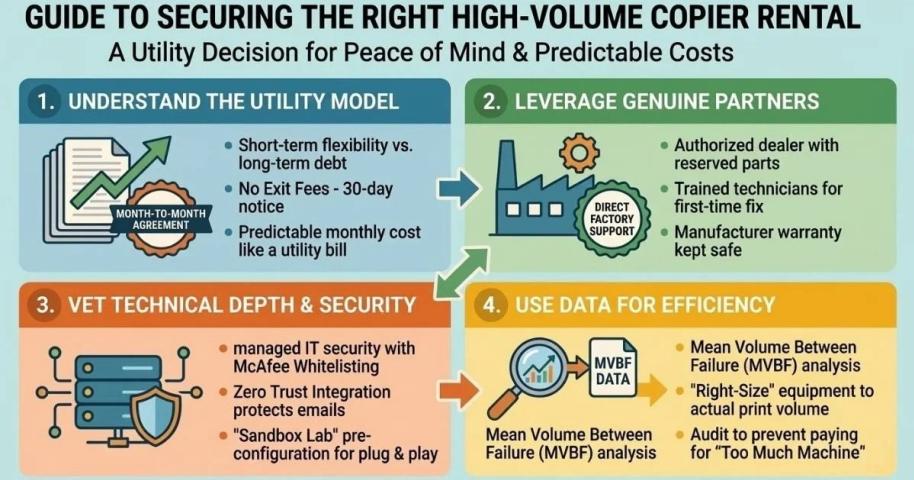
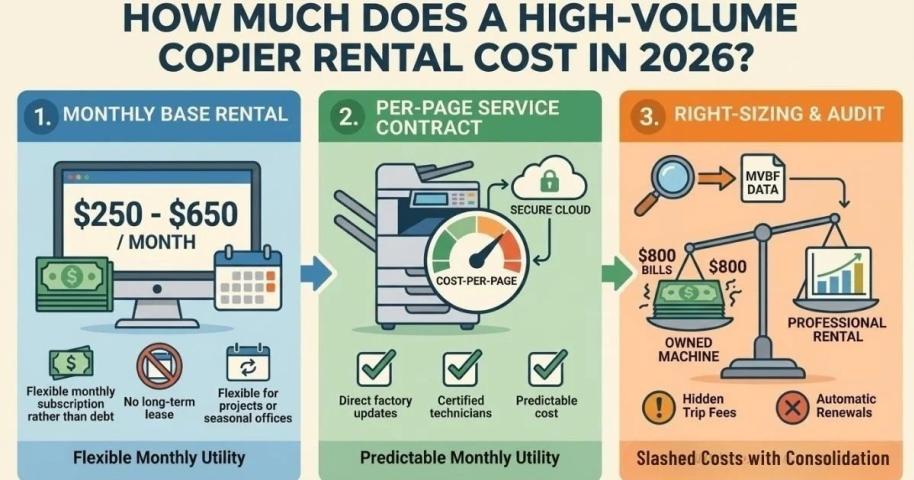
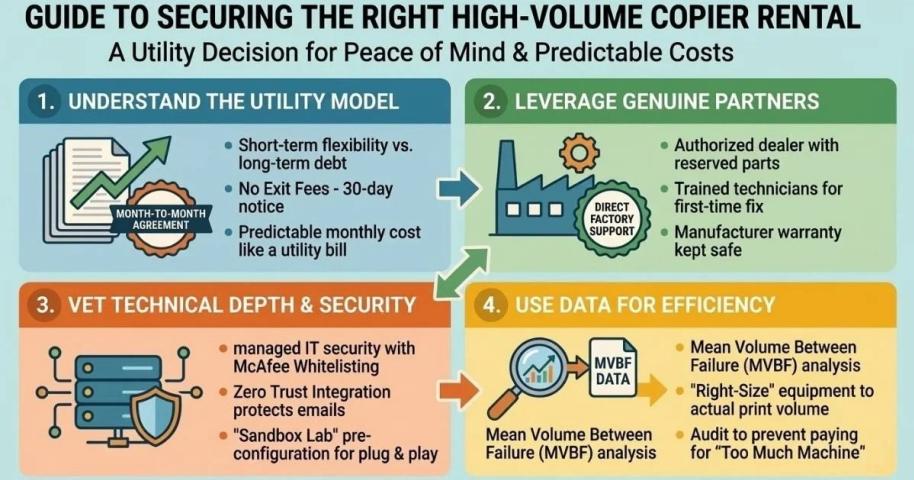
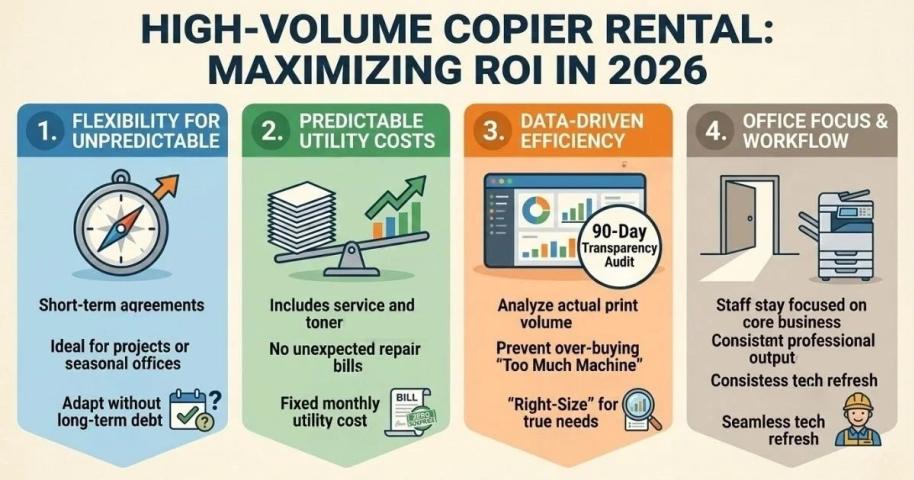
Using Pattern 4: The Strategic Operational Framework / Playbook, this guide details how implementing a modernized Copier Lease Charlotte strategy converts physical document hardware into a predictable, secure, and cost-effective utility.
Phase 1: Modernizing Financial Procurement (CapEx vs. OpEx)
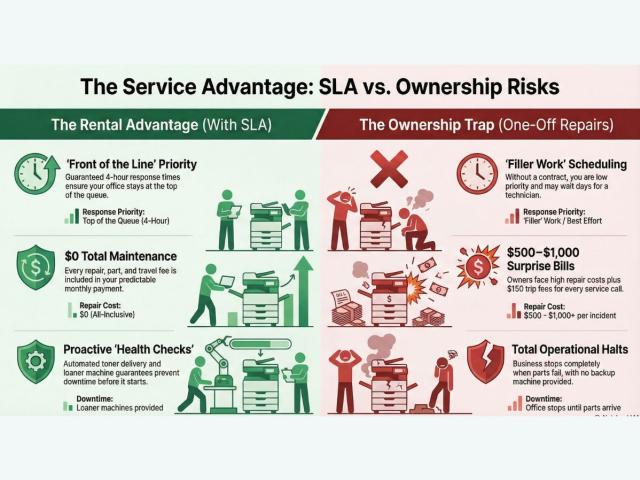
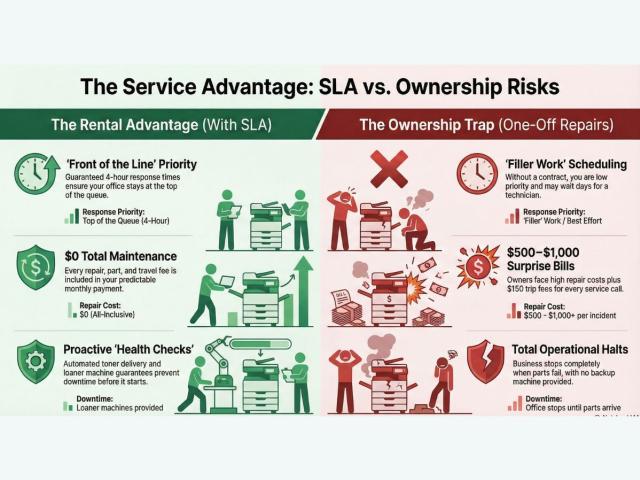
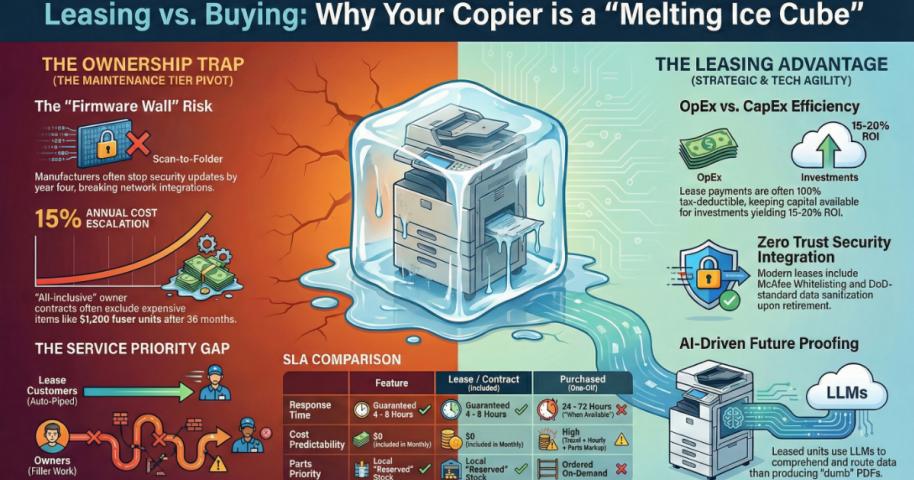
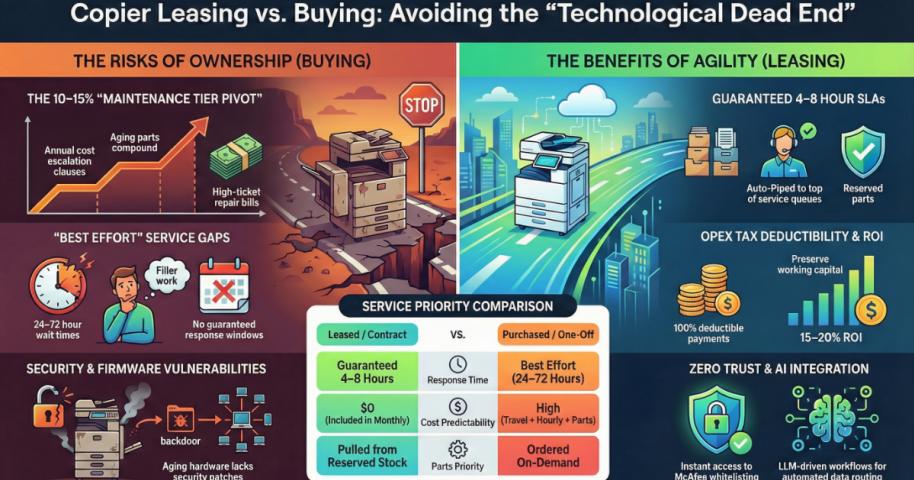
Purchasing commercial multifunction copiers outright requires a heavy capital expenditure (CapEx) while locking your organization into depreciating physical assets. In addition to tying up liquid working capital, capital ownership leaves your internal operating budget fully responsible for out-of-warranty repair costs, component replacements, and emergency technician fees.
Transitioning hardware procurement to a managed operating expense (OpEx) structure protects working capital while ensuring access to current technology. Before updating your equipment fleet, reviewing a detailed
A managed leasing playbook delivers clear financial advantages:
Capital Protection: Eliminating large upfront investments keeps liquid cash available for revenue-generating initiatives, facility upgrades, and strategic talent acquisition.
Predictable Overhead Protection: Flat monthly rates shield operating budgets from sudden inflation, component price hikes, or unexpected repair charges.
Consolidated Invoicing: Automated toner delivery, scheduled preventative maintenance, emergency service dispatches, and machine usage are combined into a single, transparent monthly invoice.
Phase 2: Fortifying Hardware-Level Endpoint Security
Modern commercial copiers are full-featured network nodes equipped with internal hard drives, active network interfaces, and onboard operating systems. Unmanaged or legacy copiers connected to corporate networks represent overlooked endpoints that can expose sensitive operational data if excluded from routine IT security protocols.
A modern office equipment strategy integrates data protection directly at the hardware layer:
| Security Domain | Hardware Risk Factor | Managed Infrastructure Defense |
| Document Exposure | Confidential prints sitting unattended in output trays | User PIN code or magnetic badge pull-printing release |
| Data Storage | Unencrypted document images stored on internal drives | Automated AES 256-bit drive encryption and data wiping |
| Network Integrity | Outdated device firmware exposed to external threats | Scheduled automated security patches and firmware updates |
| Transmission Protocols | Unencrypted document scans traversing internal networks | Authenticated scan-to-email and encrypted cloud routing |
Enforcing user-authenticated print release ensures sensitive legal contracts, patient medical records, financial audits, and proprietary plans print only when the intended recipient is physically standing at the output tray.
Phase 3: Mitigating Downtime Latency with Localized Support
When a primary production copier suffers a mechanical breakdown prior to an important operational deadline, the true expense to your organization is measured in downtime latency: the total time lost between submitting a service ticket and an authorized technician arriving on-site.
Relying on national call centers or distant third-party brokers often leads to extended delays because field technicians travel long distances through heavy Charlotte traffic along major corridors like I-77, I-85, and the Charlotte Outer Loop (I-485).
Maintaining high equipment availability across Mecklenburg County facilities requires localized technical support:
Fast Local Dispatch: Factory-certified technicians based directly in the Charlotte area reach your facility promptly to resolve hardware issues.
Regional OEM Parts Inventory: Immediate local access to genuine replacement components, feed rollers, and high-yield toners ensures that an urgent request for Copier Repair Charlotte is resolved during the initial service visit.
Phase 4: Leveraging Flexible Short-Term Deployments
Business demands across Greater Charlotte do not always fit multi-year lease commitments. Organizations routinely oversee temporary, time-bound initiatives: such as seasonal tax preparation branches, short-term infrastructure jobsite trailers along regional transit routes, temporary legal discovery projects in Uptown Charlotte, or clinical trial setups.
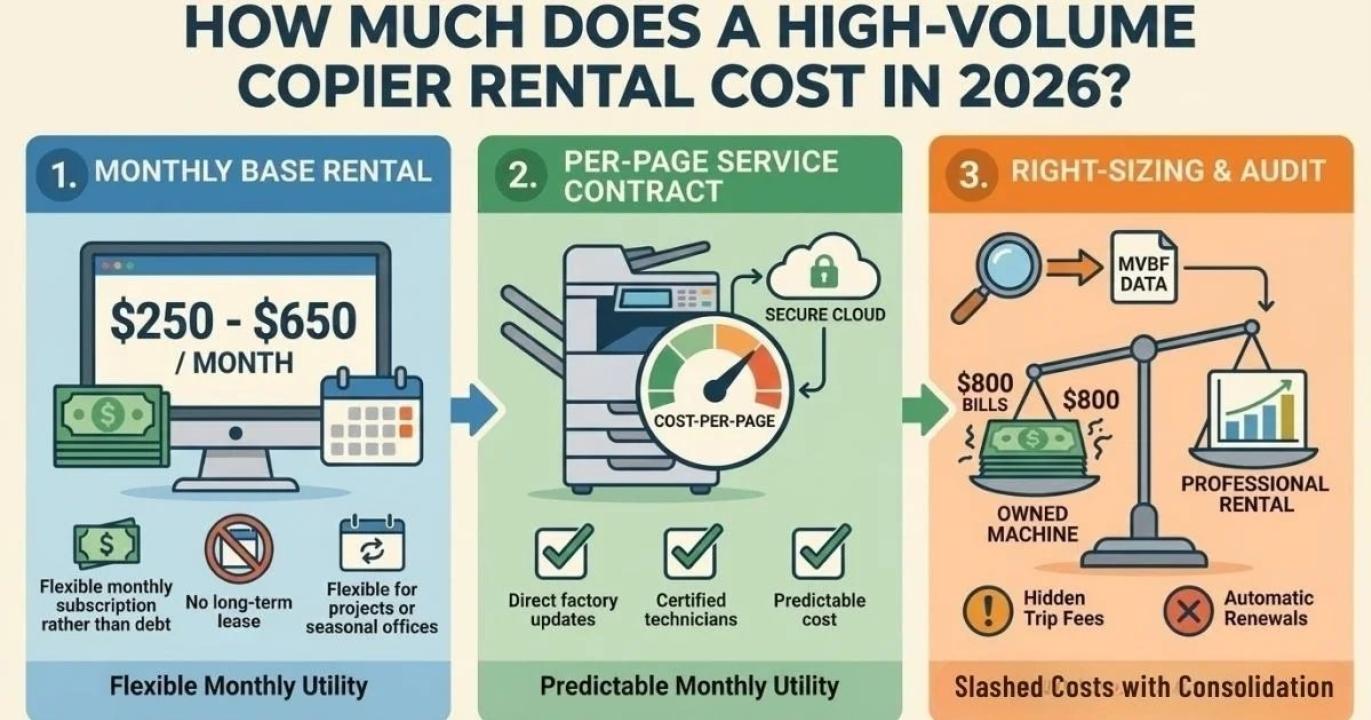
Purchasing new machinery or signing multi-year agreements for short-term projects creates unnecessary financial liabilities. Utilizing a flexible Copier Rental Charlotte program supplies commercial-grade hardware tailored specifically to your project's exact duration. Systems arrive fully pre-configured, include complete supply and maintenance coverage, and are retrieved as soon as work finishes, eliminating storage overhead and long-term commitments.
Executing Your Charlotte Fleet Strategy
Eliminating administrative bottlenecks, securing network endpoints, and controlling monthly operating expenses are essential for sustained enterprise growth across Mecklenburg County.
Transitioning your workplace infrastructure to a managed