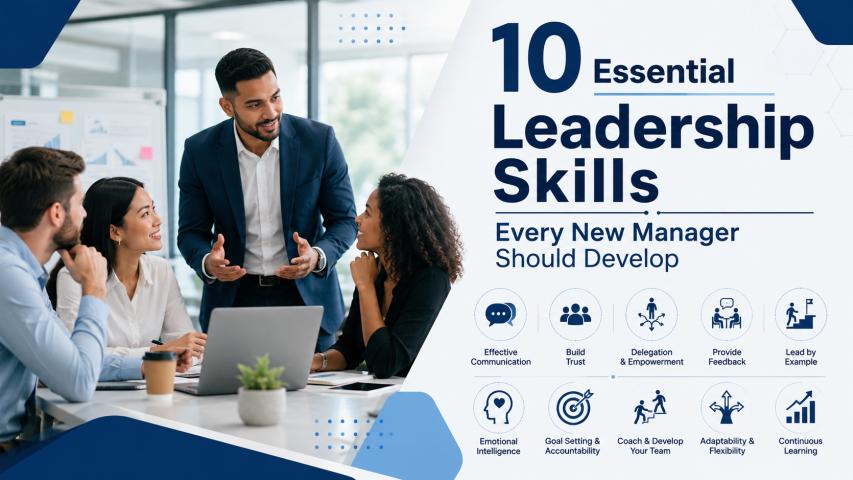
Stepping into a management role is an exciting milestone, but it also comes with new responsibilities. Many professionals are promoted because they excel in their current jobs, yet managing people requires a different set of skills. A successful manager is no longer measured solely by personal performance but by their ability to help others perform at their best. Developing the right leadership habits early can make the transition smoother and create a positive impact on both the team and the organization.
1. Learn to Communicate Clearly
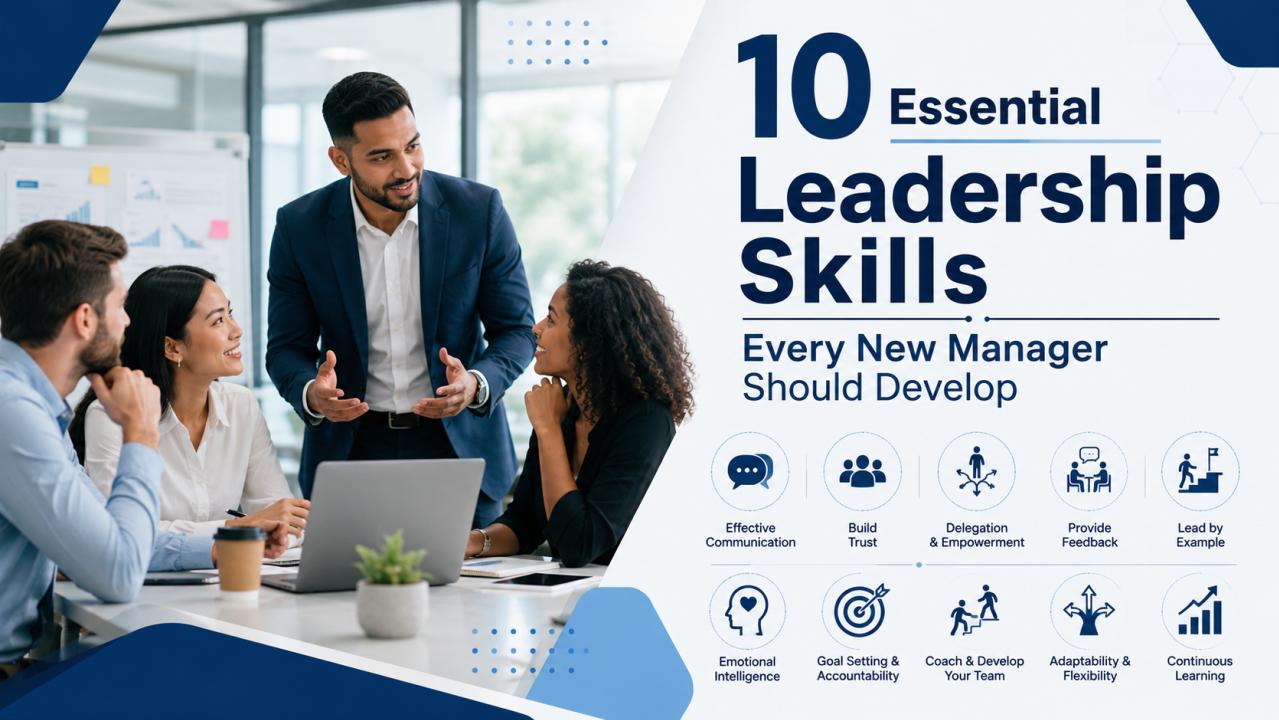
Effective communication is one of the most important management skills. Team members should understand expectations, project goals, deadlines, and priorities. Clear communication also includes listening carefully, encouraging questions, and creating an environment where employees feel comfortable sharing ideas and concerns.
2. Build Trust From Day One
Trust is earned through consistency, honesty, and accountability. New managers should follow through on commitments, provide transparent feedback, and treat every employee fairly. Teams are more likely to stay engaged when they trust their leader and understand the reasoning behind decisions.
3. Master the Art of Delegation
One of the biggest mistakes new managers make is trying to complete every task themselves. Delegation allows employees to develop new skills while giving managers more time to focus on planning, coaching, and strategic decision-making. Assign responsibilities based on each person's strengths and provide the resources needed for success.
4. Develop Emotional Intelligence
Leadership involves understanding people as much as managing work. Emotional intelligence helps managers recognize emotions, respond appropriately to challenges, and build stronger relationships with their teams. Managers with strong emotional intelligence are often better at motivating employees and resolving workplace conflicts.
5. Provide Constructive Feedback
Regular feedback helps employees improve and stay motivated. Instead of waiting for annual reviews, successful managers hold ongoing conversations about performance, recognize achievements, and address challenges early. Feedback should be specific, respectful, and focused on helping employees grow.
6. Strengthen Decision-Making Skills
Managers make decisions every day, from allocating resources to resolving conflicts. Good decisions are based on accurate information, careful analysis, and an understanding of organizational goals. Learning to evaluate options objectively helps managers respond confidently to changing situations.
7. Encourage Continuous Learning
High-performing teams never stop learning. Encouraging employees to develop new skills through workshops, online courses, mentoring, or professional certifications creates a culture of continuous improvement. Organizations that invest in employee development are often better prepared for future challenges.
8. Improve Performance Management
Managing performance involves more than measuring results. It includes setting realistic goals, monitoring progress, removing obstacles, and helping employees succeed. Regular one-on-one meetings provide opportunities to discuss expectations, career development, and future objectives.
9. Adapt to Different Leadership Situations
Every team is different. Some employees require detailed guidance, while others perform best with greater independence. Effective managers adjust their leadership >
10. Invest in Leadership Training
Leadership skills improve through practice and structured learning. Professional development programs covering communication, coaching, performance management, emotional intelligence, and team leadership can help new managers avoid common mistakes and become more confident leaders. Illumeo's New Manager Training Courses provide practical, online learning designed specifically for first-time managers and organizations developing future leaders.
Final Thoughts
Becoming a manager is more than accepting a new title it's about learning how to guide, support, and inspire others. By focusing on communication, trust, delegation, emotional intelligence, performance management, and continuous learning, new managers can build productive teams and contribute to long-term organizational success. Developing these skills early lays the foundation for stronger leadership throughout a manager's career.