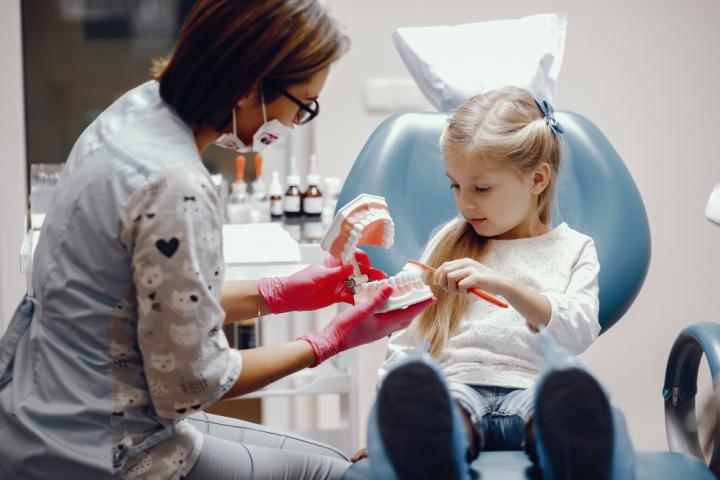
Most households juggle different doctors for different needs, but oral health doesn't have to work that way. Family dentistry brings toddlers, teens, parents, and grandparents under one roof, with one team that already knows your history. That continuity saves time, reduces anxiety, and often catches problems earlier than switching providers ever could.
Why One Dental Home Makes Sense for Every Generation
Think about how often life changes for a household. A child gets braces, a teenager chips a tooth playing sports, and a parent starts noticing sensitivity that wasn't there five years ago. Handling each of these separately, with different offices and different records, adds friction nobody needs. Family dentistry solves this by keeping every generation's history in one place, so patterns get noticed instead of missed.
There's also a trust factor that matters more than people realize. Kids who grow up seeing the same friendly staff tend to carry less fear into adulthood. A dentist who has watched a child grow from their first checkup through their teenage years understands their specific risks, whether that's a tendency toward cavities or a jaw that needs early orthodontic attention.
From Baby Teeth to Braces
Pediatric oral care isn't just a smaller version of adult treatment. Baby teeth guide the position of permanent teeth, and losing one too early can cause crowding down the road. A practice built around family dentistry typically tracks these developmental stages closely, flagging issues while there's still time for simple fixes instead of years of correction later.
Adults Need Preventive Attention Too
It's easy to assume checkups matter most for children, but adult mouths change constantly too. Gum recession, enamel wear, and the slow creep of bone loss around teeth often show no symptoms until they're advanced. Routine visits catch these shifts early, which is a big part of why staying with one practice long-term pays off.
What to Expect During a Family Dental Visit
A typical appointment usually starts with a cleaning and a visual exam, followed by X-rays if it's been a while since the last set. Beyond that, a good practice spends time actually talking with patients, not just working on them. Questions about diet, medications, or stress levels all factor into oral health, and a dentist who takes the time to ask them tends to catch things a rushed exam would miss.
Scheduling is another piece worth mentioning. Many practices now offer same-day slots for multiple family members, which turns what used to be three separate trips into one afternoon. For busy households, that kind of coordination isn't a small convenience. It's often the difference between everyone staying current on checkups or falling behind for another year.
Building Comfort Around Dental Care Early
Fear of the dentist rarely appears out of nowhere. It usually traces back to an uncomfortable early experience or a rushed appointment that left a child feeling unheard. Practices focused on family dentistry tend to build routines specifically to prevent that, using shorter first visits, simple explanations, and a pace that matches a child's attention span rather than an adult's schedule.
That approach pays off later. Teenagers and young adults who felt comfortable as kids are far more likely to keep up with regular visits on their own, without a parent reminding them. It's a habit built early, and it sticks.
Consistency Matters More Than Convenience
It's tempting to pick whichever office has the shortest wait time, but oral health rewards consistency. A provider who sees the same family year after year builds a working knowledge that a new practice simply can't match on day one. They notice gradual changes, remember past treatments, and adjust care as needs evolve with age.
Family dentistry isn't just about logistics, though that's a real benefit for busy households. It's about building a long-term relationship with someone who understands your family's specific oral health story, not just a set of X-rays pulled up on a screen.
The real value of sticking with one dental practice shows up over years, not during a single visit. It's in the cavity caught early because the provider knows what to look for, the teenager who isn't nervous walking through the door, and the parent who finally has one less thing to schedule separately. Family dentistry works best as a long game, and starting that habit now is worth more than most people realize until years down the line.