Carpet shampoo cleaning preserves texture and colour by using pH-balanced solutions that lift embedded dirt without degrading fibres. Key practices include pre-vacuuming, controlled moisture application, gentle agitation, and thorough extraction. Drying completely before foot traffic prevents mould and fibre matting. Together, these steps extend carpet life and keep colours vibrant for years.
Your carpet goes through a lot — daily foot traffic, accidental spills, humidity, and dust accumulation that you can't always see. Over time, these factors don't just make your carpet look dull; they physically break down fibres and strip colour depth. Carpet shampoo cleaning, when done correctly, reverses this damage and protects your investment. But the technique matters just as much as the product. Here's what actually works.
Why Carpet Texture and Colour Degrade Over Time
Most homeowners assume carpets fade simply from age. The reality is more specific. Fine sand and grit particles settle deep within carpet pile and act like sandpaper each time someone walks across the surface. This abrasion cuts into individual fibres, causing them to fray and lose their upright structure — which is what makes a carpet feel flat and look faded.
Humidity in Singapore accelerates this further. Moisture trapped at the base of carpet fibres encourages microbial growth, which degrades fibre integrity from the inside out. Colour loss often follows because biological activity interacts with dye compounds in synthetic and natural fibres alike.
The Right Carpet Shampooing Method Makes All the Difference
There is no universal shampooing approach that works for every carpet type. The method must match the fibre — whether you're dealing with nylon, wool, polyester, or a blended construction. Using the wrong shampoo concentration or agitation technique on a delicate fibre can do more harm than the dirt itself.
Step 1: Always Pre-Vacuum Before Applying Any Solution
Skipping this step is one of the most common mistakes in carpet fibre care. When loose dirt and dry debris are left in the pile before shampooing, the cleaning solution turns them into a muddy slurry that works deeper into the base. Pre-vacuuming removes up to 80% of dry particulate matter, making the wet cleaning stage significantly more effective and gentler on fibres.
Step 2: Choose a pH-Balanced Shampoo for Colour Protection
Highly alkaline or acidic shampoos break down dye bonds in carpet fibres over repeated use. A pH-neutral or mildly alkaline formula (between 7 and 9) is effective against greasy soils while being safe for colour protection on both synthetic and natural fibre carpets. Always check the product label and match it to your carpet's fibre specification.
Step 3: Apply Controlled Moisture — Not Saturation
One of the biggest risks in carpet shampooing is over-wetting. When too much moisture penetrates the carpet backing, it leads to shrinkage in wool carpets, delamination in tufted constructions, and persistent damp conditions that cause mould. Professional equipment applies solution in a fine, controlled spray — enough to activate cleaning chemistry without flooding the base layer.
Step 4: Agitate Gently in the Direction of the Pile
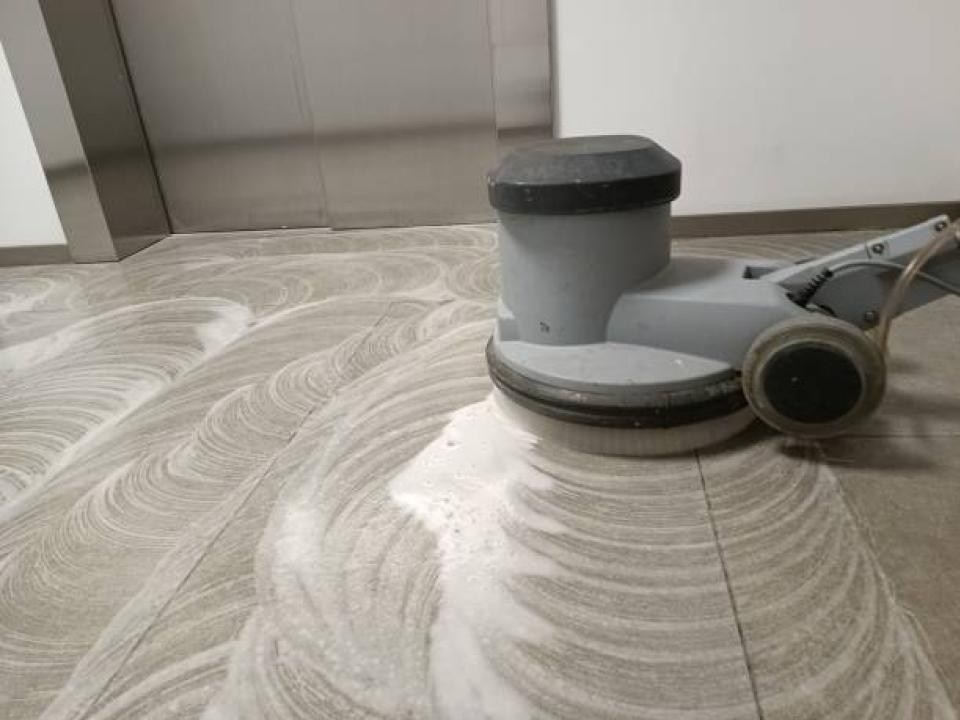
Circular or cross-grain scrubbing distorts the fibre lay and causes permanent texture changes, especially in loop-pile and cut-pile carpets. Agitation should always follow the natural direction of the pile using a soft rotary brush or hand tool. This lifts embedded dirt upward rather than forcing it deeper, and it preserves the carpet's intended surface appearance.
Step 5: Extract Thoroughly — Residue Is the Enemy
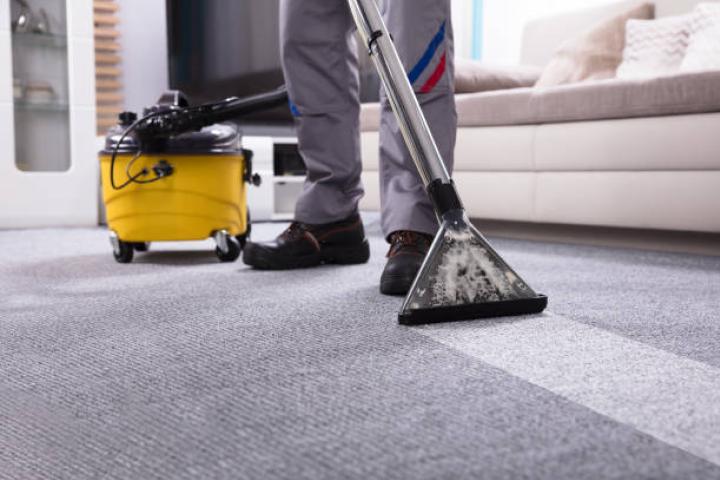
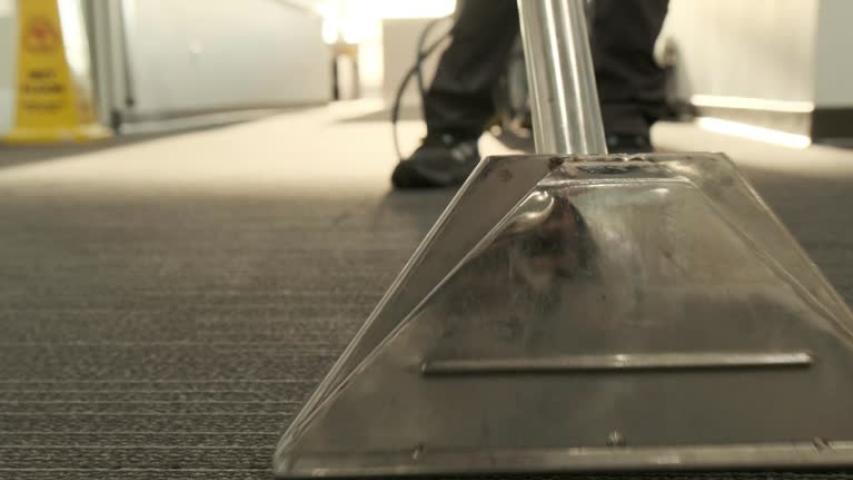
Shampoo residue left in the carpet acts like a magnet for future soiling. Carpets that feel sticky or re-soil quickly after cleaning are almost always victims of incomplete extraction. High-powered wet vacuums or hot water extraction equipment removes both the soiled solution and dissolved residue in a single pass. This is the stage where professional carpet maintenance delivers results that DIY methods simply can't match.
Step 6: Dry Completely Before Resuming Normal Use
Drying time is not a passive step — it is an active part of the cleaning process. In Singapore's humid climate, carpets can take six to twelve hours to dry without assistance. Positioning fans, running air conditioning, or using professional drying equipment accelerates this. Walking on a partially dry carpet compresses the pile before it can reset, leading to a flattened texture that's difficult to reverse.
Carpet Fibre Care: Matching the Method to the Material
Carpet Fibre Type | Shampooing Suitability | Key Care Consideration
|
|---|---|---|
Nylon | Highly suitable | Responds well to hot water extraction; resists most shampoos |
Wool | Suitable with care | Requires wool-safe, pH-neutral formula; avoid over-wetting |
Polyester | Suitable | Oil-based soils need enzyme-based pre-treatment |
Polypropylene (Olefin) | Suitable | Colour-fast but prone to crushing; use low-moisture methods |
Blended fibres | Varies | Always identify the dominant fibre before selecting a method |
How Often Should Homeowners Shampoo Their Carpets?
Frequency depends on foot traffic, household composition, and the local environment. In Singapore, where humidity and fine dust are constant factors, professional carpet maintenance every six to twelve months is a practical standard for most households. Homes with children, pets, or allergy sufferers may benefit from cleaning every three to four months.
Spot cleaning between professional sessions helps, but it should never replace full shampooing. Surface-only treatment doesn't address what's embedded at the fibre base, and some spot treatments — if not properly rinsed — leave residue that actually attracts more dirt to the treated area.
What to Avoid to Protect Carpet Appearance Long-Term
Using household detergent as a substitute shampoo — it creates excess foam, leaves sticky residue, and is rarely pH-safe for carpet dyes
Rubbing stains instead of blotting — rubbing spreads the stain laterally and pushes it deeper into the pile
Ignoring manufacturer care labels — carpet warranties can be voided by using incompatible cleaning methods
Delaying treatment on fresh spills — liquids that dry into fibres are significantly harder to extract and more likely to cause permanent discolouration
Skipping post-clean grooming — brushing the pile upright while damp helps fibres reset in the correct direction and restores texture
Professional Carpet Maintenance vs. DIY: A Practical Comparison
Factor | DIY Shampooing | Professional Service
|
|---|---|---|
Equipment power | Limited extraction depth | High-suction professional extractors |
Product selection | General retail options | Fibre-specific, commercial-grade formulas |
Drying time | 12–24 hours typical | 4–8 hours with drying equipment |
Risk of over-wetting | Higher | Lower with trained technique |
Colour and texture result | Inconsistent | Consistent, fibre-appropriate outcome |
If preserving texture and colour over the long term matters to you — and it should, given carpet replacement costs — professional cleaning is not an indulgence. It's a maintenance decision that pays for itself in extended carpet lifespan.
For homeowners looking for a trusted, professionally equipped service in Singapore, SB Cleaning Services offers carpet shampoo treatments designed around fibre type, soil load, and your home's specific conditions — not a one-size-fits-all approach.
Frequently Asked Questions
Does carpet shampooing cause colours to fade?
It can, if the wrong product is used. Alkaline or highly acidic shampoos break down dye bonds over time. Using a pH-balanced formula designed for carpet fibres protects colour integrity during cleaning and prevents long-term fading with regular use.
How long should I wait before walking on a shampooed carpet?
Wait until the carpet is completely dry — typically six to twelve hours in Singapore's climate. Walking on a damp carpet compresses fibres before they reset, leading to permanent flattening and a loss of the original pile texture.
Can I shampoo a wool carpet at home?
Wool carpets require a pH-neutral, wool-safe formula and minimal moisture. Over-wetting wool causes shrinkage and backing damage. Professional cleaning is strongly recommended for wool, as the margin for error with DIY methods is narrow and mistakes are difficult to reverse.
Why does my carpet re-soil quickly after shampooing?
Rapid re-soiling after cleaning is almost always caused by shampoo residue left in the fibres. Residue acts as a soil magnet. Thorough extraction with professional equipment removes both the dirty solution and any dissolved cleaning agent, preventing this problem entirely.
How often should I have my carpet professionally shampooed in Singapore?
Every six to twelve months is the recommended standard for most Singapore homes. Higher-traffic areas, households with children or pets, or anyone with dust allergies should consider cleaning every three to four months to maintain hygiene and carpet condition.
What is the difference between carpet shampooing and hot water extraction?
Carpet shampooing uses a foaming agent agitated into fibres, while hot water extraction injects heated water under pressure and immediately vacuums it out. Both methods are effective, but hot water extraction typically removes more residue and is preferred for deep cleaning and colour-safe results.