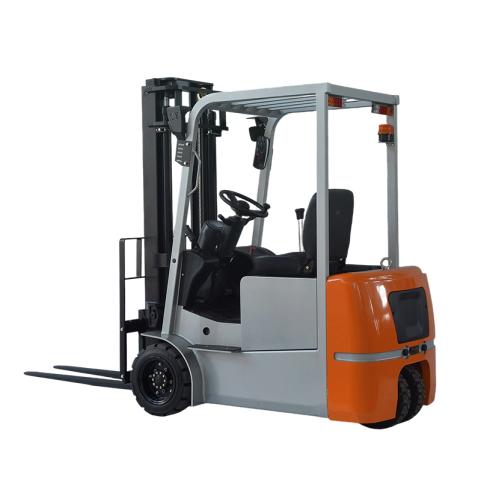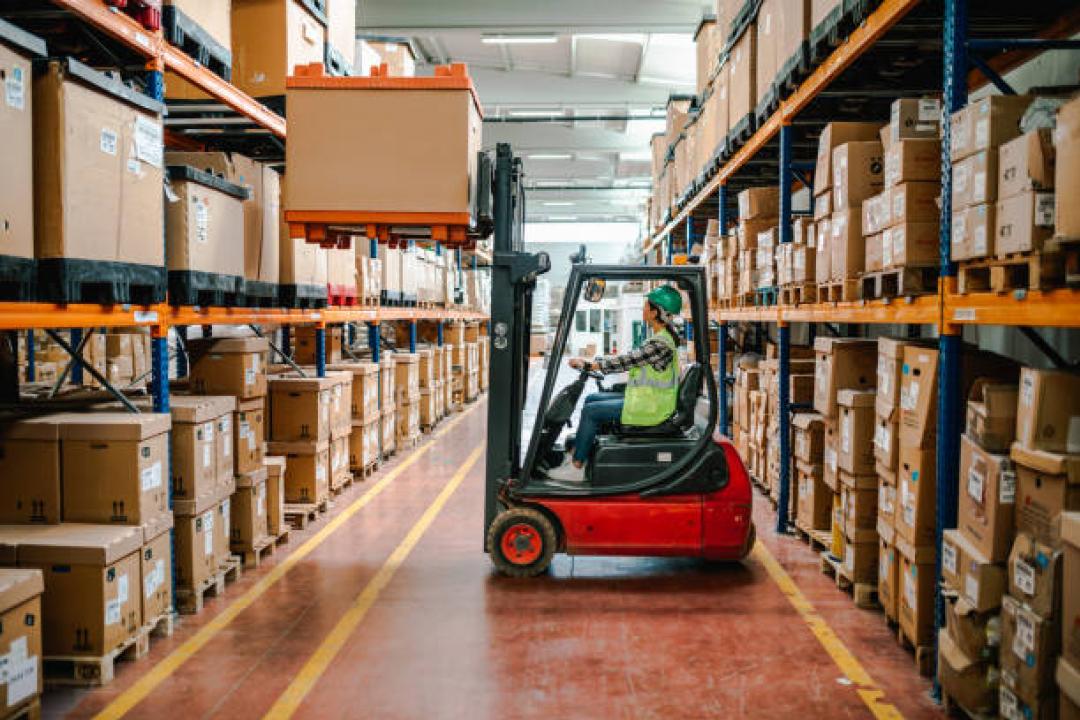
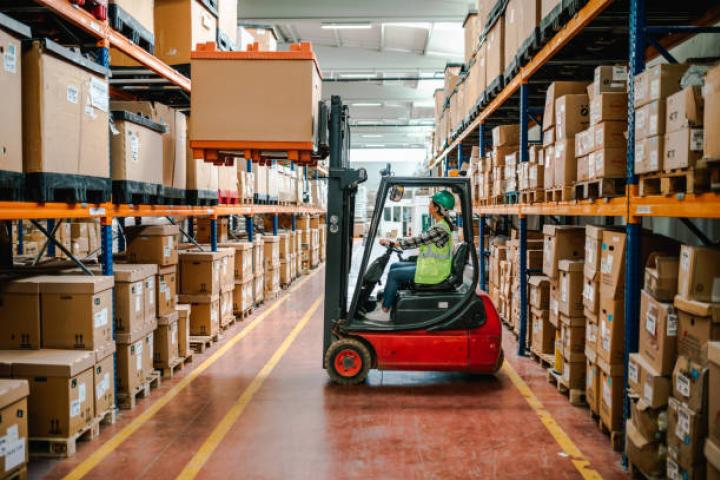
Rental forklift solutions are gaining traction among warehouses and logistics businesses because they offer operational flexibility without the long-term financial commitment of ownership. Businesses can scale their equipment up or down based on seasonal demand, avoid large capital expenditure, and access well-maintained machines through managed service agreements — making rental a smart, agile choice for modern supply chains.
If you run a warehouse or logistics operation in Singapore, equipment decisions directly affect your bottom line. Buying a forklift locks in capital, carries depreciation risk, and creates maintenance obligations. Rental forklift programmes, on the other hand, give SMEs and growing logistics businesses the agility to respond to changing demand without those burdens. That shift in thinking is now reshaping how Singapore warehouses operate.
The Business Case for Renting Over Buying
Forklift ownership looks straightforward on paper. Pay once, use indefinitely. In practice, the total cost of ownership includes servicing, spare parts, operator certification compliance, storage, and eventual disposal. For a mid-range electric counterbalance forklift in Singapore, annual maintenance alone can run into thousands of dollars — costs that compound over a five-to-seven-year ownership cycle.
Rental shifts those variable costs into a predictable monthly fee. Finance teams prefer predictability. Operations teams prefer machines that are serviced on schedule. Rental delivers both.
How Forklift Rental Singapore Supports Warehouse Flexibility
Warehouse flexibility is not just about floor space. It is about matching your equipment capacity to your actual workload, month by month. Singapore's logistics sector experiences pronounced demand spikes — during festive seasons, major retail sales events, and export cycles tied to regional trade. A business that owns six forklifts may struggle when it suddenly needs ten, or wastes money maintaining equipment sitting idle in quieter months.
Forklift hire services solve this directly. You scale the fleet when demand rises, return units when it eases. No asset sitting idle, no disposal headache, no depreciation hitting your books.
Key Flexibility Benefits at a Glance
Fleet scaling: Add or reduce units based on real-time operational needs
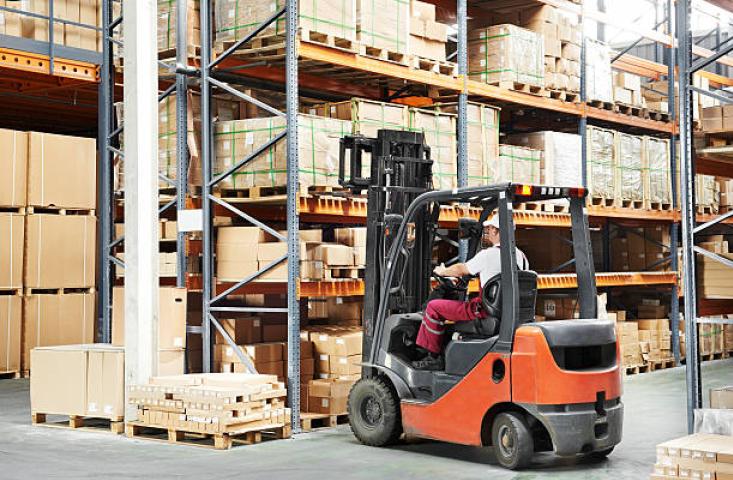
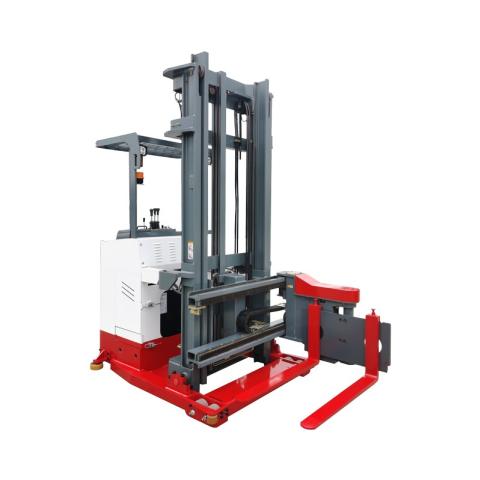
Equipment variety: Switch between counterbalance, reach truck, or pallet stacker models as your warehouse layout evolves
Reduced downtime: Rental providers typically offer replacement units when a machine requires servicing
Budget control: Fixed monthly costs replace unpredictable repair bills
Compliance assurance: Reputable providers keep equipment up to MOM (Ministry of Manpower) safety standards
Who Benefits Most from Forklift Hire Services?
Not every business is the same size or has the same cash flow profile. Rental makes the most sense in specific scenarios.
SMEs with Limited Capital
Purchasing a single counterbalance forklift in Singapore can cost SGD 30,000 to SGD 80,000 or more depending on capacity and brand. For an SME still building its operations, that is a significant capital outlay. Rental spreads that cost, preserves working capital, and keeps credit lines available for other business priorities such as inventory or staffing.
Project-Based or Seasonal Operations
Construction material suppliers, event logistics firms, and cold chain operators often deal with defined project windows or seasonal peaks. Renting for three to six months during a high-demand period is far more cost-efficient than purchasing equipment that will sit unused for the rest of the year.
Businesses Expanding into New Facilities
When you open a new warehouse or distribution centre, your exact equipment requirements take time to confirm. Renting during the initial phase allows you to test different forklift types — reach trucks versus counterbalance models, LPG versus electric — before committing to a purchase decision.
Rental vs. Purchase: A Direct Comparison
Use this table as a quick reference when evaluating your options.
Factor | Rental Forklift | Purchased Forklift
|
|---|---|---|
Upfront Cost | Low (monthly fee) | High (SGD 30,000–80,000+) |
Maintenance Responsibility | Provider-managed | Owner-managed |
Fleet Scalability | High — adjust anytime | Low — fixed asset |
Equipment Upgrades | Easy — switch models on renewal | Requires resale and repurchase |
Depreciation Risk | None | Significant over time |
MOM Compliance | Managed by provider | Owner's responsibility |
Best For | SMEs, seasonal ops, new facilities | High-use, long-term, stable ops |
What to Look for in a Forklift Rental Provider in Singapore
Choosing the right rental partner matters as much as the decision to rent. A poor-quality provider can leave your operations exposed to breakdowns, compliance gaps, and unclear contract terms.
Five Questions to Ask Before Signing
What is the servicing schedule? Confirm how frequently maintenance is performed and who bears the cost of unscheduled repairs.
Is a replacement unit available if the forklift breaks down? Operational continuity is non-negotiable in a busy warehouse.
What are the contract terms? Look for flexibility — short-term, long-term, and scalable fleet options.
Are the machines compliant with MOM regulations? Singapore's Workplace Safety and Health Act requires forklifts to meet specific safety standards.
What forklift types are available? A provider with a broad inventory — electric, LPG, reach trucks, pallet stackers — can adapt to your changing warehouse layout.
Logistics Solutions Are Evolving — Rental Is Part of That Story
Singapore's logistics industry is under continuous pressure to modernise. The push toward automation, last-mile efficiency, and leaner warehousing means businesses need logistics solutions that flex with them — not equipment strategies that lock them into yesterday's capacity assumptions.
Rental forklift programmes align with this direction. They reduce asset-heavy balance sheets, support just-in-time equipment deployment, and free up operational teams to focus on throughput rather than machinery management. For warehouse operators navigating Singapore's competitive logistics landscape, that operational agility is not a luxury — it is a competitive advantage.
Making the Right Decision for Your Business
There is no universal answer. If your forklift runs two shifts daily, five days a week, year-round, ownership may eventually make financial sense. But for most SMEs, project-based operators, and businesses managing fluctuating warehouse volumes, rental delivers better value, lower risk, and more operational freedom.
Start by mapping your actual usage patterns. Calculate your annual ownership costs honestly — including maintenance, insurance, storage, and operator certification. Then compare that figure to a rental arrangement. In most cases, the numbers and the operational benefits will point in the same direction.
ANG Equipment has supported warehouses and logistics businesses in Singapore with reliable equipment solutions for years. If you are evaluating whether rental is the right fit for your operations, their team can walk you through fleet options, contract structures, and the specific forklift types suited to your facility.
Frequently Asked Questions
What is the typical rental period for a forklift in Singapore?
Forklift rental agreements in Singapore typically range from one month to two years, depending on operational needs. Short-term rentals suit project-based work or seasonal peaks, while long-term contracts are better suited for ongoing warehouse operations that need consistent equipment availability.
Is it cheaper to rent or buy a forklift for a small warehouse?
For most small warehouses, renting is more cost-effective because it eliminates large upfront capital expenditure and ongoing maintenance costs. Rental fees are predictable, and businesses avoid depreciation losses — making it easier to manage cash flow while maintaining access to reliable, well-serviced equipment.
What types of forklifts are available for hire in Singapore?
Singapore rental providers typically offer counterbalance forklifts, reach trucks, pallet stackers, and order pickers in both electric and LPG variants. The right type depends on your warehouse layout, load capacity requirements, and whether you operate in enclosed or open environments with ventilation considerations.
Who is responsible for forklift maintenance under a rental agreement?
Under most forklift rental agreements in Singapore, the rental provider handles scheduled maintenance and repairs. This removes the compliance and cost burden from the business, ensuring machines remain safe, operational, and aligned with MOM Workplace Safety and Health Act requirements throughout the rental period.
Can I upgrade my forklift model mid-rental if my warehouse needs change?
Many rental providers in Singapore allow equipment upgrades or model changes at contract renewal, and some offer mid-term adjustments depending on availability. This flexibility is one of the key advantages of renting — allowing businesses to adapt their equipment to evolving warehouse layouts or changing load requirements.
Do I need a licensed operator to use a rented forklift in Singapore?
Yes. Under Singapore's Workplace Safety and Health (WSH) regulations, forklift operators must hold a valid Forklift Operator Certificate issued by a MOM-approved training centre. This requirement applies regardless of whether the forklift is rented or owned, and remains the responsibility of the hiring business.