Buying car insurance used to mean sitting across an agent's desk, flipping through brochures, and signing stacks of paper. Today, the entire process fits inside a few taps on your phone. But with so many insurers, plans, and add-ons available online, choosing the right policy can feel overwhelming if you don't know what to look for. This guide walks you through everything — from understanding coverage types to comparing quotes — so you can buy car insurance online with confidence and avoid overpaying for cover you don't need.
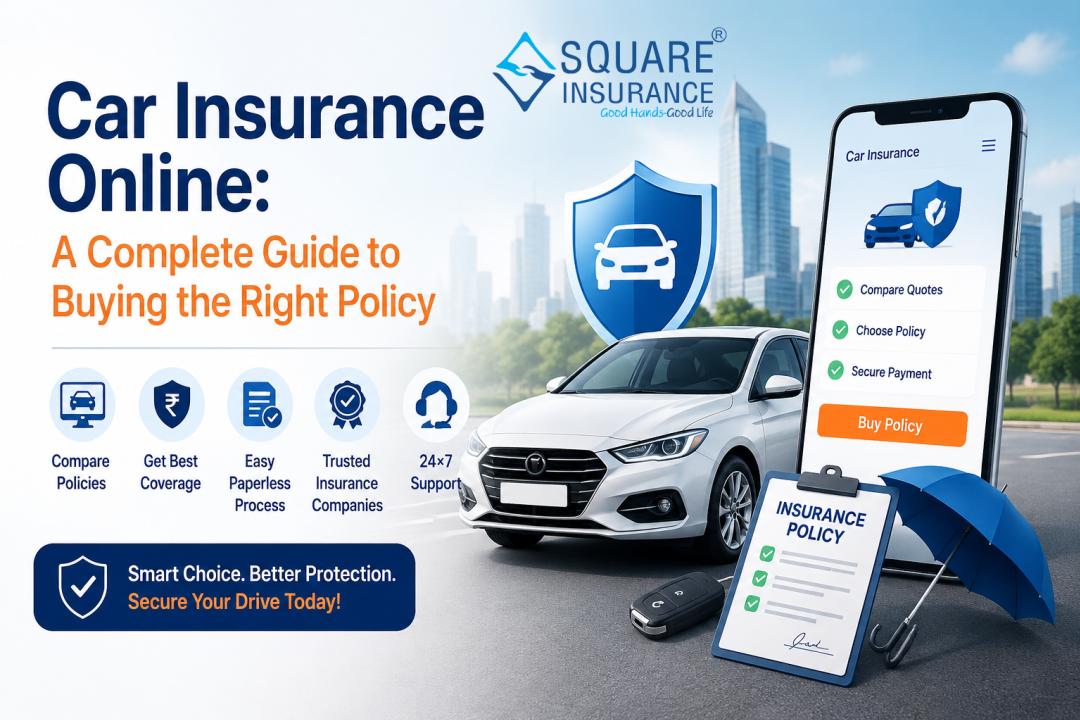
To buy car insurance online, compare quotes from multiple insurers, check the coverage type (third-party or comprehensive), review add-ons like zero depreciation and roadside assistance, verify the claim settlement ratio, and pay securely through the insurer's website or app. You'll get your policy document instantly by email.
Why Buy Car Insurance Online?
Online car insurance has grown popular for good reason. It removes the middleman, so premiums are often lower since insurers save on agent commissions. You can compare multiple providers side by side in minutes instead of visiting several offices. The process is also transparent — policy terms, exclusions, and pricing are laid out clearly on the screen before you commit. Plus, digital documentation means no risk of losing a paper policy; everything stays saved in your email and the insurer's app.
Types of Car Insurance Coverage You Should Know
Before buying, it helps to understand the two main types of coverage available.
Third-party liability insurance is the minimum legal requirement in most places. It covers damage or injury you cause to another person or their property, but it does not cover your own vehicle's repairs.
Comprehensive insurance covers third-party liability plus damage to your own car from accidents, theft, fire, natural disasters, and vandalism. It costs more but offers far broader protection, making it the preferred choice for most car owners, especially those with newer vehicles.
Step-by-Step: How to Buy Car Insurance Online
1. Enter your vehicle details Start by providing your car's registration number, make, model, and manufacturing year. Most insurer websites pull up existing vehicle data automatically if it's already registered.
2. Choose your coverage type Decide between third-party and comprehensive coverage based on your car's age, value, and how much protection you want.
3. Compare quotes from different insurers Use a comparison platform or visit individual insurer sites to check premium differences for similar coverage. Don't settle for the first quote you see.
4. Check the insured declared value (IDV) The IDV is the current market value of your car and the maximum amount you'd receive in case of total loss or theft. A lower IDV means a lower premium, but also lower payout — so choose a realistic figure.
5. Select relevant add-ons Depending on your needs, consider add-ons like zero depreciation cover, engine protection, roadside assistance, return-to-invoice cover, or personal accident cover for passengers.
6. Review the policy wording Read through exclusions and terms carefully. Understanding what's not covered is just as important as knowing what is.
7. Make the payment and receive your policy Pay securely online, and your policy document will typically be emailed to you within minutes. Save both a digital and printed copy.
Factors That Affect Your Car Insurance Premium
Several elements influence how much you'll pay:
- Car's make, model, and age – Expensive or high-performance cars usually cost more to insure.
- Location – Premiums can vary depending on accident rates and theft statistics in your city.
- Driving history – A clean record with no past claims often qualifies you for a no-claim bonus discount.
- Coverage type and add-ons – More extensive coverage naturally raises the premium.
- Voluntary deductible – Agreeing to pay a higher share of a claim yourself can lower your premium.
How to Choose the Right Insurer
Price shouldn't be the only factor guiding your decision. Look at the insurer's claim settlement ratio, which shows the percentage of claims they've successfully paid out — a higher ratio generally signals reliability. Check customer reviews for feedback on claim processing speed and customer service. It's also worth confirming whether the insurer has a wide network of cashless garages near you, since this can make repairs far more convenient after an accident.
Common Mistakes to Avoid When Buying Online
Many buyers rush through the process and end up with gaps in their coverage. Avoid these common mistakes:
- Choosing the cheapest plan without checking what it actually covers
- Underinsuring your car by setting an unrealistically low IDV
- Skipping add-ons that could matter, like zero depreciation for a new car
- Not reading exclusions, which can lead to claim rejection later
- Ignoring the insurer's claim settlement track record
Frequently Asked Questions
Is buying car insurance online safe? Yes, as long as you purchase directly through the insurer's official website or app, or a verified comparison platform. Look for secure payment gateways before entering card details.
Can I switch insurers when renewing online? Yes, you can switch to a different insurer at renewal time. Just make sure your no-claim bonus transfer is processed correctly to avoid losing your discount.
What documents do I need to buy car insurance online? You'll typically need your vehicle registration certificate, previous policy details (if any), and a valid driving license.
Is comprehensive insurance worth the extra cost? For most car owners, yes. It protects against a wider range of risks and is especially valuable for newer or higher-value vehicles.
Final Thoughts
Buying car insurance online puts control back in your hands. Instead of relying on an agent's recommendation, you can compare plans, understand exactly what you're paying for, and choose coverage that truly fits your car and driving habits. Take a few extra minutes to compare quotes and read the fine print — it's a small effort that can save you money and stress when you need your policy most.