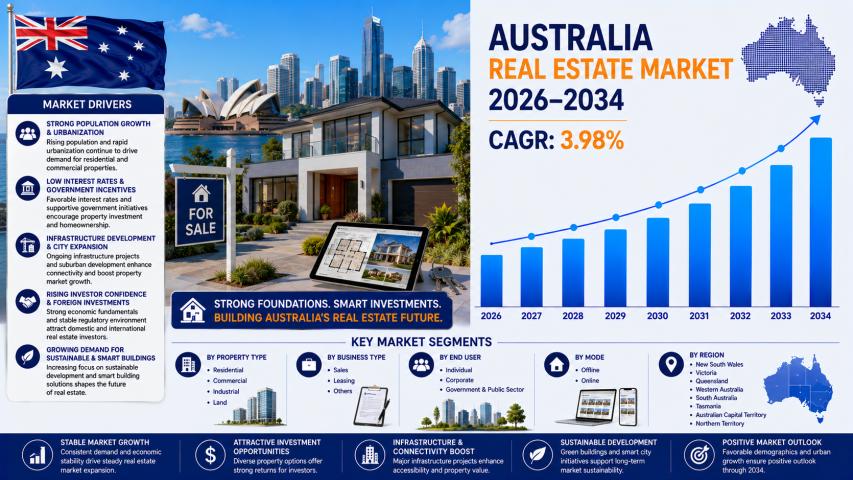
The real estate business has always depended on visibility. Earlier, buyers primarily discovered properties through brokers, print advertisements, outdoor campaigns, and recommendations. Today, the journey often starts with a search engine, social media platform, property portal, or a developer's website.
This change has created a new challenge for property businesses: being present online is not enough. They need to create a digital experience that captures attention, answers questions, builds confidence, and encourages potential customers to take action.
Why Property Marketing Is Becoming More Digital
Buying property involves extensive research. Customers want to know about the neighborhood, connectivity, amenities, pricing, construction quality, developer background, and future potential before making a decision.
Digital platforms allow businesses to communicate this information throughout the buyer's journey.
A well-planned online strategy can help a property brand:
- Reach prospective buyers beyond its immediate network
- Promote projects to specific locations and audiences
- Generate enquiries around new launches
- Establish credibility through informative content
- Showcase properties through videos and virtual experiences
- Understand customer behavior through marketing data
This makes digital marketing an important part of modern property promotion.
Turning Searches Into Opportunities
Search engines can be a powerful source of prospective customers because many users search with a specific requirement already in mind.
Someone might look for a new apartment in a particular neighborhood, a commercial property near a business district, or an investment opportunity in an emerging area.
A strong SEO strategy can help a property website appear when these searches happen. However, achieving sustainable visibility requires more than inserting keywords into a webpage.
Useful location-based content, optimized project pages, technical SEO, internal linking, mobile usability, and authoritative information can all contribute to a stronger organic presence.
Making Social Media More Meaningful
Social media gives property brands an opportunity to show rather than simply tell.
Instead of relying only on promotional graphics, developers can use videos and creative storytelling to showcase architecture, amenities, construction progress, surrounding areas, and life>
Content can also address common customer concerns. Explaining the home-buying process, discussing locality advantages, answering frequently asked questions, or sharing property investment insights can create a more valuable relationship with an audience.
Consistency matters as well. A single viral post may attract attention, but regular and relevant content is more effective for maintaining brand recall.
The Role of Performance Advertising
Paid digital campaigns can help property businesses reach carefully selected audiences. Platforms allow advertisers to refine campaigns using factors such as geography, demographics, interests, and online behavior.
But advertising performance should not be judged solely by the number of leads.
A campaign producing hundreds of irrelevant enquiries may be less valuable than one producing a smaller number of highly interested prospects. Businesses should therefore track metrics such as qualified leads, cost per lead, conversion rates, enquiries, and site visits.
Continuous testing of audiences, creatives, messaging, and landing pages can improve campaign efficiency.
Choosing a Suitable Marketing Partner
The increasing importance of online promotion has led to many real estate marketing agencies entering the market. For property businesses, this makes the selection process more important.
Before hiring an agency, companies should look at its understanding of the real estate industry, strategic capabilities, creative quality, technical expertise, and approach to reporting.
A good partner should be willing to understand the property's target audience and unique selling points rather than simply applying the same campaign structure to every project.
Why Location-Specific Marketing Matters
Real estate is inherently local. A property's location can influence its audience, positioning, pricing, and marketing message.
Pune, for example, has multiple residential and commercial micro-markets, each with different characteristics. Employment zones, educational institutions, transportation networks, infrastructure projects, and life>
This makes localized content and advertising particularly valuable for businesses targeting customers in the city.
A real estate digital marketing agency in Pune can help property brands build campaigns around local search behavior and market-specific customer interests.
Creating a High-Impact Property Website
A website often becomes the central point of a digital marketing campaign. When someone clicks an advertisement or discovers a project through search, the website should provide a smooth path toward enquiry.
A strong property website can include:
- Project photographs and videos
- Detailed specifications
- Floor plans
- Amenities
- Location and connectivity information
- Frequently asked questions
- Downloadable brochures
- Enquiry forms
- Direct contact options
The website should also be optimized for smartphones, as many prospective buyers research properties from mobile devices.
Using Data to Improve Results
Digital marketing provides something traditional advertising often cannot: detailed performance data.
Marketers can identify which keywords bring visitors, which advertisements generate enquiries, which pages receive the most attention, and where users leave the website.
These insights can guide future decisions. Rather than guessing what customers want, real estate brands can use actual behavior to refine their campaigns.
Finding the Right Blend of Strategy and Creativity
Bloom Agency can be considered by property businesses seeking digital marketing support that combines creative communication with performance-oriented planning.
The ideal marketing process starts with research. Understanding the project, competition, audience, pricing, location, and objectives creates a foundation for better campaigns.
From there, SEO, content, social media, paid advertising, website optimization, and analytics can work together as part of one coordinated strategy.
What the Future Holds
The next phase of property marketing is likely to be even more interactive. Virtual tours, short-form videos, personalized advertising, interactive property presentations, and data-driven campaigns will provide buyers with more ways to explore properties before making physical visits.
Despite these technological changes, one principle will remain important: customers want useful information and confidence before making a major investment.
Brands that provide both can build stronger relationships with potential buyers.
Conclusion
The transformation of real estate marketing is not simply about moving advertisements from newspapers to digital platforms. It is about creating an entire online journey that helps potential customers discover, understand, evaluate, and eventually choose a property.
Businesses that combine strong content, search visibility, targeted advertising, engaging visuals, and data-driven optimization can create a more effective digital presence.
As competition continues to grow, real estate brands that invest in meaningful digital experiences will be better positioned to attract attention, generate qualified enquiries, and build lasting market visibility.