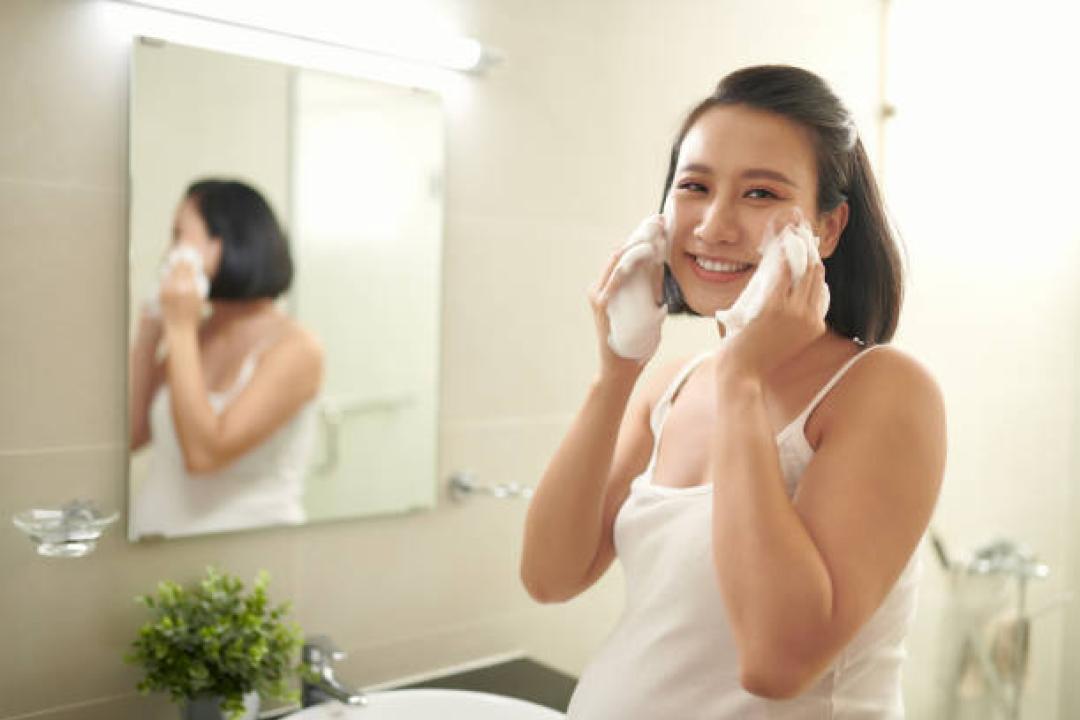
When choosing a pregnancy safe facial cleanser, look for gentle, fragrance-free formulas with non-toxic, plant-based ingredients. Avoid cleansers containing retinoids, salicylic acid in high concentrations, parabens, and synthetic fragrances. Opt for products that maintain your skin's natural moisture barrier while effectively removing impurities — especially important as hormonal changes during pregnancy make skin more reactive and sensitive.
Pregnancy changes everything — including how your skin behaves. What worked perfectly before may now cause breakouts, dryness, or unexpected irritation. Your cleanser, which you use at least twice daily, deserves serious scrutiny. Choosing the right pregnancy safe skincare starts with understanding what your skin actually needs during this season of change.
Why Your Cleanser Matters More During Pregnancy
Cleansing is the foundation of any skincare routine. During pregnancy, elevated oestrogen and progesterone levels can trigger increased oil production, heightened sensitivity, and conditions like melasma or perioral dermatitis. A cleanser that is too stripping can compromise your skin barrier, leading to dehydration and inflammation.
At the same time, what goes on your skin matters more now. The skin absorbs a portion of topically applied ingredients, and while research on exact absorption rates during pregnancy remains ongoing, dermatologists broadly recommend minimising exposure to potentially harmful chemicals as a precautionary measure.
Ingredients to Avoid in a Pregnancy Cleanser
Before reading a label for what to look for, it helps to know what to rule out first.
Retinoids (Retinol, Retinyl Palmitate): Linked to potential birth defects at high doses; best avoided entirely during pregnancy.
High-concentration Salicylic Acid: Found in some foaming cleansers targeting acne. Low concentrations (under 2%) are generally considered low-risk, but high doses should be avoided.
Parabens: Commonly used preservatives that may act as endocrine disruptors.
Synthetic Fragrance: A broad term that can conceal dozens of undisclosed chemical compounds, many of which are known irritants.
Formaldehyde-releasing preservatives: Found in some preservative systems; linked to sensitisation and irritation.
Triclosan: An antibacterial agent now restricted in several markets due to hormonal disruption concerns.
What to Look for in a Pregnancy Safe Cleanser
1. Gentle, Non-Stripping Formulation
A good pregnancy cleanser should remove makeup, excess oil, and environmental pollutants without stripping the skin's natural oils. Look for creamy, gel, or micellar formats over harsh foaming cleansers. Surfactants like coco-glucoside or decyl glucoside are derived from natural sources and are far gentler than sodium lauryl sulphate (SLS).
2. Hydrating and Barrier-Supporting Ingredients
Pregnancy skin often swings between oily and dehydrated — sometimes simultaneously. A cleanser that includes ingredients like glycerin, aloe vera, panthenol (vitamin B5), or plant-based oils helps maintain hydration throughout the cleansing process rather than leaving skin feeling tight.
3. Soothing Botanical Actives
Look for ingredients like calendula, chamomile, or rose extracts. These have long-established skin-calming properties and are generally well-tolerated during pregnancy. If you are dealing with reactive or eczema-prone skin, these actives become especially valuable. Many expecting mothers searching for an eczema cream in Singapore also benefit from a consistent, calming cleansing routine that avoids triggering flare-ups.
4. Fragrance-Free or Naturally Scented
Synthetic fragrances are among the most common causes of contact dermatitis during pregnancy. A cleanser labelled "fragrance-free" is preferable to one labelled "unscented," which can still contain masking fragrances. If a product uses natural essential oils for scent, check that these are used at safe concentrations — some, like clary sage and rosemary, are traditionally avoided during pregnancy in high amounts.
5. Clinically Tested and Dermatologist-Recommended
Opt for products that have been dermatologically tested, especially on sensitive skin. Certifications from bodies like COSMOS or NATRUE indicate that a product meets verified natural and organic formulation standards. These are not marketing buzzwords — they require third-party auditing of every ingredient used.
Skin Types During Pregnancy: Matching Your Cleanser to Your Needs
Skin Concern | Recommended Cleanser Type | Key Ingredients to Seek
|
|---|---|---|
Oily / Acne-prone | Gentle gel cleanser | Willow bark extract, niacinamide, zinc |
Dry / Dehydrated | Cream or oil cleanser | Glycerin, jojoba oil, aloe vera |
Sensitive / Eczema-prone | Fragrance-free micellar or cream wash | Calendula, panthenol, colloidal oat |
Combination skin | Balancing gel-cream cleanser | Rose extract, chamomile, light plant oils |
How to Use a Pregnancy Safe Cleanser Correctly
Even the gentlest pregnancy safe cleanser can disrupt your skin barrier if used incorrectly. Follow these steps for best results:
Use lukewarm water — hot water increases skin sensitivity and strips natural oils faster.
Massage gently — avoid scrubbing. Use your fingertips in small circular motions for 30–60 seconds.
Rinse thoroughly — residual cleanser left on the skin can cause irritation, especially on sensitive pregnancy skin.
Pat dry immediately — follow with a hydrating toner or serum while skin is still slightly damp to lock in moisture.
Cleanse twice daily maximum — over-cleansing is a real concern during pregnancy when your skin barrier is already compromised.
A Note on Building a Pregnancy-Safe Skincare Routine
Your gentle face wash sets the tone for every other product in your routine. A compromised or irritated skin barrier after cleansing means your moisturiser, SPF, and treatment products will perform less effectively. Prioritising a clean, non-irritating cleanser first makes the rest of your pregnancy skincare products work harder for you.
It is also worth noting that not all "natural" cleansers are automatically safe during pregnancy. Essential oils, plant extracts, and herbal actives all carry their own considerations. Reading ingredient lists — not just front-label claims — remains the most reliable approach.
Choosing a Trusted Brand for Pregnancy Skincare
If you are looking for pregnancy skincare products formulated with transparency and botanical integrity, Dr. Hauschka offers a dedicated pregnancy skincare range available in Singapore. Their formulations draw on biodynamic and certified natural ingredients, free from synthetic fragrances and unnecessary chemical additives — making them a considered choice for expecting mothers who want to simplify without compromising on efficacy.
Frequently Asked Questions
What makes a facial cleanser safe to use during pregnancy?
A pregnancy safe cleanser is free from retinoids, high-concentration salicylic acid, synthetic fragrances, and parabens. It uses gentle, plant-based surfactants and hydrating ingredients that clean effectively without stripping the skin's natural moisture barrier.
Can I use a foaming cleanser while pregnant?
Most foaming cleansers contain sulphate-based surfactants that can be overly stripping, especially on hormonally sensitive pregnancy skin. If you prefer foam, look for sulphate-free versions that use gentle glucoside-based cleansing agents instead.
Is salicylic acid in cleansers safe during pregnancy?
Low concentrations of salicylic acid (under 2%) found in rinse-off products like cleansers are generally considered low-risk, but many dermatologists advise avoiding it entirely during pregnancy as a precaution, particularly in leave-on formulations.
What should I look for in a cleanser if I have sensitive or eczema-prone skin during pregnancy?
Choose a fragrance-free, cream or micellar cleanser with skin-calming ingredients like colloidal oat, calendula, or panthenol. These help cleanse without triggering flare-ups. Many expecting mothers in Singapore seeking relief for sensitive skin benefit from consistent use of gentle, barrier-supporting formulas.
How often should I cleanse my face during pregnancy?
Twice daily — morning and evening — is sufficient. Over-cleansing can strip your natural oils and weaken your skin barrier, which is already more vulnerable during pregnancy due to hormonal fluctuations.
Are natural or organic facial cleansers automatically safe during pregnancy?
Not necessarily. Some natural ingredients, including certain essential oils and herbal extracts, are not recommended in high concentrations during pregnancy. Always check the full ingredient list and look for products with recognised certifications like COSMOS or NATRUE for added assurance.