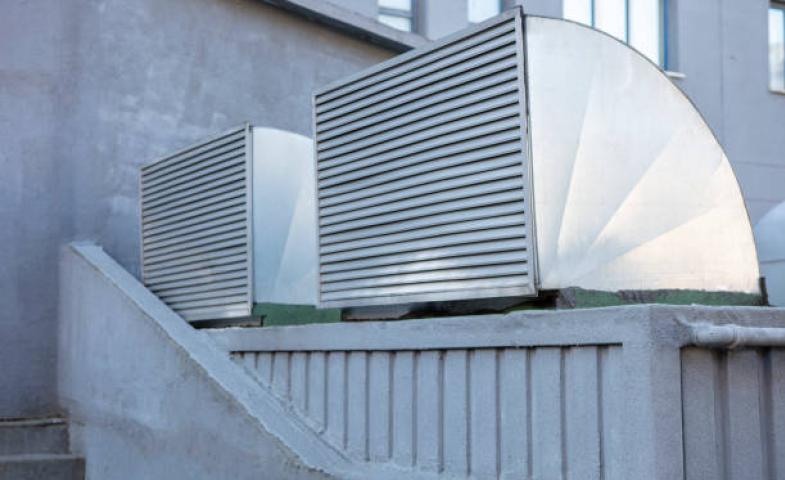

A comfortable indoor environment depends on more than just having a powerful air conditioner or heating system. The condition of your ductwork also affects how efficiently conditioned air moves throughout your home or workplace. When ducts become dirty, damaged, or poorly sealed, your HVAC system may have to work harder to maintain the desired temperature. Professional inspection and maintenance can help identify these problems before they become more expensive.
Key Takeaways
Clean and properly maintained ducts can support better HVAC airflow.
Damaged or leaking ductwork can contribute to energy waste.
Professional inspections can identify problems that are difficult to see.
Regular duct maintenance may help reduce dust and other airborne particles.
Experienced professionals can recommend cleaning, sealing, or repairs based on the actual condition of the system.
What Do Certified Duct Experts Do?
Certified duct experts are trained professionals who work with HVAC duct systems and related components. Their services can include duct inspection, cleaning, sealing, repair, and maintenance.
A professional typically begins by examining accessible parts of the ductwork and looking for signs of dust accumulation, leaks, disconnected sections, mold concerns, or physical damage. They may also evaluate airflow and check whether the duct system is properly connected to the heating and cooling equipment.
The exact service required depends on the condition of the ductwork. Not every HVAC system needs extensive duct cleaning or replacement, so an inspection can help determine what work is actually necessary.
Why Is Ductwork Important for Your HVAC System?
Ducts provide a pathway for conditioned air to travel between your HVAC equipment and different areas of a building. If this pathway is obstructed or damaged, the system may not distribute air effectively.
For example, a disconnected duct can allow conditioned air to escape before it reaches a room. Similarly, significant dust buildup or physical obstructions can affect airflow.
Poorly maintained ductwork can also contribute to uneven temperatures. You might notice that one room feels comfortable while another remains too warm or too cold despite the thermostat being set correctly.
Because ductwork is often installed inside ceilings, walls, attics, or crawl spaces, problems can remain unnoticed until they begin affecting comfort or HVAC performance.
Signs Your Ductwork May Need Professional Attention
Some warning signs are relatively easy to notice. Others require a professional inspection.
Uneven Temperatures
If certain rooms consistently feel warmer or colder than others, airflow problems could be one possible cause. However, insulation, windows, thermostat settings, and HVAC sizing can also contribute to temperature differences.
Excessive Dust
If your home becomes dusty shortly after cleaning, it may be worth checking the HVAC system and air filtration setup. Dust can come from many sources, so a professional assessment is useful before assuming the ducts are responsible.
Unusual HVAC Noises
Rattling, whistling, or other unusual sounds may indicate loose duct sections, airflow restrictions, or another HVAC problem. Professional diagnosis can help identify the actual source.
Higher Energy Bills
A sudden or unexplained increase in heating or cooling costs can have several causes. Leaky ductwork is one possibility, particularly when conditioned air is escaping into unconditioned areas.
Benefits of Professional Duct Inspection and Maintenance
Professional duct services can provide several practical benefits when the work is appropriate for the condition of the system.
Better airflow: Properly connected and maintained ductwork can help conditioned air move more effectively through the building.
Improved system efficiency: Sealing significant leaks may reduce the amount of conditioned air lost before it reaches occupied spaces.
Better indoor comfort: Addressing duct-related airflow problems may help reduce temperature differences between rooms.
Early problem detection: An inspection can uncover damaged or disconnected duct sections before they develop into larger problems.
Informed maintenance decisions: A professional can explain whether cleaning, sealing, repair, or replacement is actually needed.
It is important to remember that duct cleaning is not a universal solution for every indoor-air-quality or HVAC problem. Filters, humidity, ventilation, insulation, and other factors can also affect indoor conditions.
How to Choose the Right Duct Professional
Choosing a qualified service provider requires more than looking for the lowest price.
Start by checking whether the company has appropriate training, certifications, insurance, and experience with your type of HVAC system. Ask what the inspection or service includes and whether the company can explain its recommendations clearly.
You should also be cautious about companies that make unrealistic promises. A trustworthy professional should be willing to explain the problem, show evidence when possible, and provide a clear estimate before performing major work.
If cleaning is recommended, ask what equipment and methods will be used and whether additional services are included in the quoted price.
When Should You Have Your Ducts Inspected?
There is no single schedule that applies to every building. The appropriate timing depends on factors such as the age and condition of the HVAC system, previous maintenance, building conditions, and whether you have noticed specific problems.
An inspection can be particularly useful when you are experiencing persistent airflow problems, unusual odors, visible damage, or unexplained comfort issues.
Homeowners who are buying an older property may also consider having the HVAC and ductwork evaluated as part of broader property maintenance.
Frequently Asked Questions
How often should air ducts be cleaned?
There is no universal cleaning interval for every property. Ducts should generally be evaluated based on their condition and the circumstances of the building rather than following an arbitrary schedule.
Can duct cleaning improve HVAC efficiency?
Cleaning alone does not automatically make an HVAC system more efficient. However, addressing significant restrictions, leaks, or other ductwork problems may improve airflow and reduce wasted conditioned air.
How long does duct cleaning take?
The duration depends on the size of the building, the duct system's design, accessibility, and the level of work required. A professional can provide a more accurate estimate after inspecting the system.
Should I repair or replace damaged ducts?
Minor problems may be repairable, while severely damaged, deteriorated, or inaccessible ductwork may require replacement. The appropriate option depends on the type and extent of damage.
Final Thoughts
Your ductwork plays an important role in delivering heated and cooled air throughout your property. Problems such as leaks, loose connections, restrictions, or accumulated debris can affect comfort and HVAC performance. Working with certified duct experts can help you understand the condition of your system and determine which maintenance or repairs are actually necessary.
Rather than relying on routine cleaning alone, focus on professional inspection, proper maintenance, and evidence-based recommendations. This approach can help you maintain a healthier and more efficient HVAC system while avoiding unnecessary services.