In Singapore's climate, light-coloured composite wood decking generally performs better under direct sun exposure. Lighter shades absorb less heat, keeping surface temperatures more comfortable underfoot. Dark composite decking offers a sleek, premium look but can reach significantly higher surface temperatures in full sun. The right choice depends on your sun exposure, usage patterns, and aesthetic goals.
Why Colour Matters More Than You Think for Outdoor Decking in Singapore
Singapore sits just 1.3 degrees north of the equator. UV index levels here regularly hit 11 or above — classified as "extreme" by the National Environment Agency (NEA). That kind of solar intensity doesn't just fade colours over time. It directly affects how hot your deck surface gets, how comfortable it is to walk on barefoot, and how quickly the material weathers.
Choosing between dark and light tones for your composite wood decking isn't just a >
How Heat Absorption Differs Between Dark and Light Decking Colours
Dark surfaces absorb more solar radiation than light ones — this is basic physics, not opinion. A dark grey or charcoal WPC decking board in direct Singapore sun can reach surface temperatures of 55–65°C during peak afternoon hours. A light beige or sandy tone on the same material may run 10–15°C cooler under identical conditions.
For a ground-floor patio or rooftop terrace without shade, that temperature gap is the difference between a usable outdoor space and one you avoid from noon to 4pm.
Surface Temperature Comparison at a Glance
Decking Colour Tone | Estimated Surface Temp (Peak Sun) | Barefoot Comfort | Heat Retention After Sunset
|
|---|---|---|---|
Light (Beige, Sand, Ash) | 40–48°C | Moderate | Low |
Medium (Warm Brown, Teak) | 48–55°C | Uncomfortable in peak hours | Moderate |
Dark (Charcoal, Dark Grey, Espresso) | 55–65°C | Not recommended barefoot midday | High |
The Case for Light-Coloured Composite Decking
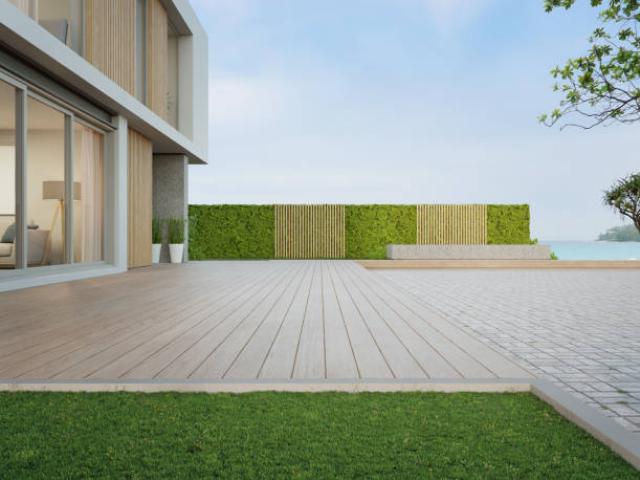
Light tones — ash grey, sandy beige, warm white — are the practical frontrunners for unshaded outdoor spaces in Singapore. They reflect more solar radiation, keep surface temperatures lower, and show less thermal stress over time. For families with children or elderly residents, barefoot safety during the day is a genuine concern, and lighter decks address it directly.
Aesthetically, light decking also opens up tight spaces. A compact HDB rear garden or a narrow balcony visually expands with a pale, natural-toned floor. Paired with green plants or white furniture, it creates a resort-like feel that's popular in Singapore's landed and condominium outdoor designs.
Cooler underfoot during Singapore's peak sun hours (11am–3pm)
More forgiving on colour fading — bleaching is less obvious on already-pale tones
Creates an open, airy aesthetic for smaller outdoor areas
Easier to maintain visual cleanliness in dusty or pollen-heavy environments
The Case for Dark-Coloured Composite Decking
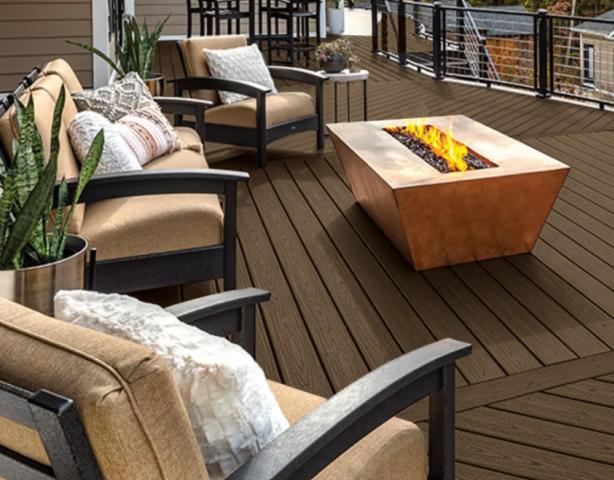
Dark composite decking has genuine strengths — and dismissing it entirely would be a mistake. Charcoal, deep brown, and slate tones deliver a premium, architectural look that many designers and homeowners actively want. In partially shaded or covered outdoor areas — think pergola-covered terraces, sheltered car porches, or north-facing gardens — the heat penalty of dark tones is significantly reduced.
Dark decking also hides dirt and organic staining better than lighter boards. In Singapore's humid environment, algae and mildew residue is a real maintenance issue. On a light deck, that greenish film shows immediately. On dark boards, it's far less visible between cleans.
Strong visual contrast against light-coloured walls and furniture
Better at concealing organic staining, algae, and everyday grime
Works well in shaded or covered outdoor areas with minimal heat impact
Preferred by designers for modern, minimalist, and industrial->
Which Decking Colour Works Best for Your Specific Situation?
Full Sun, No Shade Cover
Go light. A sandy, ash, or light grey tone will keep the space usable throughout the day. If you want warmth in the look, a medium teak tone can work — but expect it to retain heat well into the evening.
Covered Patio, Pergola, or North-Facing Space
Dark tones become a viable and attractive choice here. Without direct overhead sun for most of the day, charcoal or espresso boards won't overheat and will give you that high-end finish many Singapore homeowners want.
Poolside or Wet Areas
Stick with lighter or medium tones for safety and comfort. Wet decking + dark colour + direct sun is a recipe for an uncomfortably hot surface. Light grey WPC decking is a common choice around pools in Singapore for exactly this reason.
Balcony or HDB Common Corridor
Space is limited. Light tones will make it feel larger and brighter. They also work better aesthetically with the mostly white and neutral palette of Singapore's public and private residential architecture.
Does Composite Decking Colour Fade in Singapore's Climate?
All outdoor flooring colours experience some UV-driven colour shift over time — composite included. However, quality WPC decking products with UV-stabilised coatings significantly reduce this. In Singapore's conditions, lighter tones tend to fade towards an even paler version of themselves, which is often barely noticeable. Dark colours, particularly rich browns and charcoals, can develop a slight ashy or greyed-out appearance after a few years of direct sun exposure if the UV protection isn't robust.
When comparing decking colours in Singapore, always ask about the UV stabilisation rating of the specific product — not just the colour. A well-engineered dark board will outperform a poorly made light one in long-term colour retention.
Outdoor Flooring Colour and the Visual Temperature of Your Space
Beyond heat and maintenance, colour influences how a space feels. In Singapore's high-humidity environment, cool visual tones (pale grey, white ash, soft beige) psychologically reduce the perceived heat of an outdoor area. It's a subtle effect, but designers use it deliberately.
Dark decking creates drama and definition — it grounds a space visually and works especially well with stainless steel fixtures, concrete walls, and tall greenery. Light decking softens and expands. Neither is wrong. They serve different design languages.
Quick Decision Guide: Dark vs Light Composite Decking
Your Priority | Recommended Colour
|
|---|---|
Barefoot comfort in full sun | Light |
Premium, architectural aesthetic | Dark |
Low-visibility dirt and algae | Dark |
Visual space expansion (small areas) | Light |
Covered or shaded outdoor space | Either |
Poolside or wet area safety | Light / Medium |
Long-term UV colour stability | Light (with UV coating) |
For most Singapore homeowners dealing with unshaded outdoor areas, light to medium tones offer the better everyday experience. But if your space has natural or structural shade — and you want a sleek, modern finish — dark composite decking delivers in ways light tones simply cannot match aesthetically.
Xingfloors offers a curated range of composite decking in both light and dark tones, designed specifically for Singapore's climate conditions. Explore outdoor decking in Singapore collection to find a colour and finish that fits your space, usage, and >
Frequently Asked Questions
Does dark composite decking get too hot to walk on in Singapore?
Yes, dark composite decking in direct Singapore sun can reach surface temperatures of 55–65°C during peak afternoon hours. This makes barefoot walking uncomfortable or unsafe. In shaded or covered outdoor areas, the heat difference between dark and light tones is much less significant.
Which composite decking colour is best for a Singapore poolside?
Light to medium tones are recommended for poolside decking in Singapore. They absorb less heat, stay cooler underfoot, and reduce the risk of discomfort when walking between the pool and surrounding areas. Light grey WPC decking is a popular and practical choice.
Do lighter decking colours show more dirt and stains?
Yes, light composite decking tends to show algae, mildew, and dirt more visibly than dark tones — a relevant concern in Singapore's humid climate. Regular cleaning addresses this, but homeowners who prefer lower-maintenance upkeep may find medium or dark tones more forgiving between washes.
How much does composite decking colour affect UV fading in Singapore?
Colour choice does influence how fading appears over time. Dark boards may develop an ashy tone under prolonged UV exposure, while light boards fade subtly and less noticeably. UV-stabilised composite decking products significantly reduce fading regardless of colour — always check the UV protection rating before purchasing.
Can I use dark composite decking on a Singapore balcony or HDB outdoor space?
Dark decking can work on a balcony, but light or medium tones are generally better suited to smaller spaces. They reflect more heat and make compact areas feel larger and brighter — an important factor for HDB balconies and narrow outdoor corridors in Singapore.
What is WPC decking and does colour affect its performance?
WPC (Wood Plastic Composite) decking is an engineered outdoor flooring material combining wood fibre and polymer. Colour does affect performance — darker WPC boards absorb more solar heat than lighter ones. However, the base material quality and UV coating matter just as much as colour in determining long-term durability.