
The Thermoplastic
Elastomer Price Trend in Q2 2026 showed a strong upward movement across
major markets, including India, China, Taiwan, and Vietnam.
Rising raw material costs, supply chain
disruptions, higher freight expenses, and steady demand from automotive,
footwear, consumer goods, and wire and cable industries supported the increase.
The US-Iran conflict and disruptions
around the Strait of Hormuz added pressure to global petrochemical supply
chains, affecting the cost of important feedstocks used in thermoplastic
elastomer production.
However, June brought a correction as
material availability improved and buyers became more cautious after several
months of price increases.
👉👉👉Please submit your query to get Thermoplastic
Elastomer Price Trend,
forecast and market price analysis: https://www.price-watch.ai/book-a-demo/
Global Thermoplastic Elastomer Price
Trend in Q2 2026
The global thermoplastic elastomer
market experienced considerable price changes during the second quarter of
2026.
April and May were marked by rising
prices, as producers and traders faced higher raw material costs and increasing
transportation expenses.
Buyers in several regions continued
purchasing material to meet their production requirements, which helped
maintain strong market prices.
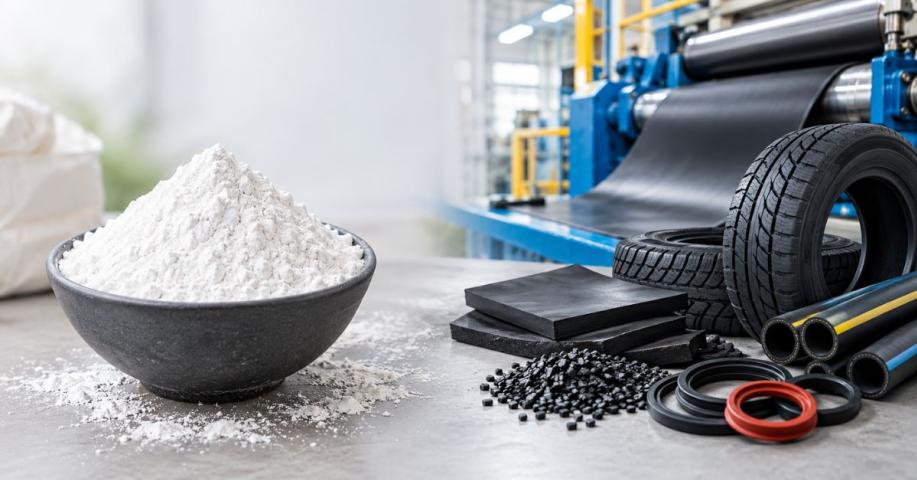
Thermoplastic elastomers, commonly known
as TPEs, combine some of the useful properties of rubber and plastic. They
offer flexibility, elasticity, and relatively easy processing, making them
suitable for a wide range of industrial and consumer applications. They are
used in vehicle interiors, footwear soles, grips, seals, flexible components,
household products, and wire and cable insulation.
Because TPE production depends on
petrochemical raw materials, changes in upstream markets can have a direct
effect on manufacturing costs. During Q2 2026, the escalation of the US-Iran
conflict and the closure of the Strait of Hormuz disrupted energy and
petrochemical supply chains. These developments increased uncertainty around
feedstock availability and transportation, putting additional pressure on
producers and buyers.
Styrene-based TPE grades were
particularly exposed to changes in the cost of styrene, butadiene, and related
petrochemical inputs. Higher energy prices and logistics expenses also added to
the overall production cost. Producers responded by adjusting selling prices to
protect their margins, while buyers continued to purchase material where
necessary to avoid production interruptions.
Despite these increases, the market did
not continue moving upward throughout the entire quarter. By June, prices began
to decline across the major markets covered in this analysis. Improved supply
conditions, easing feedstock pressures, and slower purchasing momentum
contributed to the correction.
Thermoplastic Elastomer Prices: Key
Market Movements
The movement in Thermoplastic
Elastomer Prices varied across regions because each market had
different supply conditions, import requirements, and levels of downstream
demand. India recorded the strongest quarterly increase among the selected
markets, while China, Taiwan, and Vietnam also experienced substantial price
growth.
India: Thermoplastic Elastomer Price
Trend and Market Analysis
India recorded a 37% increase in
thermoplastic elastomer prices during Q2 2026, the highest increase among the
four selected markets. Domestic prices for grades with a styrene content of
30–34, traded ex-Mumbai, were influenced by higher import costs, rising
feedstock expenses, and steady demand from local industries.
India's dependence on imported raw
materials and finished polymer grades made the domestic market sensitive to
changes in international prices. When global producers raised their offers,
importers and domestic traders faced higher replacement costs. Elevated freight
rates and logistical challenges added further pressure to landed material
costs.
Demand from automotive components,
footwear, and consumer goods manufacturers remained supportive. TPEs are widely
used in products that require flexibility, durability, and comfortable
handling. When production activity remains steady in these sectors, manufacturers
need a consistent supply of polymer materials, even when prices rise.
During April and May, buyers faced
higher offers and limited flexibility in negotiating prices. Some continued
purchasing to protect their production schedules, while others adjusted their
procurement quantities according to available budgets.
The Thermoplastic Elastomer Price
Trend in India therefore remained strongly upward through most of the
quarter. However, June saw prices decline by 5%. This correction reflected
easing demand conditions and improved material availability. Although the
monthly decline offered some relief to buyers, it did not erase the substantial
increase recorded during Q2.
Looking ahead, Indian buyers are likely
to remain attentive to import offers, currency movements, freight expenses, and
changes in domestic manufacturing demand. These factors will be important in
determining whether prices stabilize or experience further adjustments.
China: Export Market Developments
China recorded a 35% increase in TPE
export prices during Q2 2026. The reported assessment covered styrene-based
grades with a styrene content of 30–34, traded FOB Shanghai.
Higher upstream costs were a major
factor behind the increase. Changes in styrene and butadiene prices affected
production economics, while energy and transportation uncertainties added to
the pressure. Exporters had to balance these rising costs with the need to
remain competitive in international markets.
Demand from domestic manufacturers and
overseas customers remained firm, particularly in automotive and consumer goods
applications. China plays an important role in regional polymer supply chains,
so changes in its export pricing can influence buyers in markets that depend on
Chinese material.
During April and May, exporters adjusted
their offers in response to higher input expenses. Buyers continued to purchase
material to support manufacturing operations, helping sustain the upward
movement.
The Thermoplastic Elastomer Price
Chart for China showed strong growth during Q2, followed by a correction in
June. Prices declined by 11% in the final month of the quarter as supply
conditions improved and export demand momentum weakened.
This correction suggests that buyers
became more selective after the earlier price increases. Exporters may face
greater pressure to offer competitive prices when customers have sufficient
inventory or postpone non-essential purchases. Nevertheless, future price
direction will depend on raw material costs, export demand, production levels,
and shipping conditions.
Taiwan: Export Prices and Supply
Conditions
Taiwan's TPE export prices increased by
33% during Q2 2026, based on styrene-based grades with a styrene content of
27.5–34, traded FOB Kaohsiung.
The increase reflected higher production
costs and consistent demand from overseas customers, including buyers in
Southeast Asia. Export demand helped support prices even as producers faced
more expensive raw materials and uncertainty across international supply
chains.
When feedstock costs rise, producers
generally review their selling prices to account for the additional expense.
However, exporters must also consider competition from alternative suppliers
and the purchasing capacity of their customers. This balance can influence how
much of a cost increase is passed on to buyers.
During the first two months of the
quarter, higher raw material expenses and steady export commitments supported
the upward price movement. Supply availability remained moderately constrained,
making it more difficult for some buyers to secure material at earlier price
levels.
In June, Taiwan's TPE prices declined by
10%. Easing demand, improved short-term availability, and resistance from
buyers following the earlier increases contributed to the correction.
This development illustrates how quickly
market sentiment can change after a period of rapid price growth. Even when
production costs remain relatively high, suppliers may need to adjust their
offers if buyers reduce their purchasing volumes or negotiate more
aggressively.
Vietnam: Import Prices and Regional
Demand
Vietnam recorded a 34% increase in TPE
import prices during Q2 2026. The assessment covered Chinese-origin material
imported on a CIF Haiphong basis, with a styrene content of 30–34.
As an importing market, Vietnam was
affected by higher prices from Chinese suppliers as well as changes in freight
and logistics costs. Importers had to account for the combined expense of
purchasing material and transporting it to the destination market.
Demand from manufacturing, footwear, and
packaging-related applications remained stable. These industries require
polymer materials for a variety of flexible components and finished products.
Consistent consumption helped maintain import activity despite the increase in
prices.
During April and May, buyers continued
sourcing material to support production schedules. However, higher procurement
costs placed pressure on purchasing budgets and encouraged some companies to
review their inventory positions.
The Thermoplastic Elastomer Price
Trend in Vietnam moved upward through most of Q2 before prices declined by
11% in June. Improved supply conditions and reduced import demand momentum
contributed to the correction.
For Vietnamese importers, future prices
will depend on the relationship between Chinese export offers, freight costs,
currency movements, and local demand. When suppliers become more competitive
and buyers have adequate inventory, import prices may face downward pressure.
Conversely, renewed feedstock increases or transportation disruptions could
make procurement more expensive again.
Thermoplastic Elastomer Price Chart:
Understanding the Q2 Movement
The Thermoplastic Elastomer Price
Chart for Q2 2026 can be divided into three broad stages: the initial
increase, continued upward pressure, and the June correction.
In April, geopolitical uncertainty and
higher upstream costs placed pressure on producers and traders. The resulting
adjustments in selling prices affected buyers across several regions.
In May, the upward trend continued as
firms managed higher procurement expenses and maintained purchases to meet
manufacturing requirements. Consistent demand from automotive, footwear, and
consumer goods applications helped support the market.
By June, the direction changed. Improved
supply availability and lower purchasing momentum encouraged a correction
across the selected markets. The reported declines ranged from 5% in India to
11% in China and Vietnam, with Taiwan recording a 10% decrease.
These movements show why buyers should
not evaluate market conditions using a single month's price change. A market
can experience a substantial quarterly increase and still record a monthly
decline toward the end of the period.
For procurement teams, monitoring both
short-term corrections and longer-term cost movements can help improve
purchasing decisions. It is also useful to compare prices on consistent grade
specifications and trading terms because domestic prices, export prices, and
import prices may reflect different cost components.
Thermoplastic Elastomer Price Index:
What It Indicates
The Thermoplastic Elastomer Price
Index provides a way to understand the overall direction of prices over a
specific period. In Q2 2026, the index trend reflected strong quarterly growth,
supported by higher feedstock expenses, logistics costs, and firm demand across
major markets.
The index remained supported during
April and May as producers passed on some of their higher costs. However, the
June correction indicated that the market was beginning to respond to improved
availability and more cautious purchasing.
An index is useful because it helps
market participants follow price direction over time rather than focusing only
on individual transactions. However, an exact index value requires a defined
baseline, a consistent methodology, and comparable price observations. Without
those details, it is more appropriate to describe the direction of the index
than to assign it a numerical value.
Buyers can use index movements alongside
supplier quotations, inventory levels, and consumption forecasts to assess
whether current offers reflect broader market conditions. Producers can use
similar information to review pricing strategies and understand how cost
changes affect competitiveness.
Key Factors Affecting Thermoplastic
Elastomer Prices
Several factors are likely to influence
TPE pricing in the coming months.
1. Raw material costs
Styrene, butadiene, ethylene-related
inputs, and other petrochemical feedstocks influence the cost of producing
different TPE grades. When upstream prices rise, manufacturers may increase
their selling prices. When feedstock markets soften, production costs can ease,
although the effect on finished TPE prices may take time.
2. Geopolitical developments
Conflicts affecting major
energy-producing regions can create uncertainty around oil, gas, petrochemical
supplies, and international shipping. Disruptions around important shipping
routes can increase transportation costs and delay deliveries. Any improvement
in these conditions may help reduce supply pressure.
3. Freight and logistics expenses
International freight rates, insurance
expenses, port congestion, and delivery times influence the final cost of
imported TPE. These factors are especially important for markets that depend on
overseas suppliers.
4. Demand from downstream industries
Automotive components, footwear,
consumer goods, and wire and cable applications are important sources of TPE
demand. Strong manufacturing activity can support prices, while weaker orders
may encourage buyers to reduce procurement and build inventories more
cautiously.
5. Inventory and purchasing decisions
When prices rise quickly, buyers may
purchase additional material to protect themselves against further increases.
However, once prices become expensive, they may reduce order volumes or use
existing inventories. This change in purchasing behaviour can contribute to a
market correction, as seen in June 2026.
Thermoplastic Elastomer Price Forecast:
What to Expect
The thermoplastic elastomer market may
remain sensitive to feedstock prices, supply chain conditions, and demand from
major manufacturing industries following the strong increase recorded in Q2
2026.
If geopolitical tensions ease and
petrochemical supply becomes more stable, lower input costs and improved
logistics could support further price stabilization. Better availability from
exporting countries may also help import-dependent markets negotiate more
competitive offers.
However, a sustained decline is not
guaranteed. Renewed shipping disruptions, higher feedstock costs, production
interruptions, or stronger demand could put upward pressure on prices again.
India may remain sensitive to import
costs and freight movements, while China and Taiwan will be influenced by
production economics and export demand. Vietnam's market will continue to
depend on Chinese supply offers and the cost of bringing material into the
country.
Buyers should therefore avoid relying on
a single price forecast. A more practical approach is to monitor monthly market
movements, compare supplier quotations, review inventory requirements, and
consider the specific grade needed for production. Flexible procurement
planning can help companies manage price volatility without holding excessive
inventory.
Conclusion
The Thermoplastic Elastomer Price
Trend in Q2 2026 reflected a strong increase across India, China, Taiwan,
and Vietnam. Quarterly prices rose by 33% to 37%, driven by higher raw material
costs, geopolitical uncertainty, elevated freight expenses, and steady demand
from key downstream industries. India recorded the largest increase at 37%,
followed by China at 35%, Vietnam at 34%, and Taiwan at 33%.
June brought a correction, with prices
declining by 5% to 11% across the selected markets. This change reflected
improved material availability, easing feedstock pressure, and more cautious
purchasing after sustained increases.
👉👉👉Please submit your query to get Thermoplastic
Elastomer Price Trend,
forecast and market price analysis: https://www.price-watch.ai/book-a-demo/
About
Price Watch™
Price Watch™ is an independent raw material price reporting
agency that provides real-time price forecasts and data-driven insights into
global raw material markets. Price Watch™ specializes in tracking raw material prices,
analyzing market trends. and delivering timely updates on plant shutdowns,
supply disruptions, capacity expansions, and demand-supply dynamics. The Price Watch™
platform empowers manufacturers, traders, and procurement professionals to make
faster, smarter decisions. Leveraging AI-powered forecasting and over a decade
of historical data, Price Watch™ transforms market volatility into actionable
opportunity.
Futura Tech
Park,
C Block,
8th floor 334,
Old
Mahabalipuram Road,
Sholinganallur,
Chennai,
Tamil Nadu,
Pincode - 600119.
LinkedIn:
https://www.linkedin.com/company/price-watch-ai/
Facebook:
https://www.facebook.com/people/Price-Watch/61568490385598/
Twitter: https://x.com/pricewatchai
Website: https://www.price-watch.ai/