
The PTFE Price
Trend in Q2 2026 remained relatively stable across global markets,
although prices declined in India, Germany, and the USA compared with the
previous quarter.
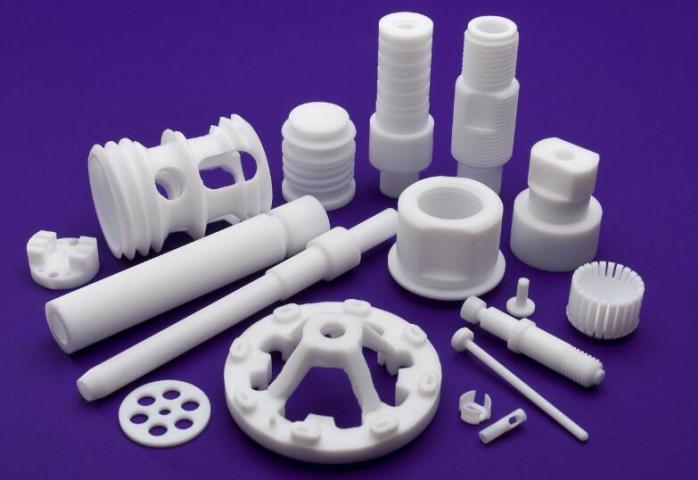
Polytetrafluoroethylene (PTFE) is widely
used in electrical equipment, chemical processing, industrial machinery, and
other applications that require strong resistance to heat, chemicals, and
friction.
During the second quarter of 2026,
geopolitical uncertainty in the Middle East affected international trade flows
and weakened buying interest in several importing regions.
As conditions gradually improved toward
the end of the quarter, energy markets became more stable and shipping
activities started returning to normal.
However, buyers continued to purchase
according to their immediate requirements, preventing a strong recovery in
market prices.
👉👉👉Please submit your query to get PTFE Price Trend, forecast and market
price analysis: https://www.price-watch.ai/book-a-demo/
Global PTFE Price Trends in Q2 2026
The global PTFE market experienced a
relatively quiet quarter compared with the sharp price movements seen in some
other petrochemical markets. Although geopolitical developments created
uncertainty during the early part of Q2, their impact on PTFE trading was
mainly visible through changes in export orders, purchasing decisions, and
international logistics.
During the first part of the quarter,
tensions in the Middle East affected market confidence. Importers became more
careful about placing new orders because they were uncertain about shipping
conditions, transportation costs, and the direction of global energy prices.
Some buyers delayed purchases, while others focused on maintaining sufficient
inventory rather than building additional stock.
This cautious approach reduced export
order volumes and limited opportunities for suppliers to increase their selling
prices. Even when buyers needed PTFE for regular production, they generally
preferred to purchase smaller quantities based on their immediate requirements.
As geopolitical conditions improved
toward the end of Q2, international trade gradually became more balanced.
Energy markets showed greater stability, and shipping activities began to
normalize. These developments helped reduce uncertainty for exporters and
importers.
However, better trading conditions did
not automatically lead to stronger PTFE demand. Consumption from the
electrical, industrial, and chemical processing sectors remained moderate. As a
result, suppliers faced limited opportunities to raise prices, while buyers
continued to focus on competitive offers and inventory management.
Overall, the global PTFE market remained
balanced, with adequate material availability and cautious demand keeping
prices under pressure.
PTFE Price Chart: Understanding the
Market Movement
The PTFE Price Chart for Q2 2026
showed a generally stable global market, although regional prices moved
downward compared with Q1. The main reason for this difference was the
combination of weaker export demand, competitive import offers, and cautious
purchasing activity.
Price charts are useful for
understanding how a material's market value changes over time. For PTFE buyers,
reviewing quarterly and monthly price movements can help identify whether
market conditions are becoming stronger, weaker, or more stable.
In Q2 2026, the market did not
experience a major demand-driven price increase. Instead, suppliers adjusted
their offers to reflect the purchasing behaviour of customers and the
availability of competing material.
The Indian export market recorded a
quarterly decline of 5.69%. Germany experienced a larger decline of 6.23%,
while the US market recorded a decrease of 4.14%. These movements indicate that
lower export prices and subdued import demand influenced PTFE values across
different regions.
June brought further stability to the
Indian market, while Germany and the USA experienced additional monthly price
declines. This suggests that the improvement in international trading
conditions was not enough to create an immediate recovery in downstream demand.
For businesses that purchase PTFE
regularly, comparing quarterly averages with monthly changes can provide a
clearer picture than looking at a single market quotation. It can also help
purchasing teams understand whether a lower price represents a temporary market
adjustment or a more sustained change in demand.
PTFE Price Index: Supply and Demand
Conditions
The PTFE Price Index remained
broadly stable at the global level during Q2 2026, supported by balanced supply
conditions, adequate inventories, and relatively steady export market
fundamentals. However, regional benchmarks recorded declines, reflecting
differences in import costs, currency movements, and local purchasing
conditions.
An index helps businesses follow price
movements over time and compare market performance across different periods.
For PTFE, these comparisons are particularly useful because international trade
conditions can influence prices even when demand from end-use industries
changes only gradually.
During the quarter, sufficient material
availability limited the need for buyers to compete aggressively for supply. At
the same time, weaker export demand encouraged suppliers to remain competitive
when negotiating new orders.
This balance between supply and demand
prevented major price swings. It also meant that the market did not experience
a strong upward movement when geopolitical uncertainty began to ease.
The price index should therefore be
viewed alongside regional market quotations, import costs, freight conditions,
and changes in industrial consumption. A stable global index does not
necessarily mean that every country will experience identical price movements.
For buyers and procurement teams,
following these factors together can help provide a more complete understanding
of the PTFE market.
India PTFE Price Trend: FOB Nhava Sheva
In India, the PTFE Price Trend declined
by 5.69% in Q2 2026 compared with Q1 2026. The assessment covered export
prices on an FOB Nhava Sheva basis for fine powder emulsion grade PTFE.
The decline was mainly associated with
weaker overseas demand and cautious purchasing from key importing markets.
During the early part of the quarter, geopolitical uncertainty affected
international trade flows and reduced the volume of new export orders. This
created a more competitive selling environment for suppliers.
When export customers reduce their order
volumes, sellers may find it difficult to maintain earlier price levels. They
may need to offer more competitive quotations to secure business, particularly
when buyers have enough inventory to delay fresh purchases.
These conditions contributed to the
downward movement in Indian export prices during Q2.
Demand from the electrical, industrial,
and chemical processing sectors also remained moderate. Although PTFE continues
to serve important industrial applications, demand for the material depends on
production activity, maintenance requirements, equipment manufacturing, and
purchasing budgets. When customers remain cautious about their own business
outlook, their material procurement can also slow.
In June 2026, PTFE Prices
in India remained stable. Improving geopolitical conditions supported a more
balanced trading environment, while adequate inventories and steady export
demand helped suppliers maintain their existing offers.
However, the stable June market did not
indicate a strong recovery. Downstream consumption remained subdued, and buyers
continued to purchase mainly according to their immediate needs.
For Indian exporters, the next stage of
price movement will depend on the strength of overseas orders, the
competitiveness of export quotations, and the consistency of demand from
industrial customers.
Germany PTFE Price Trend: CIF Hamburg
Germany recorded a 6.23% decline in
PTFE prices during Q2 2026 compared with Q1 2026. The assessment covered
imported fine powder emulsion grade PTFE on a CIF Hamburg basis, with India
identified as the country of origin.
The decrease was largely connected to
lower FOB India prices and subdued import demand. When the export price of
material falls, importers may be able to secure new shipments at lower landed
costs, provided that freight, insurance, and currency movements do not offset
the reduction.
During the early part of Q2,
geopolitical uncertainty made purchasing decisions more difficult. Importers
remained cautious about international shipments, while demand from electrical
equipment manufacturers, industrial users, and chemical processing businesses
showed limited improvement.
Under these conditions, buyers had
little reason to increase their inventories significantly. Many continued to
focus on immediate production requirements and compared offers before placing
new orders.
Lower import replacement costs also
contributed to the downward pressure on German prices. Replacement cost refers
to the amount a buyer would need to pay to obtain new material under current
market conditions. When this cost decreases, buyers may become less willing to
accept higher quotations for existing or upcoming purchases.
In June 2026, PTFE Prices in Germany
declined by a further 1.59%. Favourable currency movements and lower
landed costs encouraged importers to secure material at reduced price levels.
At the same time, adequate product availability and moderate downstream demand
continued to weigh on CIF quotations.
The German market therefore remained
under pressure despite the improvement in international trading conditions. A
stronger recovery would likely require more consistent purchasing activity from
industrial customers and a clearer improvement in import demand.
USA PTFE Price Trend: CIF Houston
In the United States, the PTFE Price
Trend declined by 4.14% in Q2 2026 compared with Q1 2026. The assessment
covered imported fine powder emulsion grade PTFE on a CIF Houston basis, with
India identified as the origin.
The decline reflected lower FOB India
prices and subdued import demand. As international export offers became more
competitive, US buyers benefited from lower replacement costs, although the
final landed price also depended on freight, insurance, and currency
conditions.
During the early part of the quarter,
geopolitical uncertainty affected international trade sentiment. Buyers became
more careful about their purchasing decisions, particularly when demand from
end-use industries did not show enough improvement to justify larger inventory
commitments.
PTFE is used in applications that
require chemical resistance, thermal stability, and reliable performance under
demanding operating conditions. However, demand for the material does not
always increase simply because industrial applications remain important.
Purchasing activity also depends on production schedules, inventory levels,
maintenance requirements, and broader business confidence.
During Q2, moderate demand from
electrical, industrial, and chemical processing sectors limited opportunities
for a price recovery in the US market. Balanced supply and sufficient
inventories also reduced the urgency for buyers to secure additional material.
In June 2026, PTFE Prices in the USA
declined by a further 2.14%. Lower import replacement costs and adequate
inventories continued to influence market sentiment. Buyers remained cautious,
while steady cargo availability encouraged suppliers to maintain competitive
CIF offers.
The US market therefore experienced a
gradual downward adjustment rather than a sharp price movement. Future changes
will depend on the direction of import costs, inventory requirements, and
demand from industrial customers.
Factors Influencing PTFE Prices in Q2
2026
Several factors influenced PTFE prices
during the second quarter. Understanding these factors can help businesses make
more informed procurement decisions.
1. Geopolitical Uncertainty
Developments in the Middle East created
uncertainty around international trade during the early part of the quarter.
Concerns about shipping routes, energy markets, and transportation conditions
affected buyer confidence.
Although these developments did not lead
to a sustained global PTFE price increase, they influenced purchasing decisions
and export order volumes.
2. International Shipping and Freight
Costs
PTFE traded across international markets
is affected by freight, insurance, and other transportation expenses. Changes
in shipping conditions can influence the landed cost paid by importers.
As logistics gradually normalized toward
the end of Q2, trading conditions became more balanced. However, lower export
prices and cautious demand remained important influences on regional
quotations.
3. Downstream Industrial Demand
Demand from electrical equipment,
chemical processing, and general industrial applications remained moderate
during the quarter. This limited the ability of suppliers to increase prices.
When downstream customers purchase only
what they immediately need, suppliers face greater competition for orders and
have less room to raise quotations.
4. Inventory Availability
Adequate inventories helped prevent
supply shortages from becoming a major price driver. Buyers with sufficient
stock could delay purchases or compare competing offers before committing to
new orders.
This behaviour contributed to the
relatively stable global market and the downward movement in several regional
benchmarks.
5. Currency and Import Replacement Costs
Currency movements can influence the
cost of imported PTFE, particularly when buyers purchase material from overseas
suppliers. In Germany, favourable currency movements and lower landed costs
contributed to the additional price decline recorded in June.
Importers should therefore evaluate the
complete landed cost rather than relying only on the quoted export price.
PTFE Price Forecast: What to Expect
After Q2 2026
The PTFE price forecast following Q2
2026 will depend on the balance between international supply, downstream
demand, freight conditions, and geopolitical developments. The second-quarter
data alone does not establish a definite direction for the following months,
but it provides useful indications of the factors likely to influence the
market.
If international logistics remain stable
and inventories continue to be adequate, PTFE prices may remain under pressure
when buyers maintain cautious purchasing strategies. Suppliers may need to keep
their offers competitive to secure export orders, particularly in markets where
import demand remains moderate.
On the other hand, stronger demand from
electrical equipment manufacturers, chemical processing plants, and industrial
users could support a gradual improvement in prices. An increase in export
orders or a change in supply availability could also alter the market balance.
Buyers should pay close attention to
monthly quotations, changes in freight and insurance costs, currency movements,
and inventory levels. Comparing the Indian FOB market with the German and US
CIF markets can also help importers understand how export prices translate into
regional landed costs.
For procurement teams, a flexible
purchasing strategy may be more suitable than committing to large volumes based
on expectations of an immediate price recovery. Regular market monitoring and
supplier discussions can help businesses respond more effectively as conditions
change.
Conclusion
The PTFE Price Trend in Q2 2026
reflected a market shaped by geopolitical uncertainty, cautious purchasing, and
balanced supply conditions. Prices declined by 5.69% in India, 6.23% in
Germany, and 4.14% in the USA compared with Q1 2026. In June, Indian prices
remained stable, while Germany and the USA recorded additional declines of
1.59% and 2.14%, respectively.
The broader market remained relatively
balanced as adequate inventories and moderate demand limited major price
movements. Although improving geopolitical conditions and more stable logistics
supported trading activity toward the end of the quarter, they did not create
an immediate recovery in downstream consumption.
Looking ahead, PTFE market performance
will depend on the strength of export demand, regional import costs, currency
movements, and industrial purchasing activity. Businesses that monitor the PTFE
Price Chart and PTFE Price Index alongside actual market quotations will be
better positioned to understand price changes and plan their procurement
requirements.
Overall, Q2 2026 highlighted the
importance of tracking both global market conditions and regional price
movements when evaluating PTFE purchasing decisions.
👉👉👉Please submit your query to get PTFE Price Trend, forecast and market
price analysis: https://www.price-watch.ai/book-a-demo/
About
Price Watch™
Price Watch™ is an independent raw material price reporting
agency that provides real-time price forecasts and data-driven insights into
global raw material markets. Price Watch™ specializes in tracking raw material prices,
analyzing market trends. and delivering timely updates on plant shutdowns,
supply disruptions, capacity expansions, and demand-supply dynamics. The Price Watch™
platform empowers manufacturers, traders, and procurement professionals to make
faster, smarter decisions. Leveraging AI-powered forecasting and over a decade
of historical data, Price Watch™ transforms market volatility into actionable
opportunity.
Futura Tech
Park,
C Block,
8th floor 334,
Old
Mahabalipuram Road,
Sholinganallur,
Chennai,
Tamil Nadu,
Pincode - 600119.
LinkedIn:
https://www.linkedin.com/company/price-watch-ai/
Facebook:
https://www.facebook.com/people/Price-Watch/61568490385598/
Twitter: https://x.com/pricewatchai
Website: https://www.price-watch.ai/