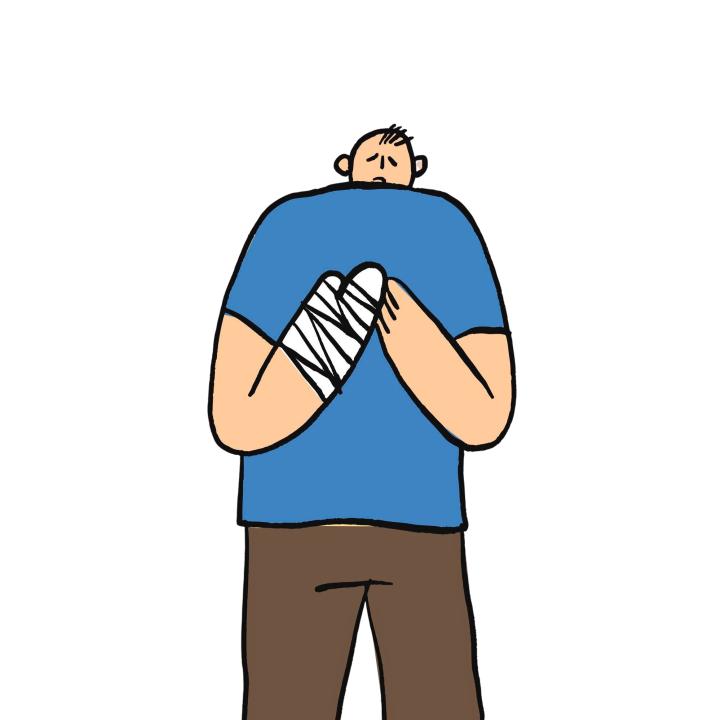
Workplace injuries have always been a problem in all sectors and are experienced by workers, employers, and even small and big companies in the business world. While safety measures and training are essential in preventing workplace injuries, accidents keep happening due to various reasons. Identifying the causes of these accidents helps organizations come up with preventive measures, ensuring a safer work environment for the workers.
High-Risk Jobs and Hazardous Tasks
Construction workers, miners, factory workers, farm workers, and firefighters may encounter very dangerous conditions that require them to be extra careful and wear safety gear. Injuries may occur due to the use of heavy equipment, working at heights, electricity, and dangerous substances. Even the best expert can harm their own body while performing difficult tasks. Long working hours, prolonged standing, and carrying heavy loads may create health issues that relate to the musculoskeletal system. Business owners from high-risk industries must be aware of those occupational hazards and create relevant protection. Training programs, equipment testing, safety apparel, and proper procedures will decrease the chance of getting exposed to dangerous elements.
Workplace Accidents and Human Error
Workplace accidents normally happen due to human error, unpreparedness, and unexpected circumstances. Some of the most common workplace accidents include slipping, tripping, falling, objects falling on workers, machinery failures, and vehicle accidents. There are times when workers do not adhere to safety rules simply because they are distracted, tired, or stressed about their work. There are instances wherein there is not much supervision and communication by the management, which allows dangerous actions to go unnoticed. When there is an accident, it is important to record the event to know exactly what happened to prevent any future occurrences of the same kind. Medical documentation becomes an important aspect in determining the type of injury sustained, its relationship to the accident, and the treatment required.
Unsafe Working Conditions
Hazards like slippery floors, obstructed passages, faulty wiring, lack of proper lighting, faulty machinery, and improper supply storage can make employees vulnerable. At times, such hazards may persist due to the preference for efficiency over maintenance on the part of the company or due to the complaints by workers being ignored. Risk assessment, maintenance, planning of emergency procedures, and use of safety gear are some of the essential elements of a safe working environment. In case of negligence by the company, workers may need to resort to legal help. Workers seeking independent assessments can use a specialized platform to contact a medical expert and get a comprehensive medicolegal report that helps clarify the injury, its impact, and relevant medical findings. Appropriate evidence can support informed decisions when exploring available legal options.
Inadequate Training and Safety Awareness
It is essential that employees undergo adequate training enabling them to detect and mitigate any occupational risks that may occur in the workplace. The inadequacy of information in orientation programs, out-of-date training methods employed, confusing operational manuals, and inadequate supervision can cause employees to be ignorant of potential risks associated with their work. This challenge affects new employees who are required to operate intricate machinery and handle dangerous substances but lack the appropriate experience. There are other challenges posed by communication barriers and inadequate training. Workplace training should introduce not only emergency procedures but also proper ways of working with equipment, types of risks possible, and reporting methods.
Fatigue, Stress, and Excessive Workloads
Long working hours, poor working environment, no breaks from work, and high levels of stress can have a negative influence on concentration and motor skills of employees. Stressed employees are likely to delay their reactions to danger signals, overlook some signals, and make errors operating machinery or doing repetitive tasks due to too many tasks. In addition to this, the workload can force workers to opt for shortcuts due to stress since they have to accomplish tasks within too short a deadline. Moreover, chronic physical and mental stress can cause insomnia, reduced vigilance, and ill health. Nevertheless, management can avoid stress in the workplace by ensuring reasonable scheduling, adequate staffing, rest periods, and avoiding overworking.
In summary, workplace accidents hardly happen due to one reason alone. Identifying the different hazards that are present in a work environment and ensuring that there is proper safety will make the workplace better for everyone and promote healthy relationships in the workplace.