Working with hard or uneven soil can make it difficult to manage and implement depth while regulating draft load during plowing and tillage. A plow that digs too deep increases the tractor's pulling load, while one that rides too high may leave the soil poorly prepared. Tractor draft control helps manage these changes by automatically adjusting the implement according to the resistance it encounters.
Without this feature, operators may need to make frequent adjustments when working across areas with different soil conditions. Draft control reduces this need for intervention by regulating the implement through the tractor's hydraulic system.
This helps farmers maintain an appropriate working depth while reducing unnecessary strain on the tractor. Understanding how draft control works, its different types, and where it is useful can help operators make better use of their equipment.
What Is Tractor Draft Control?
Tractor draft control is a feature that automatically adjusts an attached implement based on the pulling force required to move it through the soil. When a tractor operates equipment such as a plow or cultivator, the resistance changes depending on soil hardness, compaction, and moisture.
For example, a plow may move easily through loose soil but encounter greater resistance in a compacted section of the field. Draft control detects this increase in pulling force and adjusts the implement's position to prevent excessive loading.
Unlike manual depth adjustments, the system responds while the tractor is moving. This makes it easier to work across fields where soil conditions are not uniform.
Why Is Draft Control Important in Farming?
Changes in soil resistance can affect tractor traction, operating speed, and overall tillage performance. When an implement encounters compacted ground, the tractor requires more pulling force to maintain its movement. If the load becomes excessive, the wheels may slip, reducing field efficiency and placing additional stress on mechanical components.
When an implement penetrates too deeply into resistant soil, the tractor may struggle to maintain its speed. This can increase wheel slip, place additional stress on mechanical components, and lead to higher fuel consumption.
Excessive draft loads can reduce tractor traction and make it difficult to maintain a steady working speed. In compacted soil, an implement that continues to penetrate deeply may cause unnecessary wheel slip and increase the load on the drivetrain. Managing these variations is important for maintaining productive tillage operations and avoiding unnecessary stress on tractor components.
By managing excessive draft loads, the system helps the tractor maintain more stable operating conditions during tillage. This is useful when working with heavy soil-engaging implements across fields with varying levels of compaction.
How Does Tractor Draft Control Work?
A tractor draft control system uses a sensing mechanism to detect changes in the pulling force between the tractor and the attached implement. Based on this input, the hydraulic system adjusts the implement's position.
The process generally follows these steps:
- Sensing soil resistance: As the implement moves through the ground, the sensing mechanism detects changes in the pulling force.
- Transferring the input: Mechanical linkages or electronic sensors communicate the change to the control mechanism, depending on the tractor design.
- Activating the hydraulics: When resistance increases, the control system signals the hydraulic lift to respond.
- Adjusting implement position: The hydraulic system raises the implement slightly, reducing its penetration and the pulling load.
- Restoring working depth: When soil resistance decreases, the sensing mechanism responds to the lower draft load, allowing the hydraulic system to lower the implement again. This helps maintain the selected draft setting, although the actual working depth may vary depending on soil conditions.
Once the system is set correctly, the operator does not need to keep adjusting the hydraulic controls every time the implement encounters harder or softer ground.
Consider a plow moving from loose soil into a compacted patch. The increased resistance triggers the draft-sensing mechanism, allowing the hydraulic hitch to raise the implement slightly and reduce the pulling load.
Depending on the tractor design, draft resistance may be detected through the top link or lower links of the three-point hitch. In mechanical systems, spring-loaded components respond to changes in linkage force and transfer the movement to the hydraulic control valve. Some newer tractors use electronic load sensors to measure these forces and send signals to an electronic control unit.
Key Components of a Tractor Draft Control System
Several components work together to detect changes in pulling force and adjust the attached implement.
- Draft sensing mechanism: Detects variations in implement resistance through mechanical linkages, springs, or electronic sensors.
- Three-point hitch: Connects the implement to the tractor and transfers the forces generated during fieldwork.
- Control lever: Allows the operator to select the required draft setting.
- Hydraulic lift system: Raises or lowers the implement in response to the control mechanism.
- Connecting linkage: Transfers movement from the sensing mechanism to the hydraulic controls in mechanically operated systems.
The arrangement may differ between tractor models, but each component contributes to the system's ability to respond to changing loads. Proper adjustment and calibration are important for reliable operation.
Different Types of Tractor Draft Control Systems
Tractors generally use two types of draft control systems: mechanical and electronic. Both perform the same basic function, but they differ in how they detect and respond to changes in implement resistance.
Mechanical draft control uses physical components such as levers, springs, and linkages to sense changes in pulling force. When the implement encounters greater resistance, the mechanism transfers this movement to the hydraulic controls, which adjust their position. Its relatively straightforward design makes it common in conventional tractors.
Electronic draft control uses sensors to measure implement loads and send information to an electronic control unit. The unit processes these signals and operates the hydraulic system to make the necessary adjustments. Depending on the tractor model, electronic systems may provide more precise control and additional adjustment options.
The main difference is the sensing and control mechanism. Mechanical systems rely on physical movement, while electronic systems use sensor inputs and electronic processing to regulate implement position.
Practical Applications of Draft Control in Agricultural Operations
Draft control is particularly useful when operating equipment that engages with the soil. It helps manage changing resistance during several common agricultural activities.
- Cultivation: Cultivators often encounter different soil textures and levels of compaction within the same field. Draft control helps manage these variations and maintain smoother operation.
- Plowing: When a plow enters compacted soil, the increased resistance can make it challenging for the tractor to maintain its normal pulling speed. The system raises the plow slightly to reduce the load and allows it to return toward the selected working depth when resistance decreases.
- Seedbed preparation: During certain soil preparation tasks, draft control helps regulate implement engagement when ground conditions vary, making it easier to maintain suitable operating conditions.
For farmers comparing agricultural tractor equipment, draft control is a useful parameter to consider when choosing a tractor for regular tillage work. Engine power, hydraulic capacity, hitch strength, and implement compatibility should also be evaluated before making a purchase.
Benefits of Using Tractor Draft Control
A properly functioning draft control system can make routine tillage work easier to manage. Its main benefits include:
- More manageable implement loading: Helps regulate the pulling force during tillage.
- Reduced wheel slip: Limits excessive draft loads that can affect tractor traction.
- Lower risk of overloading: Helps prevent unnecessary strain on the tractor and attached implement.
- Less manual adjustment: Reduces the need for repeated hydraulic corrections.
- Improved tillage management: Helps operators work across varying soil conditions.
These advantages are particularly relevant to farms that regularly use plows, cultivators, and other soil-engaging equipment.
Draft Control vs. Position Control: What’s the Difference?
Draft control and position control both operate through the tractor's hydraulic system, but they serve different purposes.
Draft control adjusts the implement according to changes in soil resistance. When the pulling force increases, the system raises the implement slightly to reduce the load. This makes it suitable for plowing, cultivation, and similar operations.
Position control, on the other hand, allows the operator to select and maintain a particular implement height. It does not automatically adjust the working depth in response to changes in soil resistance.
For example, a farmer may use draft control while plowing a field with varying soil conditions. Position control is more suitable when keeping an implement at a fixed height, such as during transportation or when operating equipment that requires a specific position.
Many modern tractors offer both settings, allowing operators to choose the proper mode depending on the task.
Common Draft Control Problems and Maintenance Considerations
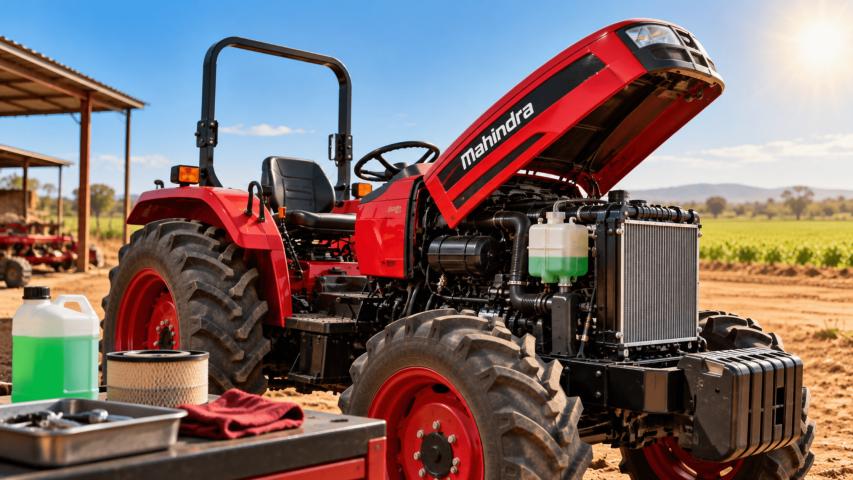
Draft control problems can affect how accurately a tractor responds to changing implement loads. Common causes include incorrect settings, worn sensing linkages, contaminated hydraulic oil, and poor hydraulic performance.
Operators should investigate if the implement moves unexpectedly, fails to maintain the selected working conditions, or does not respond properly when soil resistance increases.
A few routine checks can help keep the system in good working condition:
- Inspect hitch connections for looseness, wear, or damage.
- Check hydraulic oil levels and maintain the recommended oil quality.
- Examine sensing linkages and connecting components for signs of wear.
- Service hydraulic filters according to the manufacturer's maintenance schedule.
- Check the draft control settings and calibration if implementation movement becomes inconsistent.
If these checks do not resolve the problem, a qualified technician should inspect the sensing mechanism and hydraulic controls.
Why Tractor Draft Control Matters for Efficient Farming
Draft control is an important feature for tractors regularly used in plowing, cultivation, and other soil-engaging operations. It helps operators manage changing field resistance without making constant hydraulic adjustments. However, the system should be selected according to the implements used, soil conditions, and the tractor's hydraulic and hitch capabilities.
Farmers comparing tractors should also check how easily the draft settings can be adjusted and maintained. Choosing suitable agricultural equipment can help ensure the tractor meets their everyday fieldwork requirements.